MOSUL, Iraq – In a violent four-hour siege that ended one of the most intensive manhunts of the Iraq War, the sons of Saddam Hussein were killed by U.S. forces after a ferocious last stand in a Mosul safe house. The operation, culminating on July 22, 2003, marked a decisive and symbolic blow to the fallen regime.
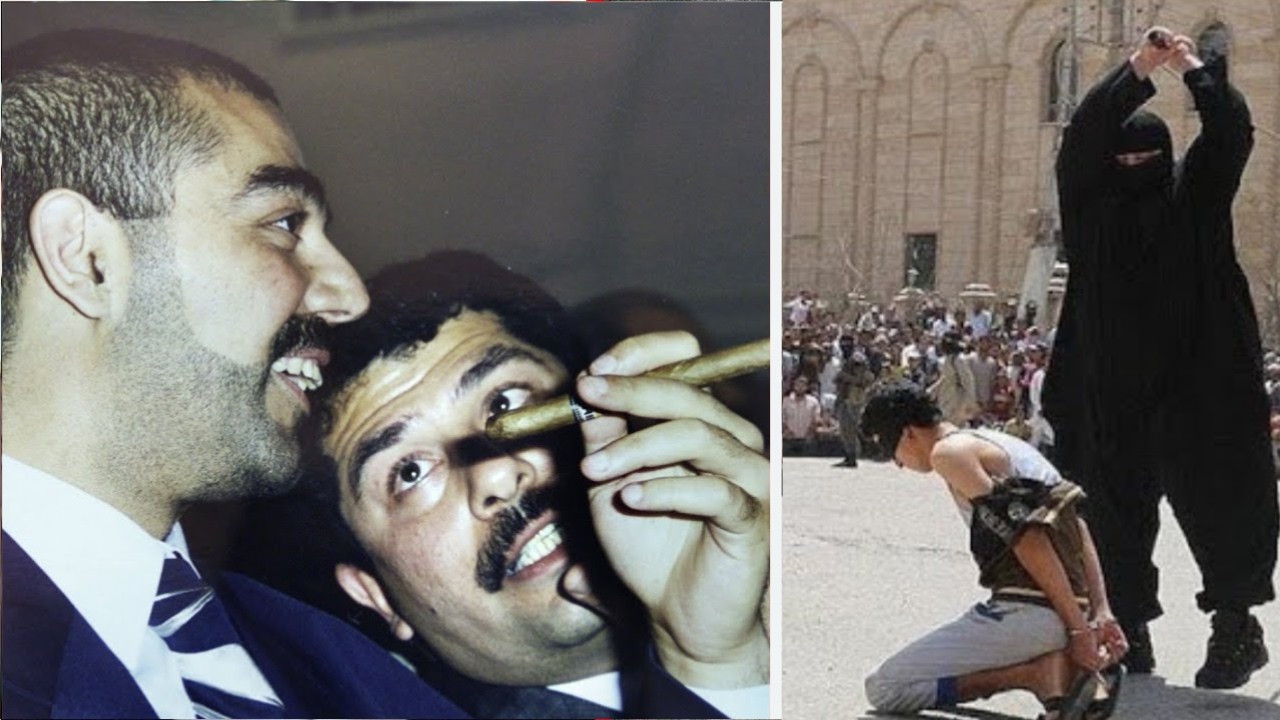 The dramatic firefight followed months of chaos after the U.S.-led invasion toppled Saddam’s government. As Baghdad fell in April, the dictator and his inner circle vanished, igniting a massive search. Uday and Qusay Hussein, among the regime’s most feared figures, became top-priority targets.
A psychological campaign using a “deck of cards” for the 55 most wanted regime officials publicly identified the brothers. Uday was the ace of hearts; Qusay, the ace of clubs. This effort, combined with multi-million-dollar rewards, ultimately cracked their clandestine network.
Critical intelligence came from a Mosul informant, Nawaf al-Zeidan, who provided the precise location of a family-owned villa. The tip, reportedly earning a $30 million reward, led elements of the 101st Airborne Division and special operations forces to quietly surround the property.
Inside were Uday, 39; Qusay, 37; Qusay’s 14-year-old son, Mustafa; and a bodyguard, Abdul Samad. U.S. troops, aware the brothers were heavily armed and likely to resist, first called for surrender via loudspeakers. Their demands were met only with silence.

The initial breach attempt triggered immediate, disciplined gunfire from within. The defenders, using the house’s structure for cover, turned the operation into a protracted urban battle. U.S. forces, facing determined resistance, pulled back to reassess their strategy.
The confrontation escalated rapidly into a full-scale siege. Soldiers deployed heavy machine guns, rockets, and anti-tank weapons. An AH-64 Apache helicopter was called in, strafing the building to degrade its structural integrity and suppress the occupants.
For hours, the brothers fought from the crumbling villa. Qusay, the former head of Iraq’s elite Republican Guard, directed the defense. Uday, despite lasting injuries from a 1996 assassination attempt, fought aggressively. Even young Mustafa reportedly took up a weapon.

As the structure collapsed around them, U.S. forces made a final surrender appeal. It was again refused. Commanders, concluding the standoff could not continue, ordered an overwhelming final assault to neutralize the threat.
A concentrated barrage of fire tore through the villa. When U.S. troops finally entered the shattered building, all four occupants were dead. The scene was one of utter devastation, with rooms reduced to rubble and debris.
Confirming the identities was paramount in a climate rife with rumor. Forensic teams used dental records and distinctive physical marks, including Uday’s old wounds, for verification. The U.S. military subsequently released graphic post-mortem photographs to provide incontrovertible proof.

The deaths sent shockwaves through Iraq. For many citizens, it brought visceral relief from two figures synonymous with brutality. Uday’s control of media and sports organizations was enforced through terror, while Qusay commanded the security apparatus that crushed dissent.
Yet the tactical victory did not bring stability. Instead, it accelerated Iraq’s descent into a complex insurgency. The power vacuum left by the regime’s collapse unleashed sectarian violence and armed factions, beginning a new, bloodier chapter in the conflict.
The event also isolated Saddam Hussein further. Stripped of his key lieutenants and heirs, his world shrunk to a series of hiding spots. He was captured five months later near Tikrit, found in a cramped “spider hole”—a stark contrast to his sons’ violent end.
The Mosul siege remains a defining moment, symbolizing both the decisive force of the invasion and the brutal, unresolved conflict it unleashed. The brothers’ final hours closed a manhunt but opened a prolonged struggle for Iraq’s future, demonstrating that removing a regime was only the beginning.
