On a warm July morning in 1915, as artillery rumbled in the distance, a 17-year-old boy was tied to a wooden stake and blindfolded before a British Army firing squad. Private Herbert Burden, who had lied about his age to enlist, was executed for desertion, becoming the youngest soldier shot by the British military in the Great War. His story is not unique, but a stark symbol of a brutal military justice system that condemned over 300 men, many of them terrified teenagers, to death by their own comrades.
 The dawn execution of Private Burden exposes a harrowing chapter of World War I, where extreme discipline collided with the psychological hell of trench warfare. These executions, carried out at first light as a grim warning to entire regiments, targeted soldiers for crimes including desertion, cowardice, and disobeying orders. Behind the charges, however, lay a more complex reality of underage volunteers, undiagnosed trauma, and a military command structure clinging to Victorian-era notions of absolute obedience.
At the war’s outbreak in 1914, official regulations required soldiers to be 19 to serve overseas, but a fervent patriotic rush saw those rules widely ignored. Recruitment officers, under pressure to fill the ranks, often turned a blind eye as thousands of boys as young as 15 or 16 falsified their ages. They arrived on the Western Front ill-prepared for the unprecedented horror that awaited them: constant shelling, squalid trenches, rampant disease, and the visceral sight of mass casualties among their friends.
The British Army of the time maintained a draconian disciplinary code, believing that the immense pressure of industrial warfare required absolute, unflinching obedience. The fear was that any sign of weakness or dissent could spread, causing a catastrophic collapse of morale and order. Consequently, field general courts-martial could impose the death penalty for a range of offenses, with the sentence requiring confirmation by senior commanders.
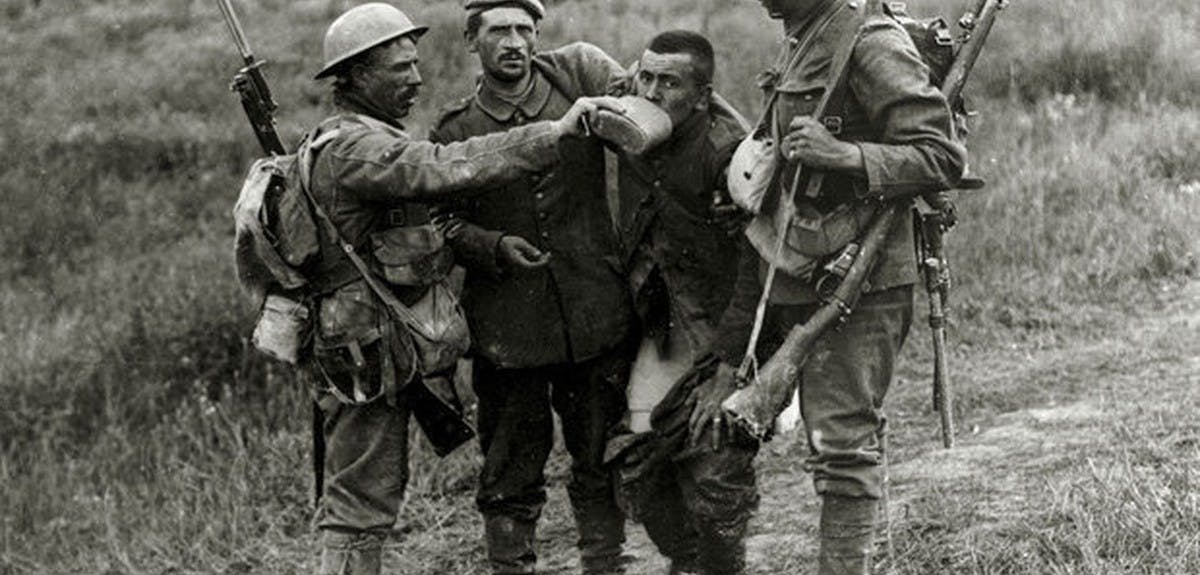
Of the approximately 3,000 death sentences passed between 1914 and 1918, the majority were commuted to imprisonment. Yet 306 British and Commonwealth soldiers were ultimately executed. A significant proportion were very young men, some still in their teens, who broke under conditions that modern medicine would recognize as severe post-traumatic stress disorder. At the time, symptoms of “shell shock”—paralysis, tremors, panic—were frequently misinterpreted as cowardice or malingering.
The choice of dawn for these executions was both practical and deeply symbolic. Conducted at the start of the military day, they served as a stark, collective lesson in discipline. Often, the condemned man’s own unit was compelled to provide the firing squad, a traumatic act intended to reinforce that the soldier had betrayed his immediate comrades. The procedure was clinical and swift, leaving a lasting scar on all who witnessed it.
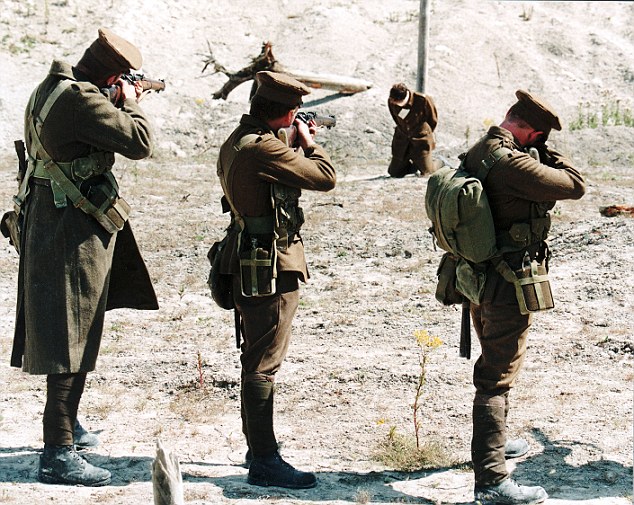
Private Herbert Burden’s case remains one of the most poignant. He enlisted with the Northumberland Fusiliers at just 16, his army records noting a “fresh” complexion, hazel eyes, and two tattoos. A year later, suffering from severe stress, he fled his post. Despite his evident youth and trauma, his plea was not heeded. His court-martial, like many others, was a rapid process where the accused often had no proper legal defense and psychological distress was not considered a mitigating factor.
For decades after the armistice, families of the executed campaigned for justice, arguing their relatives were victims of a flawed and unforgiving system. Historical research later supported their claims, revealing cursory trials, the systemic ignorance of mental trauma, and the tragic irony of underage boys being treated as seasoned military adults. The moral weight of these cases grew steadily in the public conscience.

A long-awaited measure of reconciliation finally came in 2006. Under the Armed Forces Act, the British government issued a collective, posthumous pardon to all 306 soldiers executed for military offenses in World War I. The pardon acknowledged that many were suffering from severe shell shock, were unlawfully underage, and were victims of the war’s horrific circumstances as much as they were offenders against its strict code.
Today, these men are commemorated across Britain, most powerfully at the National Memorial Arboretum in Staffordshire. There, the “Shot at Dawn” memorial features a statue of a blindfolded young soldier, bound to a stake, surrounded by 306 wooden posts, each bearing the name of an executed man. Walking among them, visitors confront the sobering truth that many of these posts represent teenagers who volunteered for a war they could scarcely comprehend.
The dawn executions of World War I stand as a profound tragedy within the greater catastrophe of the conflict. They represent a fatal failure to distinguish between criminal desertion and psychological collapse, between cowardice and the breaking point of the human spirit. While the official pardon cannot undo history, it has ensured that these soldiers, once shamed and buried in unmarked graves, are now remembered not as criminals, but as tragic casualties of a brutal and unforgiving war.
