Empress Elisabeth, known as Sisi, is often romanticized as a loving mother, but the tragic fate of her four children reveals a starkly different reality. Behind her beauty and charm lies a story of neglect, mental turmoil, and devastating loss that shaped her family in unimaginable ways.
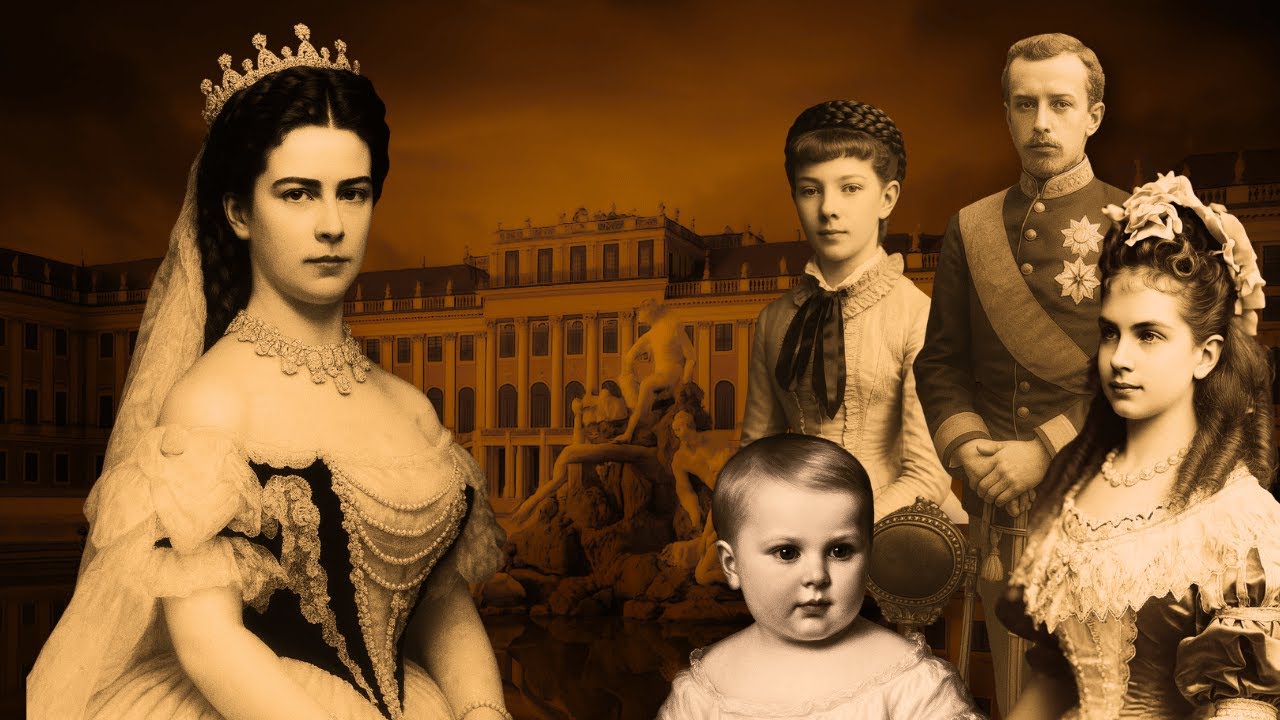
Recent revelations about Sisi’s life expose the cracks in her seemingly perfect facade. While she captivated the hearts of many, her children suffered under the weight of her self-obsession and emotional distance. The tragic tales of her offspring, particularly her daughters and son Rudolf, highlight the consequences of her relentless pursuit of beauty and freedom.

Sisi’s marriage to Emperor Franz Joseph began with high expectations, but her struggles with court life led to profound unhappiness. The pressure mounted as she became a mother, facing fierce opposition from her mother-in-law, Archduchess Sophie. The birth of her first child, Sophie, was marred by harsh judgments and an overwhelming feeling of inadequacy.
The ill-fated trip to Hungary in 1857 marked a turning point. Despite warnings, Sisi insisted on bringing her sick daughters, resulting in tragedy when two-year-old Sophie succumbed to illness. This devastating loss plunged Sisi into a deep depression, yet the court demanded she quickly produce a male heir to secure the dynasty.
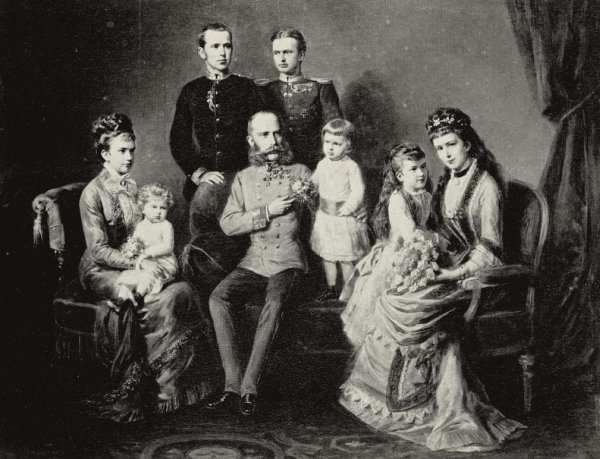
Rudolf’s birth briefly alleviated the pressure, but Sisi’s health deteriorated, prompting her to escape the confines of the court. Her prolonged absence left her children feeling abandoned, and the emotional scars ran deep. When she returned, her children barely recognized her, leading to heartbreaking moments of rejection.
Rudolf’s upbringing was fraught with challenges as he faced a harsh military education designed to mold him into a strong leader. Sisi fought against the brutal methods of his tutor, but her interventions were short-lived. Her obsession with her own health and beauty further distanced her from her children, who grew up largely without her guidance.

As time passed, Sisi’s relationship with her children became increasingly strained. Her youngest daughter, Marie Valerie, became the focus of Sisi’s affections, yet even this bond was complicated by Sisi’s neediness. The weight of maternal expectations led to emotional burdens that Marie Valerie struggled to bear.
Rudolf’s tragic end in Mayerling sent shockwaves throughout Europe. His suicide, alongside his lover, marked a devastating moment for Sisi, who would wear black for the rest of her life. The loss of her son shattered her, leaving her to grapple with the consequences of her choices.

Sisi’s assassination in 1898 concluded a life filled with contradictions. While she remains a symbol of beauty and grace, the reality of her legacy is one of sorrow and regret. The fates of her children—Gisela, sold into an arranged marriage; Rudolf, driven to despair; and Marie Valerie, crushed by maternal expectations—paint a grim picture of a woman who prioritized her own needs over her children’s well-being.
The true story of Empress Elisabeth is a cautionary tale, revealing the hidden costs of fame and beauty. The tragic fates of her children serve as a poignant reminder of the emotional toll inflicted by a mother consumed by her own struggles.
