The full scope of American military conduct during the Vietnam War has been laid bare in newly examined footage and declassified records, revealing a systematic pattern of sexual violence, abuse, and cover-ups that targeted Vietnamese women across the country. The evidence, compiled from survivor testimonies, internal military investigations, and decades of historical research, paints a harrowing picture of what happened when American soldiers entered villages from the mid-1950s through the war’s end in 1975. These were not isolated incidents but a widespread phenomenon rooted in military strategy, racial dehumanization, and a complete breakdown of accountability.
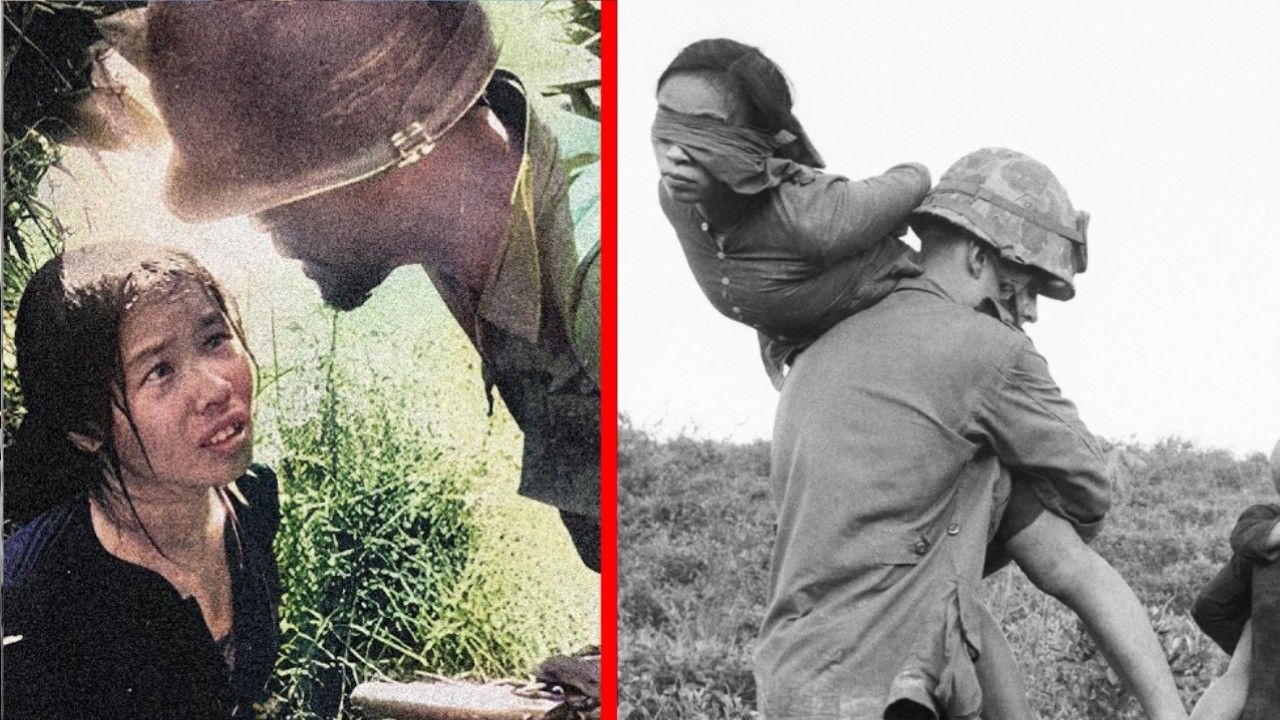 The Vietnam War did not begin as a full-scale American conflict. It started quietly in the mid-1950s, after Vietnam broke free from French colonial rule in 1954. The country was split into two parts, the North led by communists and the South backed by the United States. At first, American involvement was limited. By 1961, under President John F. Kennedy, around 3,200 US military advisers were in South Vietnam. They were not supposed to fight, but the situation on the ground was already messy. The biggest problem was that the enemy was not easy to see. The Vietcong, a guerrilla force supporting North Vietnam, did not wear uniforms. They blended into villages, farmers by day, fighters by night. For American soldiers, this created constant fear. Anyone could be the enemy, even women, even children. That fear started shaping behavior early on. Villages were no longer just homes. They were seen as hiding places for the enemy. Women were not just civilians. They were suspected of carrying messages, hiding weapons, and helping guerrillas. At this stage, large-scale atrocities had not yet exploded, but the seeds were sown.
Everything changed after the Gulf of Tonkin incident in August 1964. Within a year, the US had sent over 180,000 troops to Vietnam. By 1966, that number jumped to nearly 385,000. These were not advisers anymore. These were young men barely out of high school, dropped into a jungle they did not understand. A huge part of their mission was focused on rural areas where the Vietcong were believed to be hiding. These were not organized battlefields. These were small farming villages, places where families had lived for generations, suddenly turning into zones of suspicion. Operations like search and destroy and cordon and search became routine. Helicopters would appear without warning, sometimes early in the morning, dropping soldiers right into the middle of rice fields or village centers. Within minutes, entire communities would be surrounded. For the people living there, especially women, this created a constant state of fear. There was no warning, no time to prepare, and no clear rules about what would happen next.
Soldiers did not speak Vietnamese, and most villagers did not understand English, so everything was done through shouting, gestures, or sometimes rough handling. Families were separated quickly. Men were often pulled aside first because they were suspected of being Vietcong fighters, but women were not spared. During these operations, women were often taken aside individually. Some were interrogated on the spot. Others were moved to separate areas under guard. This is where a lot of abuse took place, away from the main group where there were no witnesses and no accountability. US military records and later investigations, including files reviewed decades later by historians, show multiple cases where women were sexually assaulted during these searches. Some of these incidents involved single soldiers acting alone, while others involved small groups who took advantage of the chaos of the operation. These were not always planned crimes. Many happened in the heat of the moment, driven by power, anger, and the feeling that no one would stop them.
Accounts from Vietnamese survivors collected years later describe how these raids would unfold. Soldiers would enter homes, search everything, and sometimes destroy property in the process. Women who tried to protect their families or resist were at even greater risk. In some cases, assaults happened inside homes with family members nearby, unable to intervene. In other cases, women were taken to nearby fields or empty areas. The lack of structure and oversight during these missions created an environment where abuse could happen quickly and then be forgotten just as fast. One of the biggest reasons this continued was the complete lack of a system for victims. Vietnamese civilians had no real way to report crimes committed by American soldiers. Even when cases were brought forward, they usually depended on US military investigations, which were rare and often incomplete. Language barriers made things worse. Many victims could not even explain what had happened in a way that investigators could understand. Even when soldiers were accused, the burden of proof was extremely high, especially in a war zone where evidence was hard to collect.
In some regions, this did not happen just once. Certain villages were targeted again and again because they were located in areas known for Vietcong activity. Each time soldiers returned, the fear grew. People started to expect violence. Women in particular had no safe place to go. Staying in the village meant risking another raid. Leaving meant losing everything they had. This created a cycle where entire communities were slowly broken down, not just physically, but emotionally. At the same time, a different kind of system was growing around American military bases in cities like Saigon, Da Nang, and Bien Hoa. As more troops arrived, the demand for rest and recreation increased, leading to a rapid expansion of prostitution. By the late 1960s, tens of thousands of Vietnamese women were involved in this economy, directly or indirectly. Some estimates suggest that by 1970 there were over 300,000 women working in or connected to the sex trade around US bases. This was not always a choice. Many of these women came from rural areas that had been destroyed by fighting. Their homes were gone, their families displaced, and they needed a way to survive.
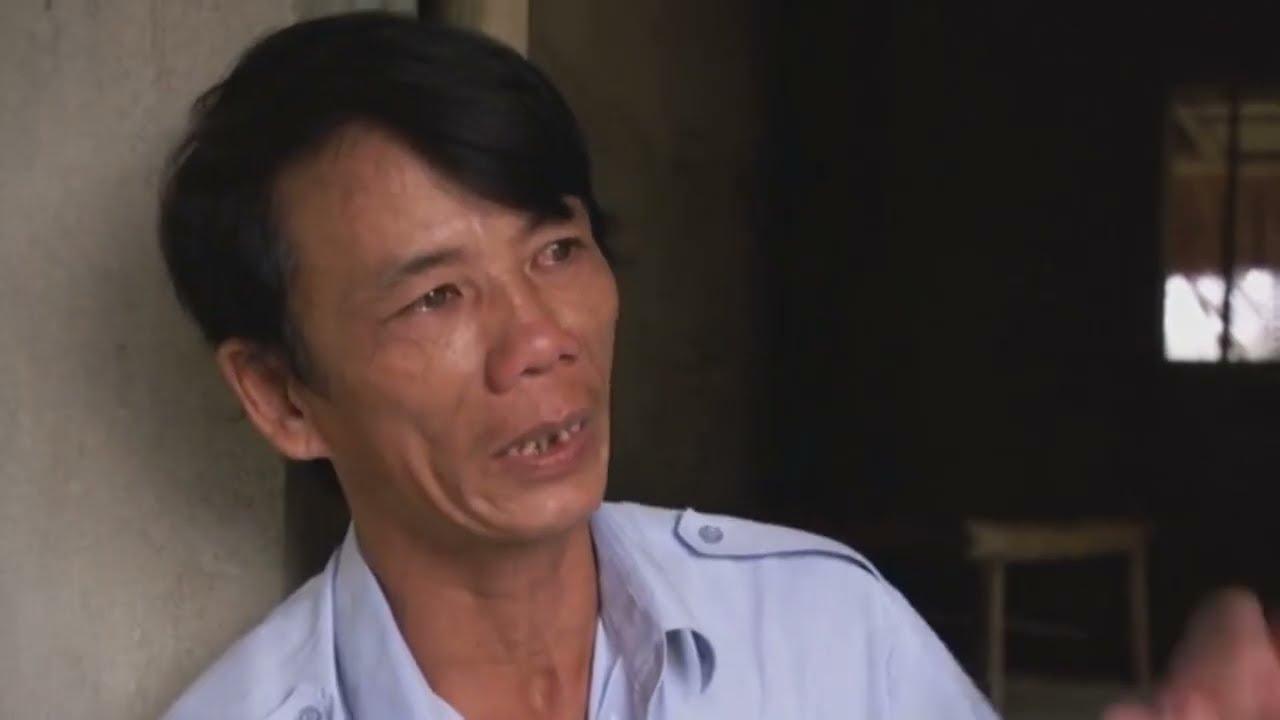 Some women entered prostitution because it was one of the only ways to earn money in a war-torn economy. Others were pushed into it by brokers, bar owners, even criminal networks that took advantage of the situation. Young girls, sometimes in their teens, were also drawn into this system. The lines between voluntary work and exploitation were extremely blurred. Even when money was involved, the power imbalance was obvious. American soldiers had cash, weapons, and authority. Vietnamese women often had none of those things. This environment affected how many soldiers viewed Vietnamese women overall. They were no longer seen as individuals with lives and families. Instead, they were often reduced to roles created by the war, either as suspected enemies or as part of the rest and recreation system. This mindset did not stay limited to cities or bases. It spread into the countryside, influencing how soldiers behaved during operations. When women were already being seen in these simplified and dehumanized ways, it became easier for some soldiers to justify their actions.
By 1967, the Vietnam War had reached a breaking point for many American soldiers. The number of US troops had climbed to nearly 500,000. But despite that massive presence, there was no clear victory in sight. The Vietcong were still active, still attacking, and still blending into the population. For soldiers on the ground, this created a feeling that nothing they did was working. Patrols could last for days or weeks without clear results. Then suddenly, an ambush would happen, and men would be killed or wounded without ever seeing the enemy. This kind of fighting wore people down fast. Soldiers were dealing with extreme heat, exhaustion, fear of hidden traps like punji sticks and landmines, and the constant stress of not knowing who to trust. Many started to feel angry, not just at the enemy, but at the entire situation. Some began to see the war as pointless, but they still had to follow orders. That frustration did not just disappear, it built up, and in many cases, it came out in how they treated civilians.
At the same time, the military strategy itself played a role in making things worse. The focus on body counts meant success was often measured by how many enemy fighters were killed, not by how well civilians were protected. This created pressure on units to show results, even when it was hard to identify actual Vietcong fighters. Villages that were suspected of helping the enemy were often labeled as hostile areas, sometimes referred to as free fire zones. In these zones, soldiers were given much more freedom to use force. The assumption was that anyone present could be an enemy. This kind of labeling had serious consequences. Once a village was seen as an enemy area, the people living there lost their protection as civilians in the eyes of some soldiers. Women, children, and elderly people were no longer clearly separated from combatants. During operations, this led to more aggressive behavior. Searches became rougher. Interrogations became harsher. In some cases, violence escalated into outright abuse.
Investigations conducted later, including internal military reviews and independent research, found that by this point, there were repeated patterns of misconduct in certain units. These patterns included not just killings, but also sexual violence during village operations. Some units developed reputations for being particularly harsh. The problem was not just individual behavior anymore. It was becoming tied to unit culture. New soldiers entering these units sometimes adapted to what they saw around them, especially if leaders did not step in. Leadership failure was one of the biggest factors behind this shift. Officers and non-commissioned officers were supposed to maintain discipline and enforce rules of engagement. But in many cases, they either ignored what was happening or chose not to report it. Some believed that strict enforcement would hurt morale. Others were focused on completing missions and did not want to deal with the complications of reporting crimes. There were also cases where leaders themselves were involved or at least aware of the behavior.
This lack of accountability sent a clear message to the troops. If no one is punished, then the behavior continues. In some situations, soldiers started to treat these actions as normal, something that just happened during operations. Conversations between soldiers, later recorded in testimonies and interviews, showed how casually some of these incidents were discussed. That does not mean everyone agreed or participated, but it shows how the environment had changed. Official reports from this time rarely gave a full picture. When incidents were recorded, they were often described in vague terms or classified in ways that kept them out of public view. The military did conduct investigations, but many were limited in scope and did not lead to serious consequences. Cases were sometimes closed due to lack of evidence, even when there were strong indications that something had happened. The structure of the system made it very difficult for justice to take place, especially when the victims were civilians in a foreign country.
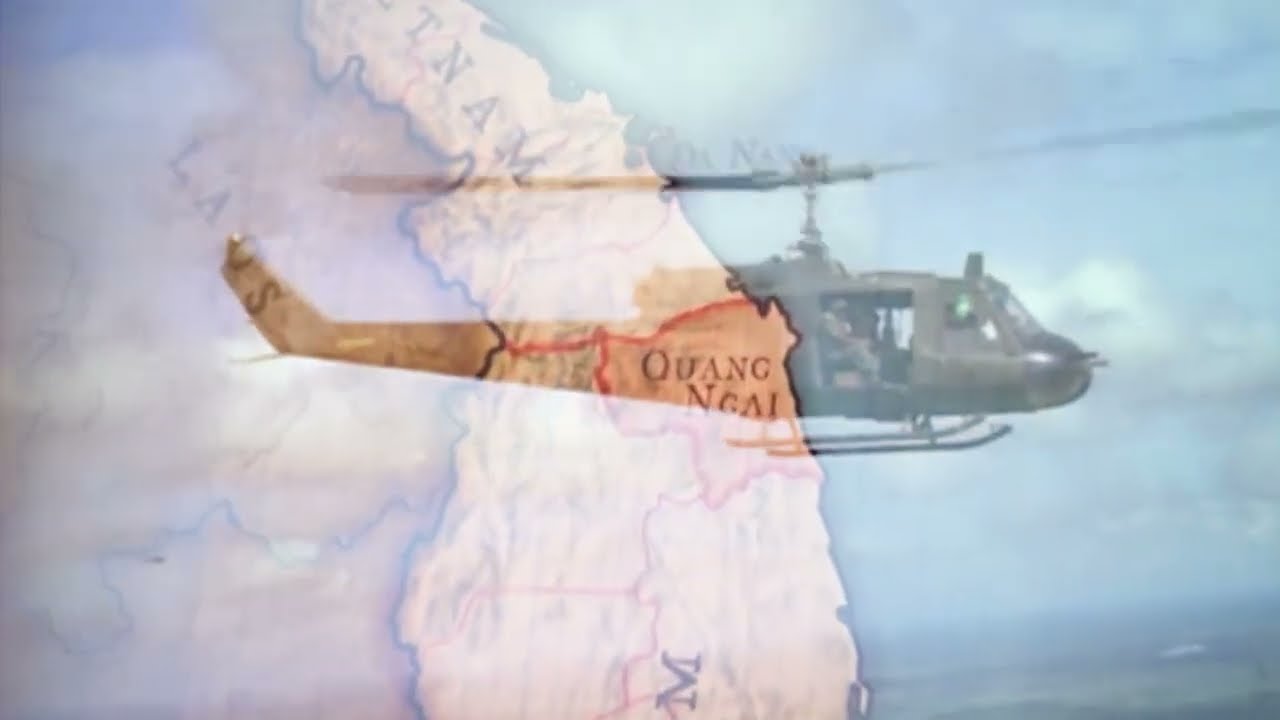
By late 1967 and early 1968, the war was entering one of its most intense phases. The Tet Offensive was approaching, and both sides were preparing for major actions. On the ground, tension was higher than ever. Soldiers were on edge, expecting attacks at any moment. In this kind of environment, the line between combat and civilian life became even thinner. What had been building over the previous years was about to reach a point where it could no longer stay hidden. That point came on the morning of March 16, 1968, when soldiers from Charlie Company, First Battalion, 20th Infantry Regiment, part of the 11th Brigade of the Americal Division, were flown by helicopter into an area in Quang Ngai Province known as the Son My village. One section of that area was the hamlet of My Lai. The men had been told they were going into a Vietcong stronghold. Intelligence reports claimed that enemy fighters were hiding there and that most civilians would be gone to market by the time the soldiers arrived. What they expected was a fight. What they found instead were unarmed villagers going about their morning.
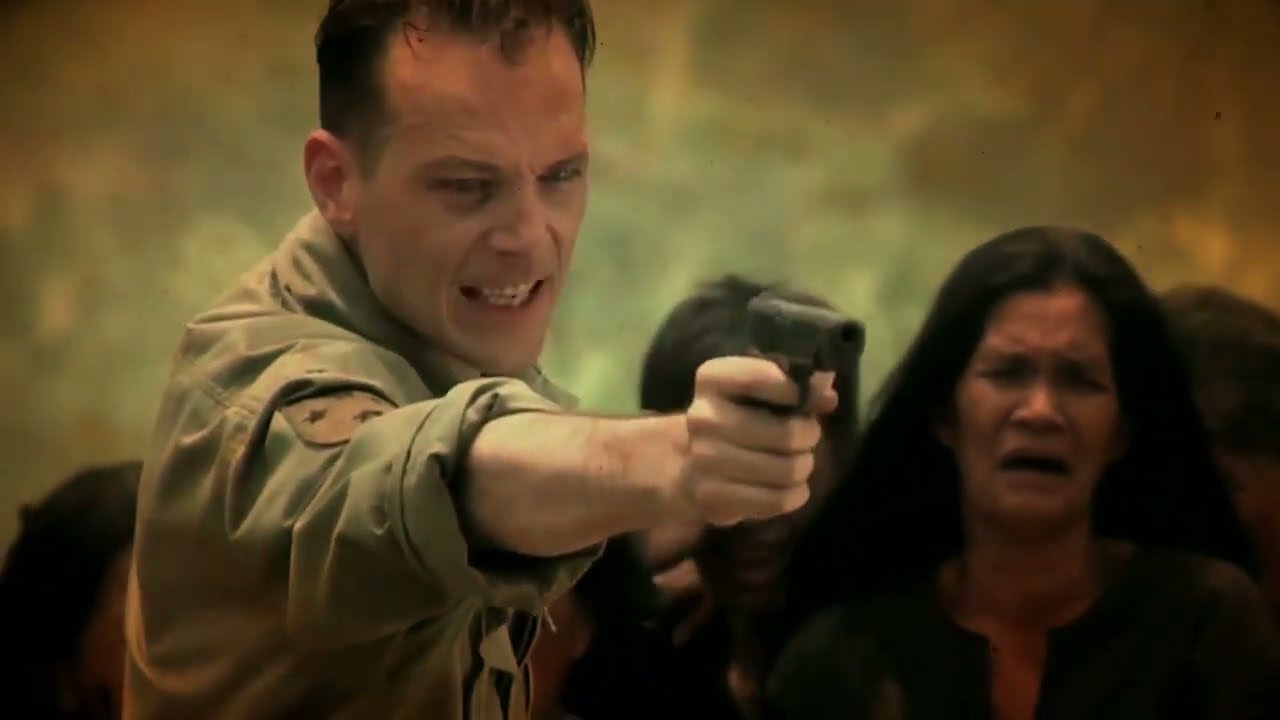
Within minutes of landing, things started to go wrong. There was no incoming fire, no sign of organized resistance. But instead of stopping, many soldiers began rounding up villagers. Men, women, children, elderly people were pulled out of their homes and gathered in groups. Some were forced into ditches. Others were held in open areas under guard. The operation quickly turned from a search mission into something else entirely. Over the next few hours, between 347 and 504 civilians were killed. The exact number is still debated, but what is clear is that the vast majority were not combatants. Entire families were wiped out. The killings happened in different parts of the village, often in clusters, as soldiers moved from one area to another. But the violence did not stop at shooting. Later investigations, including the official US Army inquiry led by Lieutenant General William Peers in 1970, revealed that sexual assaults occurred during the massacre. Witness statements from soldiers and survivors described how some women were abused before being killed.
One of the most important moments that day came from a helicopter crew led by Warrant Officer Hugh Thompson Jr. Flying above the village, Thompson and his crew saw bodies on the ground and civilians being shot. At one point, they landed their helicopter between a group of villagers and advancing American soldiers. Thompson ordered his door gunner Lawrence Colburn and crew chief Glenn Andreotta to aim their weapons at the US troops if they continued firing on civilians. They then helped evacuate several Vietnamese villagers to safety. This act likely saved lives, but it also showed just how far the situation had gone if American soldiers had to be threatened by their own side to stop. After the operation ended, the official report from the military described it as a successful mission against enemy forces, claiming that over 100 Vietcong had been killed. There was no mention of the civilians, no mention of the women, no mention of what had really happened.
For months, the truth stayed buried within military channels. It was not until late 1969 that the story broke publicly. Investigative journalist Seymour Hersh uncovered details of the massacre, and photographs taken by Army photographer Ronald Haeberle showed the bodies of villagers lying in ditches and fields. These images spread quickly, and the reaction was immediate. People in the United States and around the world were shocked. What had been presented as a war against communism now looked very different. The US Army launched formal investigations, including the Peers Commission, which interviewed hundreds of witnesses and reviewed extensive evidence. Court-martials followed. In total, 26 soldiers were charged with criminal offenses related to My Lai. But as the legal process moved forward, most of those charges were dropped or dismissed. In the end, only one man was convicted. Lieutenant William Calley, who had been leading one of the platoons on the ground, was found guilty of murdering 22 civilians. In 1971, he was sentenced to life in prison, but that sentence was quickly reduced. He ended up serving just over three years under house arrest after intervention from President Richard Nixon.
 For many people, the outcome felt deeply unfair. Hundreds of people had been killed. Multiple soldiers had been involved. Yet, only one was held accountable in a meaningful way, and even that punishment was limited. After the My Lai massacre, reports began surfacing from different parts of Vietnam that described similar patterns, even if they did not involve the same scale of killing. In 1970, the US Army created a special task force known as the Vietnam War Crimes Working Group. Its job was to collect and review allegations of misconduct by American forces in Vietnam. This group quietly gathered reports from across the war, including statements from soldiers, investigations by military police, and field reports from commanders. What they found was disturbing. The record showed over 300 substantiated cases of war crimes. These were not rumors or unverified claims. These were cases where there was enough evidence for the military to confirm that something had happened. The crimes included unlawful killings, physical abuse, torture during interrogations, and sexual violence against civilians.
Back in the United States, public opinion was shifting quickly. Protests were happening across the country, from large cities to college campuses, and a growing number of Americans wanted the war to end. Among those speaking out were veterans who had served in Vietnam. Many of them came back carrying not just physical injuries, but also memories of what they had seen and done. For some, staying silent became harder than speaking up. This led to the formation of groups like Vietnam Veterans Against the War, an organization made up of former soldiers who opposed the conflict. In January 1971, this group organized an event in Detroit called the Winter Soldier Investigation. Over the course of several days, more than 100 veterans gave testimony about their experiences in Vietnam. They spoke about village raids, civilian killings, and the treatment of prisoners. They also talked about sexual violence. The purpose of the event was to show that incidents like My Lai were not isolated. The veterans argued that these actions were a result of the way the war was being fought, not just individual failures.
While not every claim could be independently verified, the consistency of the testimonies added weight to the idea that there was a broader pattern. At the same time, investigative journalists continued to uncover more information. Reports based on military documents, interviews, and field research showed that misconduct had occurred in multiple units and regions. The US government and military responded in a careful and controlled way. Some investigations were reopened. Certain records were released, but often in limited form. The goal seemed to be managing the situation rather than fully exposing it. For Vietnamese victims, however, these developments did not change much in practical terms. Most had no way to seek justice through the American legal system. They were not US citizens, and the crimes had taken place in a war zone under military control. There were no clear pathways for compensation or legal action. As a result, many of their stories remained in Vietnam, passed down through families or shared within local communities, but rarely heard on a global stage. The focus in the United States was largely on the impact of the war on American soldiers and society, which meant that the experiences of Vietnamese civilians were often pushed to the side.
By 1973, US troops began withdrawing from Vietnam after the Paris Peace Accords. By April 1975, Saigon fell, and the war was officially over. For American soldiers, it meant going home. For Vietnamese civilians, especially women who had suffered during the war, it was a different story. The war did not really end for them. The physical and psychological scars remained. Entire communities had been destroyed. Families had been torn apart. Women who had been assaulted often carried that trauma for the rest of their lives, with little to no support. The infrastructure for mental health care in Vietnam was almost nonexistent, and the social stigma surrounding sexual violence made it even harder for survivors to speak out. Many never told anyone what had happened to them. They buried the memories and tried to move on, but the effects lingered. The war had taken away their homes, their loved ones, and in many cases, their sense of safety and dignity.
Decades later, historians and researchers have continued to piece together the full story. The release of classified documents, the collection of oral histories from Vietnamese survivors, and the reexamination of military records have all contributed to a more complete understanding of what happened. What has emerged is a picture of a war where the abuse of women was not a side effect but a recurring feature of how the conflict was fought. It was enabled by a military culture that dehumanized the enemy, by a command structure that failed to enforce discipline, and by a system of justice that was designed to protect the institution rather than the victims. The footage and transcripts now available serve as a stark reminder of the human cost of that failure. For the women of Vietnam, the war did not end with the last helicopter leaving Saigon. Their stories, long suppressed, are finally being told.
