In the bitter cold of a Belgian field on New Year’s Day, 1945, a war crime unfolded under a leaden sky. Approximately sixty German soldiers, their hands raised in surrender, were systematically cut down by American machine gunners. This was the massacre at Chenogne, a brutal act of revenge that would be deliberately buried by the U.S. command.
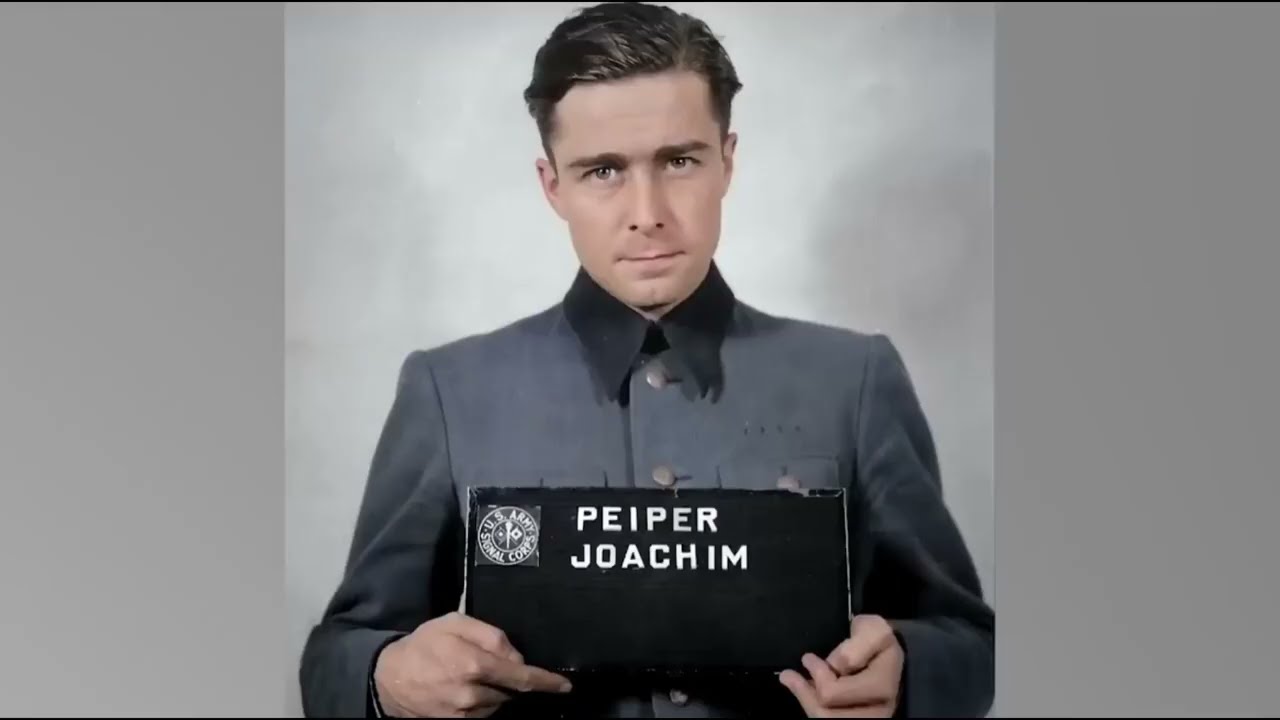
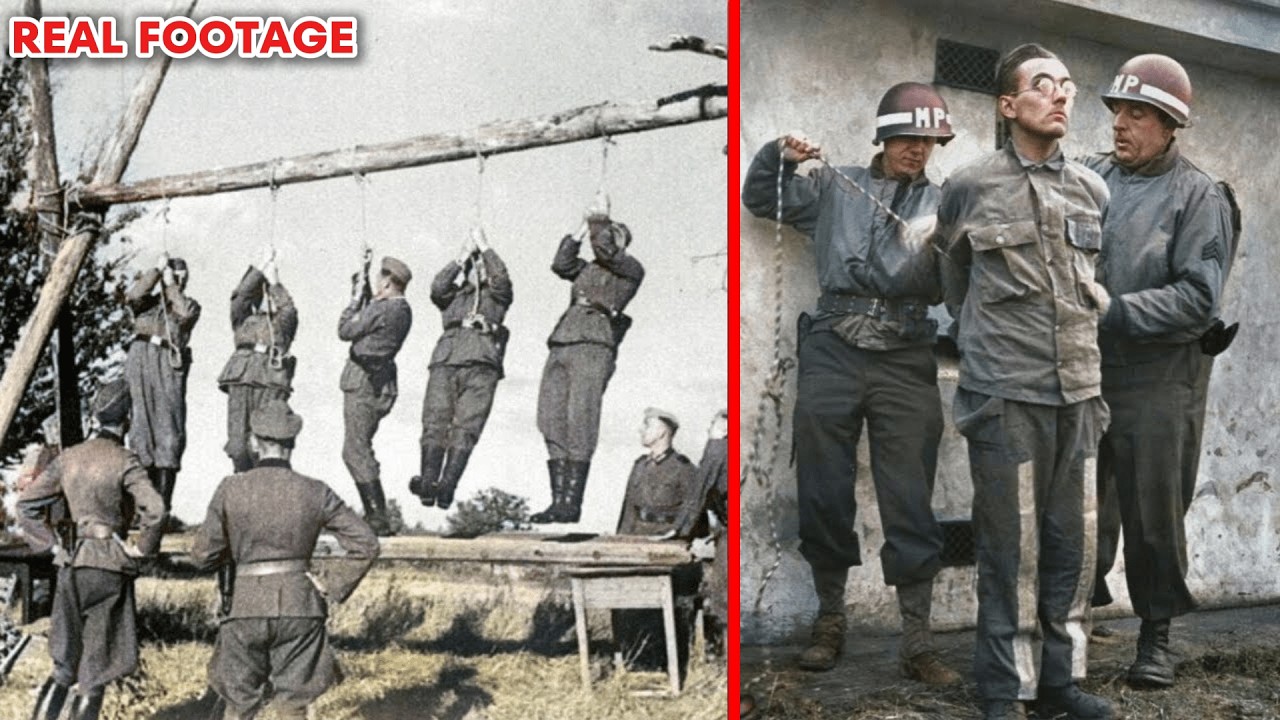 The event cannot be understood without the searing context of the Battle of the Bulge. Just two weeks prior, on December 17, 1944, Waffen-SS troops under Joachim Peiper massacred 84 surrendered American soldiers at a crossroads near Malmedy. The news spread through Allied ranks like a shockwave, poisoning the well of battlefield chivalry.
Unofficial orders began to circulate among frontline American units: take no SS prisoners. The directive was verbal, leaving no paper trail, but its intent was chillingly clear. The stage was set for a cycle of atrocity and retribution in the frozen Ardennes.
The 11th Armored Division, “The Thunderbolts,” were green troops thrust into this cauldron. Having arrived in Europe on the very day the German offensive began, they faced elite German panzer divisions in the war’s bloodiest American battle. Their casualties were devastating, and their morale was infused with rage over Malmedy.
On December 31, the division fought to capture the hamlet of Chenogne. The combat was house-to-house, brutal and personal. By the afternoon of January 1, with the village secured, German prisoners began to surrender in groups. Then, a fateful selection was made.

SS soldiers, identified by their distinct insignia, were separated from regular Wehrmacht troops. An estimated sixty to eighty men, largely from the Führer Begleit Brigade, were marched to a field on the village outskirts. They were lined up, and machine guns were positioned.
Staff Sergeant John Fague, witnessing the scene, later wrote he knew immediately “these boys are going to be machine gunned and murdered.” He heard the rattle of .30-caliber fire, followed by screams, then silence. When he passed later, the prisoners lay dead in the blood-stained snow.
Other accounts corroborate the horror. Soldier Max Cohen reported seeing roughly seventy prisoners executed. Frank Hartzell testified he received explicit orders to take no prisoners that afternoon. The act was not a spontaneous outburst but a methodical, multi-hour execution.
The high command was swiftly informed. General George S. Patton, commanding the Third Army, confided in his diary on January 4: “The 11th Armored is very green and took unnecessary losses to no effect. Also murdered 50 odd German [POWs]. I hope we can conceal this.”
Patton’s wish for a cover-up set the tone. After VE Day, Supreme Commander Dwight D. Eisenhower ordered an investigation. It was systematically obstructed. The 11th Armored Division claimed relevant records were destroyed and disbanded units made witnesses unreachable.
The contrast with the aftermath of Malmedy is stark. Peiper and 73 of his men were tried at Dachau in 1946. Though controversial and later commuted, death sentences were initially handed down. A formal judicial process, however imperfect, was followed.
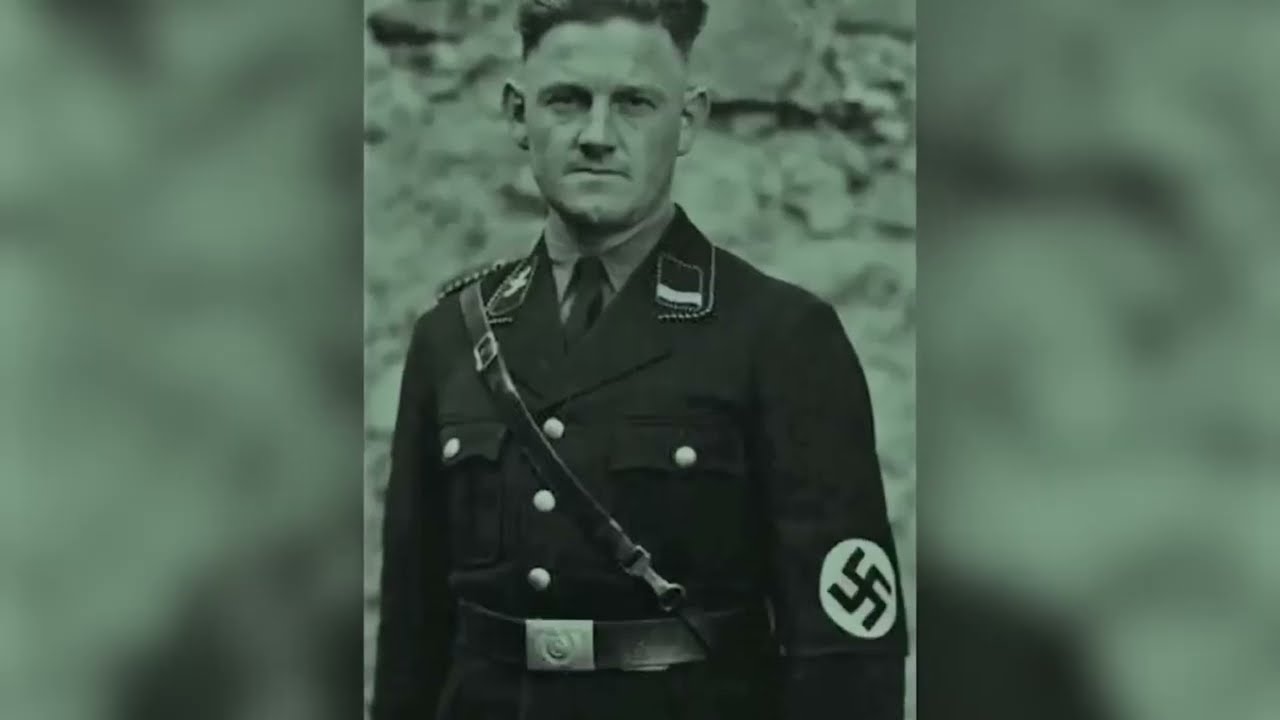
For Chenogne, there was no accountability. Future Nuremberg prosecutor Telford Taylor confirmed U.S. authorities avoided probing American war crimes. The official Army history later dismissed the event, citing a lack of written orders—a bureaucratic escape hatch for a verbal command.
The massacre forces a grim moral reckoning. The rage following Malmedy was understandable, a human reaction to profound betrayal. Yet, the cold-blooded execution of surrendered men remains a clear violation of the Geneva Conventions and the very principles the Allies fought to uphold.
By choosing concealment over justice, the U.S. military sent a dangerous message: that our crimes could be excused by theirs. The field at Chenogne remains unmarked, the dead largely forgotten, a silent testament to the uncomfortable truth that even in a righteous war, the line between soldier and murderer can vanish in the snow.
