The fragile facade of Italian democracy shattered completely on January 3rd, 1925, when Benito Mussolini publicly embraced political terror. In a defiant speech to parliament, the Fascist leader took responsibility for the murder of his chief critic, signaling an irreversible descent into open dictatorship.
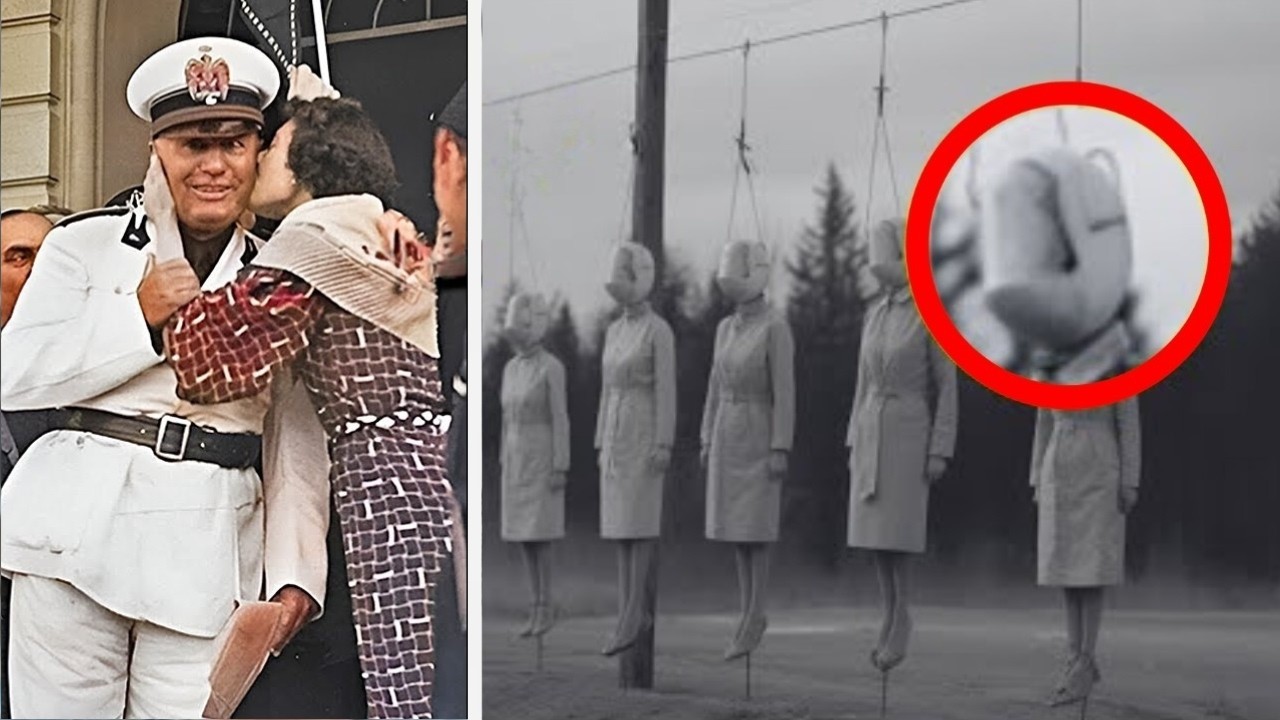 This pivotal moment followed the brutal kidnapping and killing of Socialist deputy Giacomo Matteotti months earlier. Matteotti had dared to expose the regime’s electoral fraud, a direct challenge Mussolini could not ignore. His body, discovered in a shallow grave, ignited national outrage and a brief political crisis.
Mussolini’s calculated response transformed Italy. He abandoned any pretense of constitutional rule, initiating a systematic dismantling of civil liberties. By 1926, opposition parties were outlawed and a secret police apparatus began monitoring citizens, fostering a climate of pervasive suspicion and fear.
The regime’s repression soon evolved into a public spectacle. Special tribunals staged show trials, while state-controlled media dramatized punishments. This theater of power aimed not to deliver justice, but to broadcast a chilling message on the consequences of dissent to every Italian citizen.
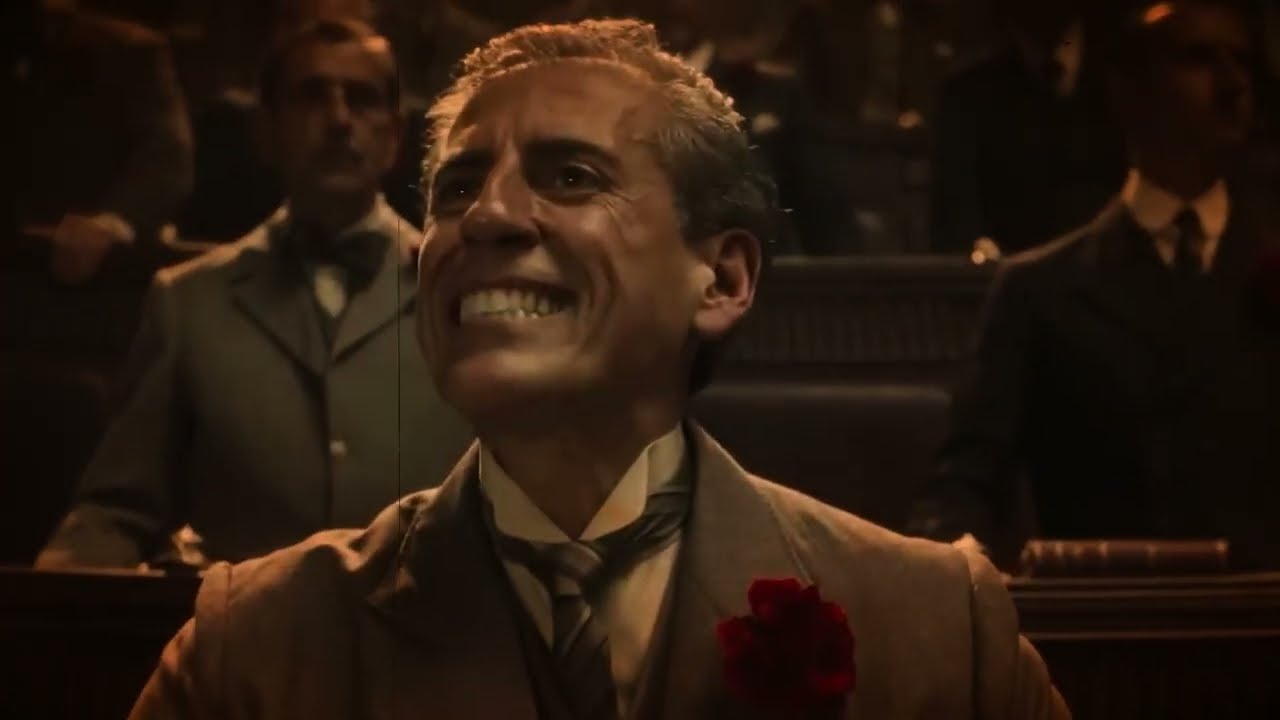 Internal purges intensified as Mussolini consolidated absolute control. Even early Fascist supporters and military officers faced removal for perceived disloyalty. This created a self-policing society where individuals censored their own thoughts to survive within the tightening grip of the totalitarian state.
Mussolini’s ambitions expanded with his power. The 1935 invasion of Ethiopia showcased brutal colonial warfare, including the use of chemical weapons. Domestic criticism of the campaign was branded treason, further eroding private freedoms under a surge of enforced nationalism.
A profound ideological shift occurred in 1938 with the enactment of the Racial Laws. Jewish Italians, many of whom had supported Fascism, were abruptly stripped of rights and publicly ostracized. This state-mandated purge destroyed careers, families, and Italy’s social fabric overnight.
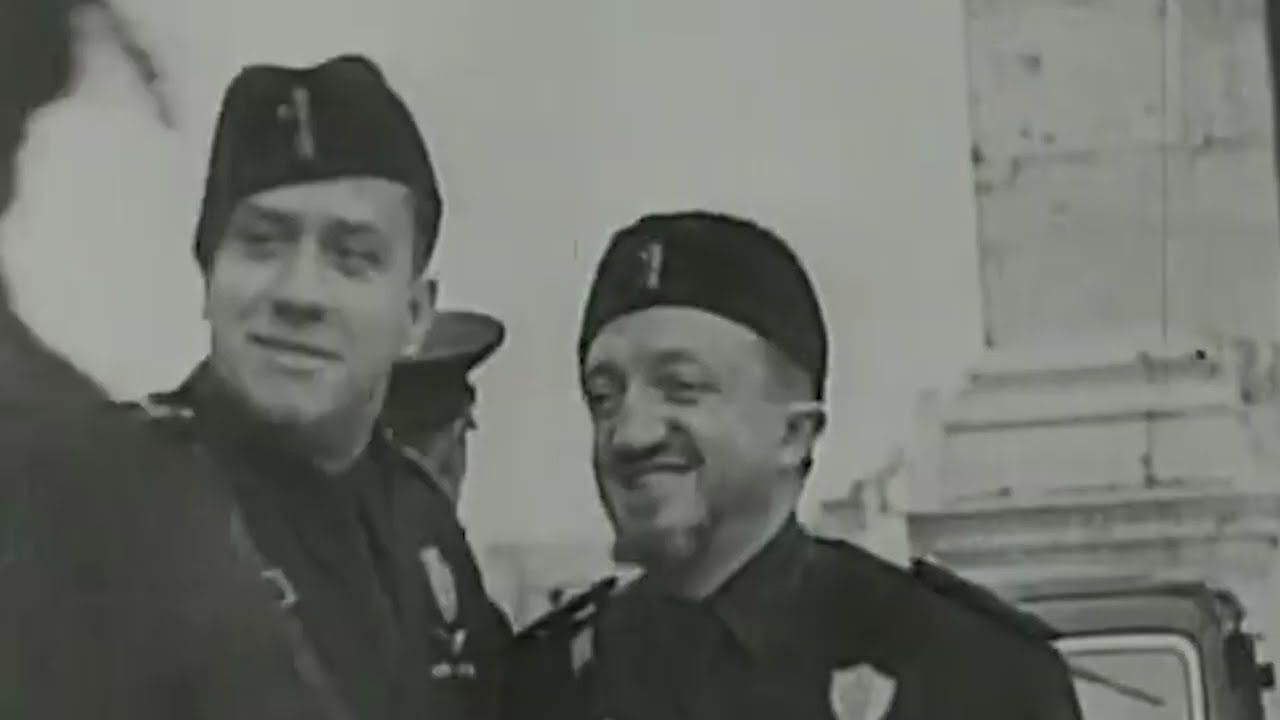
Italy’s disastrous entry into World War II in 1940 exposed the regime’s fatal weaknesses. Military failures and severe domestic hardship shattered the cult of the Duce. As Allied bombs fell, public faith evaporated, and cracks appeared within the Fascist elite itself.
The end began in July 1943. Following the Allied invasion of Sicily, the Fascist Grand Council turned against Mussolini. King Victor Emmanuel III ordered his arrest, abruptly ending two decades of rule. Italians briefly hoped for liberation, but the nightmare had a final, violent chapter.
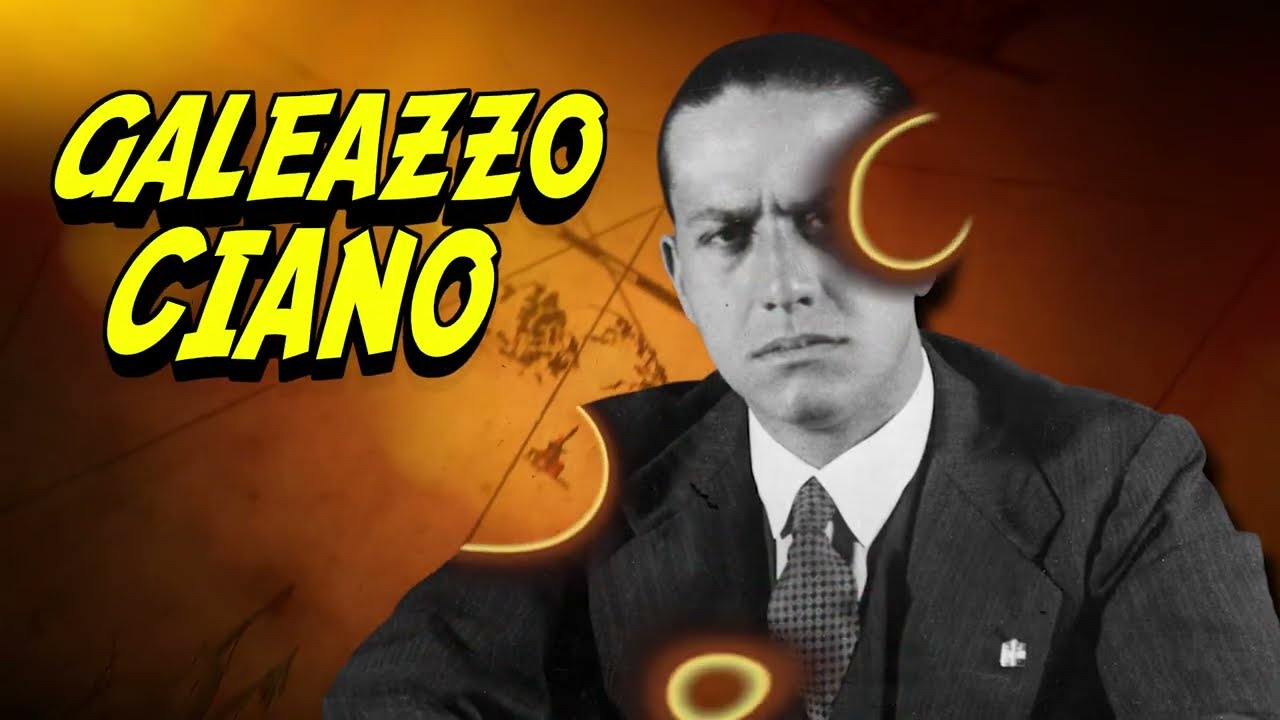 German commandos rescued Mussolini, installing him as a puppet leader in the Nazi-controlled Italian Social Republic. This rump state in the north became the stage for a vengeful and desperate reign of terror, targeting partisans and former allies alike with brutal public executions.
The regime’s final collapse in April 1945 was as chaotic as its rule. Captured by partisans while fleeing, Mussolini was summarily executed on April 28th. In a grimly symbolic act, his body was later displayed and mutilated in Milan’s Piazzale Loreto, a site of prior Fascist atrocities.
This public humiliation mirrored the methods of his own regime, closing a dark era where fear was weaponized and punishment was spectacle. Mussolini’s rise and fall demonstrated how quickly legal structures can crumble when violence is legitimized and absolute power goes unchecked.
