TOKYO, December 23, 1948 – In the frigid pre-dawn darkness of Sugamo Prison, a 70-year-old civilian diplomat mounted the gallows, his execution forging a brutal new principle of international law that would echo for generations.
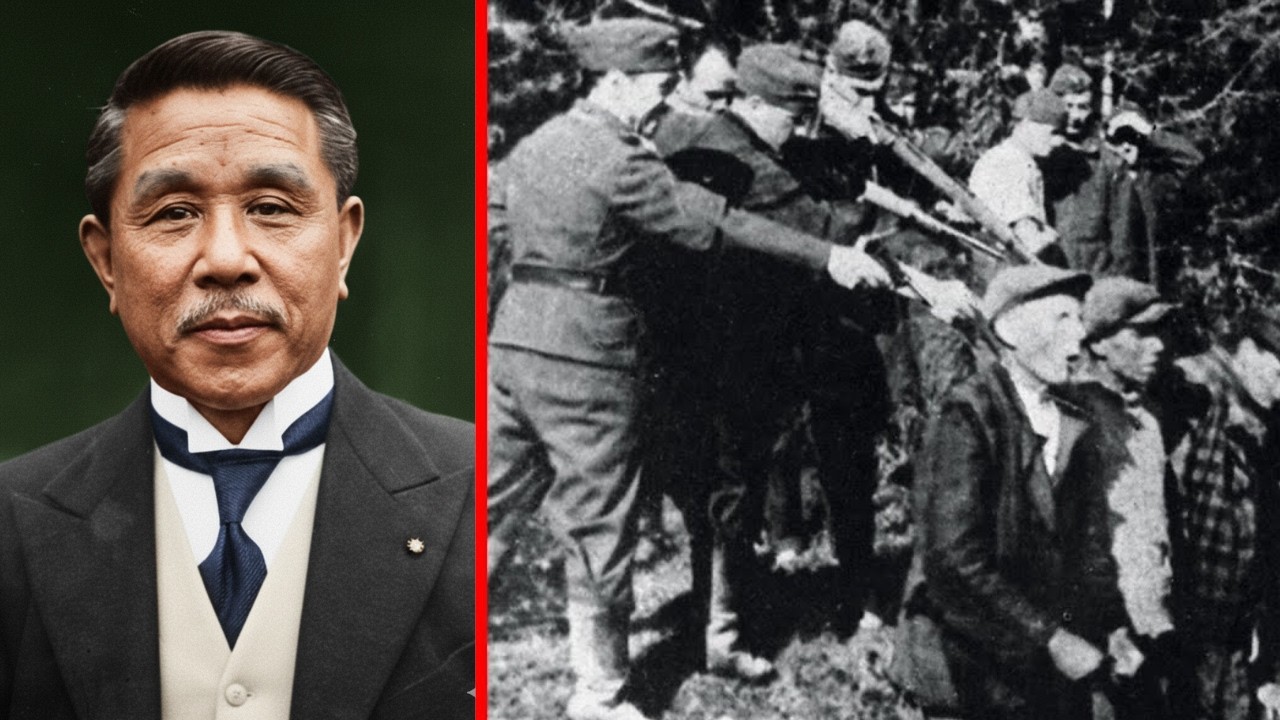 Koki Hirota, the only civilian sentenced to death by the International Military Tribunal for the Far East, was hanged alongside six senior military commanders. His crime was not issuing orders, but a profound and deliberate silence in the face of atrocity. The verdict established that inaction, when coupled with knowledge and authority, constitutes criminal guilt.
The tribunal’s majority found Hirota, who served as Japan’s Prime Minister and Foreign Minister in the 1930s, criminally negligent for failing to force an end to the atrocities committed by Japanese troops during the 1937 Nanjing Massacre. While he forwarded diplomatic protests to the Army Ministry, he accepted their hollow assurances while the violence continued.
“He was content to rely on assurances which he knew were not being implemented while hundreds of thousands of murders, rapes, and other atrocities were being committed daily,” the judgment stated. This concept of criminal negligence by omission lacked clear precedent in international law at the time.
The path to the gallows began not on a battlefield, but in cabinet rooms. Hirota, a stonemason’s son from Fukuoka who rose through elite diplomatic ranks, operated in a Japan where military power was eclipsing civilian government. His reinstatement of a rule requiring active-duty officers as service ministers effectively handed the military a veto over any cabinet.

His defining moment came as Foreign Minister during the invasion of China. Official records of a critical conference show Hirota voiced no objection as the decision was made to send massive reinforcements after the Marco Polo Bridge Incident, escalating the conflict.
When horrific accounts from Nanjing reached his desk through diplomatic cables and foreign eyewitnesses, Hirota took limited action. He passed the reports to the Army Ministry but did not resign, force a cabinet crisis, or publicly expose the army’s conduct. The tribunal ruled this constituted acquiescence.
The verdict was fiercely contested. Five of the tribunal’s eleven judges dissented in whole or in part. Indian Judge Radhabinod Pal argued the trial was illegitimate “victor’s justice” and acquitted all defendants. President Judge Sir William Webb of Australia believed the death sentence was disproportionate for Hirota’s level of culpability.
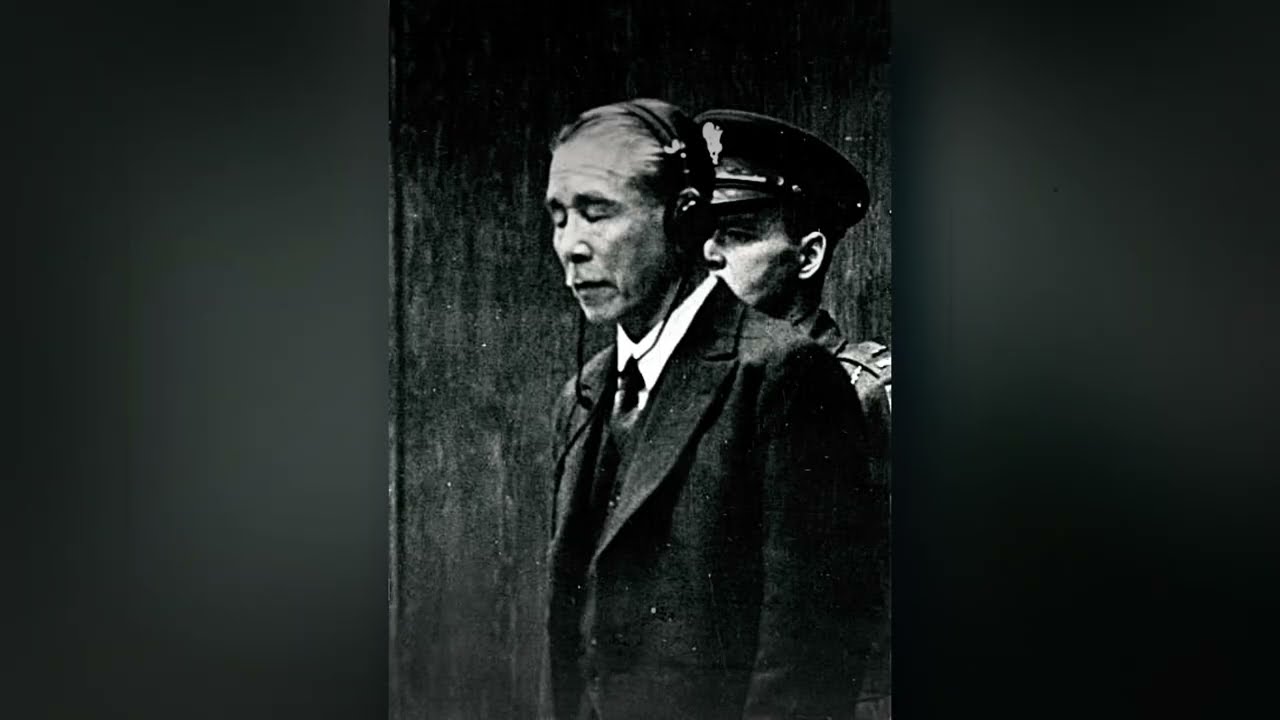
Despite the historic dissent, the majority judgment stood. On execution day, prison chaplains reported Hirota was serene, reciting Buddhist prayers before his final walk. He left no last statement.
The legal legacy of his case, however, is immense. The principle of responsibility for omission directly influenced the modern doctrines of command responsibility and superior responsibility. It is embedded in the Geneva Conventions and the founding statute of the International Criminal Court.
Prosecutors at later tribunals for the former Yugoslavia and Rwanda relied on this precedent to hold commanders accountable for crimes they knew about but failed to prevent or punish. The ghost of the Hirota verdict now haunts courtrooms where leaders are tried not for pulling triggers, but for averting their eyes.

In his hometown of Fukuoka, a shrine built in his memory stands as a site of reverence and controversy, emblematic of the unresolved debate his execution sparked. Historians and human rights advocates continue to clash over the judgment’s morality and legal foundation.
The case forces a relentless question about power: what is the culpability of the sophisticated enabler who chooses bureaucratic preservation over moral confrontation? Hirota’s story is a permanent warning that silence in the corridors of power can be as lethal as violence on the front lines.
His death in that frozen courtyard created a standard that holds leaders accountable not only for their actions, but for their calculated inactions. It remains one of the most consequential and controversial judgments of the 20th century, a stark lesson written into international law at the end of a rope.
