A brutal and often unspoken reality of the Pacific Theater is coming into sharper historical focus, revealing why Allied soldiers, despite official policy, frequently executed captured Japanese troops. The ferocious combat against an enemy who viewed surrender as the ultimate dishonor created a cauldron of fear, vengeance, and tactical necessity where the established rules of war catastrophically broke down.
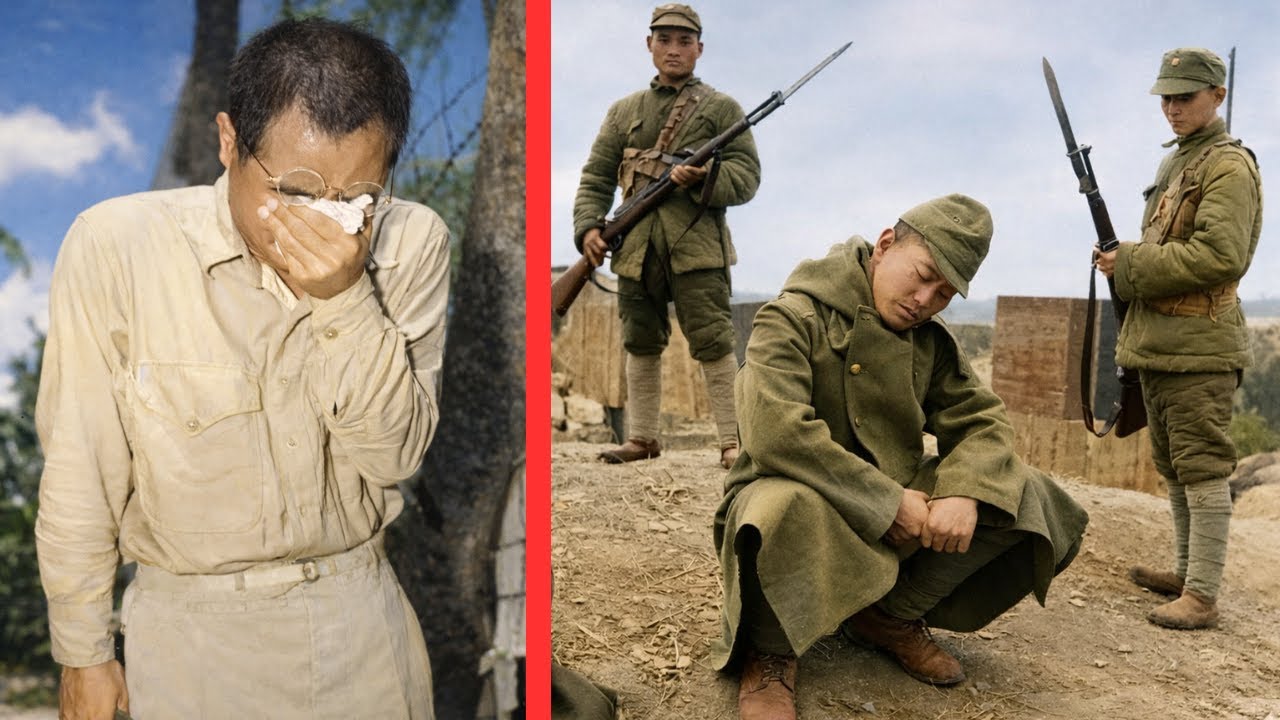 The conflict against Imperial Japan was marked by a level of savagery that shocked even battle-hardened veterans from the European front. Japanese forces were responsible for widespread atrocities, including the Bataan Death March, mass executions of prisoners, and horrific medical experiments. This systemic brutality, coupled with discoveries of mutilated Allied comrades, fueled a powerful desire for retribution among frontline troops.
Central to the deadly dynamic was a fundamental clash of military ideology. Japanese doctrine taught that surrender brought eternal shame upon a soldier and his family, while death in battle for the Emperor was the highest honor. This indoctrination meant Japanese soldiers almost never surrendered early and would often fight to the last man.
This cultural chasm led directly to the tactic of “false surrender,” which became a primary driver of Allied retaliation. Japanese soldiers would raise their hands or wave white flags, only to detonate concealed grenades, open fire with hidden weapons, or signal hidden units to attack once Allied troops approached to accept their capitulation.
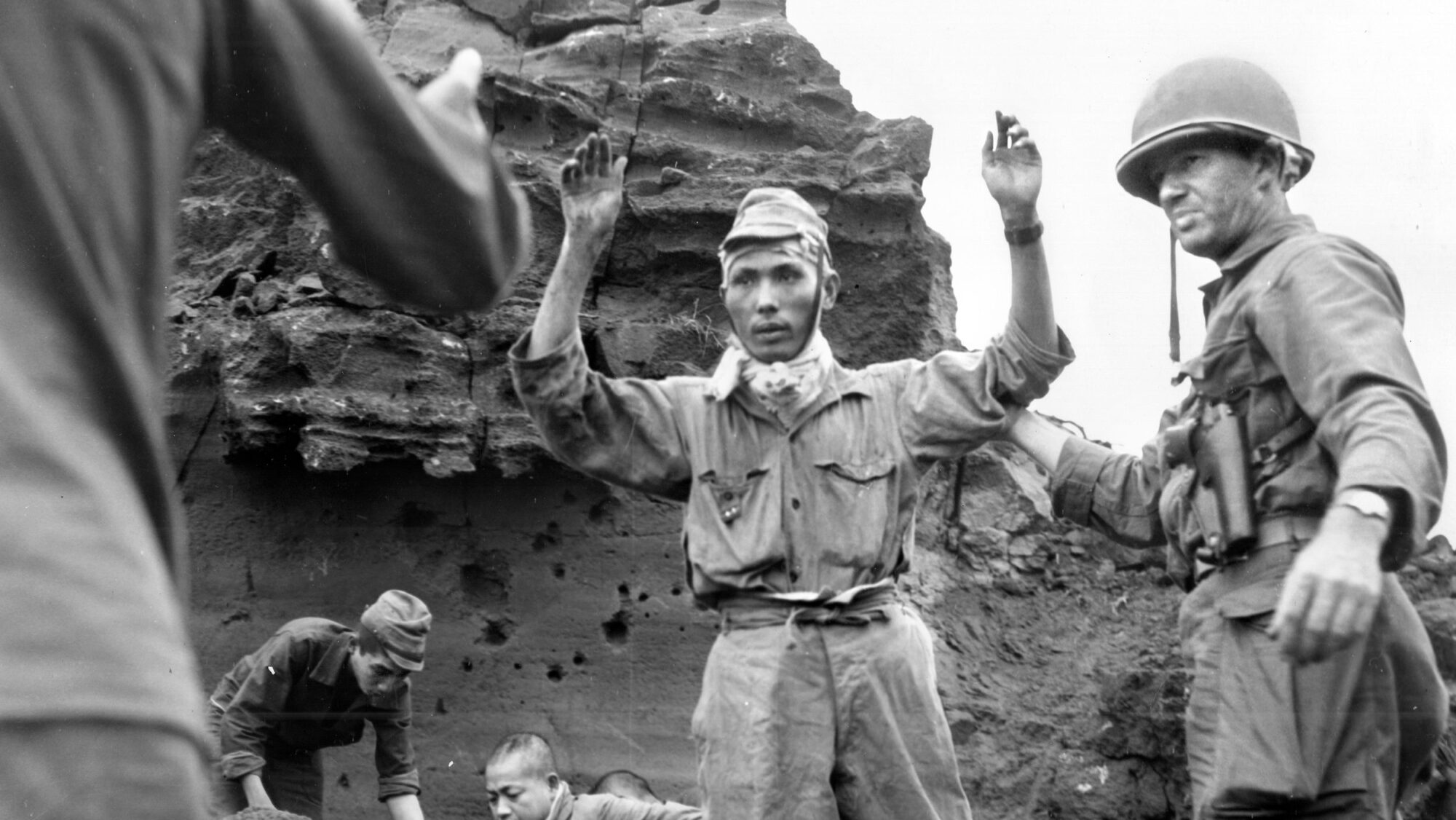
These repeated, deadly deceptions destroyed any trust on the battlefield. For Allied soldiers, particularly U.S. Marines in dense jungles and on fortified islands, every surrender attempt was potentially a lethal trap. The logical conclusion, born of grim experience, was that taking prisoners in an active combat zone was an unacceptable risk to their own lives.
The physical environment itself made the humane treatment of captives nearly impossible. Operating on remote islands, in tangled jungles, and within labyrinthine cave systems, units were often isolated and undersupplied. Prisoners required precious food, water, medical care, and guards, straining logistics and potentially compromising a unit’s mobility and security during combat.

Compounding these pressures was intense propaganda on both sides that systematically dehumanized the enemy. Allied portrayals of Japanese soldiers as fanatical and subhuman made it psychologically easier to view them as threats to be eliminated rather than human combatants entitled to protection under the Geneva Conventions.
Frontline conditions frequently led to a collapse of discipline. Exhausted, stressed, and operating under constant threat of ambush, soldiers often reacted from fear and reflex. While not universal, and while many units did take prisoners, some field commanders quietly tolerated or ignored the shooting of captives, viewing it as a grim necessity for survival.

It is crucial to note that executing prisoners was always illegal under the laws of war, and Allied command never issued such orders. However, the Pacific Theater presented a perfect storm of cultural extremism, tactical perfidy, and environmental hardship that eroded military restraint. As Japanese defeat became inevitable in 1945, surrender rates increased, yet so did incidents of soldiers taking their own lives rather than being captured.
The shooting of captured Japanese soldiers stands as a dark testament to the totalizing brutality of the Pacific War. These actions emerged not from official policy, but from a vicious cycle of atrocity and mistrust, where the normal rules of engagement were consumed by the realities of an unforgiving fight against a relentlessly fanatical foe. This history underscores how quickly the frameworks of civilized conflict can disintegrate when faced with an enemy for whom surrender is a fate worse than death.
