She was a queen, a prisoner, and ultimately a victim of betrayal. Behind the legends of Mary, Queen of Scots, lies a dark web of deceit, politics, and obsession. New evidence reveals shocking truths about her imprisonment, her execution, and the secret forces that conspired to end her reign. Was Mary truly guilty — or the most tragic pawn in royal history?

Mary, Queen of Scots, often romanticized as a tragic heroine, is now being reevaluated as one of history’s most disastrous monarchs. New insights reveal that her reign was not merely a tale of misplaced loyalty and political intrigue, but a catastrophic failure of leadership driven by emotional impulsiveness, poor judgment, and a profound misunderstanding of power dynamics.
Born in 1542, Mary ascended to the Scottish throne as an infant, only to be thrust into a world of clan rivalries and religious strife. Her upbringing in the opulent French court left her ill-prepared for the harsh realities of ruling a fractious Scotland. Upon her return in 1561, she faced a nation transformed by Protestant reformers, yet she clung stubbornly to her Catholic faith, failing to grasp the political landscape that surrounded her.
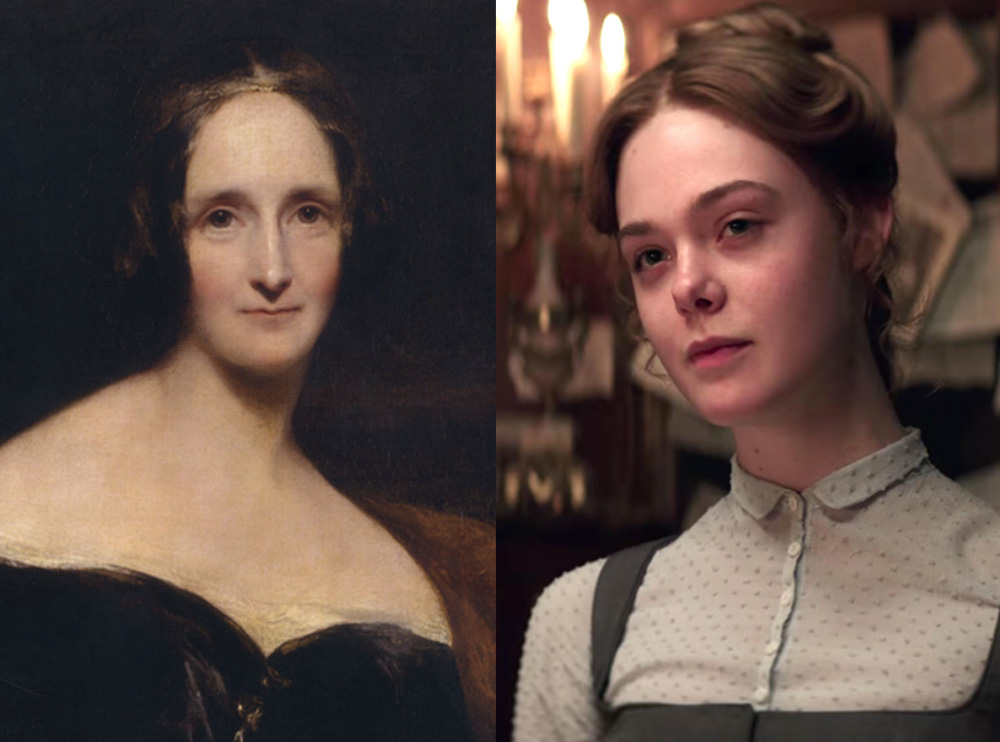
Mary’s reign was marred by scandal and miscalculation, most notably her ill-fated marriage to her cousin, Henry Stewart, Lord Darnley. Initially, this union appeared politically advantageous, but it quickly descended into chaos. Darnley’s arrogance and ambition turned their relationship into a public spectacle, culminating in the shocking murder of her secretary, David Rizzio, in front of her. Mary’s reaction—quickly forgiving Darnley—signaled a critical failure in her ability to navigate political treachery.

The situation spiraled further when Darnley was found dead under mysterious circumstances, leading to widespread suspicion of Mary’s involvement and her subsequent marriage to the prime suspect, James Hepburn, the Earl of Bothwell. This decision ignited rebellion among Scottish nobles, resulting in her imprisonment and forced abdication in favor of her infant son, James VI.
Mary’s subsequent flight to England, seeking refuge with her cousin Elizabeth I, proved to be a fatal miscalculation. Rather than offering support, Elizabeth viewed Mary as a rival claimant to the English throne. For 19 years, Mary languished in various forms of house arrest, embroiled in plots that ultimately led to her execution in 1587.
Historians are now emphasizing that Mary’s downfall was not merely the result of external pressures. Her inability to separate emotion from politics, navigate alliances, and understand the complexities of power contributed significantly to her tragic fate. Unlike her contemporaries, such as Elizabeth I, who mastered the art of political survival, Mary was often manipulated and outmaneuvered, her charisma masking a dangerous naivety.
As the narrative around Mary, Queen of Scots, shifts, it challenges long-held perceptions of her as a victim of circumstance. Instead, it paints a picture of a ruler whose emotional decisions and lack of political acumen led to her demise. The legacy of her reign is one of instability and division, leaving Scotland fractured and paving the way for her son to unite the crowns of Scotland and England—an achievement that came at the cost of her own power.
In the end, Mary’s life reads like a cautionary tale of what happens when passion overshadows pragmatism in the ruthless arena of 16th-century politics. Her execution did not mark the end of a great ruler but the conclusion of a reign defined by incompetence and tragic missteps. Mary, Queen of Scots, emerges not as a martyr, but as a stark reminder of the perils of emotional governance in a world that demands calculated leadership.
