The noose tightened around Siegfried Seidl’s neck at 6 a.m. on February 4, 1947, in a Vienna prison yard, and with his final breath, the former commandant of the Theresienstadt ghetto declared he had nothing to regret for the murders of thousands of Jews. Seven minutes later, the 35-year-old SS officer was pronounced dead, his execution marking the end of a brutal career that had begun with the Nazi annexation of Austria nearly nine years earlier. The hanging of Seidl, a protégé of Adolf Eichmann, closed a dark chapter in Holocaust history, but the echoes of his crimes continue to reverberate through the testimonies of survivors who endured his reign of terror.
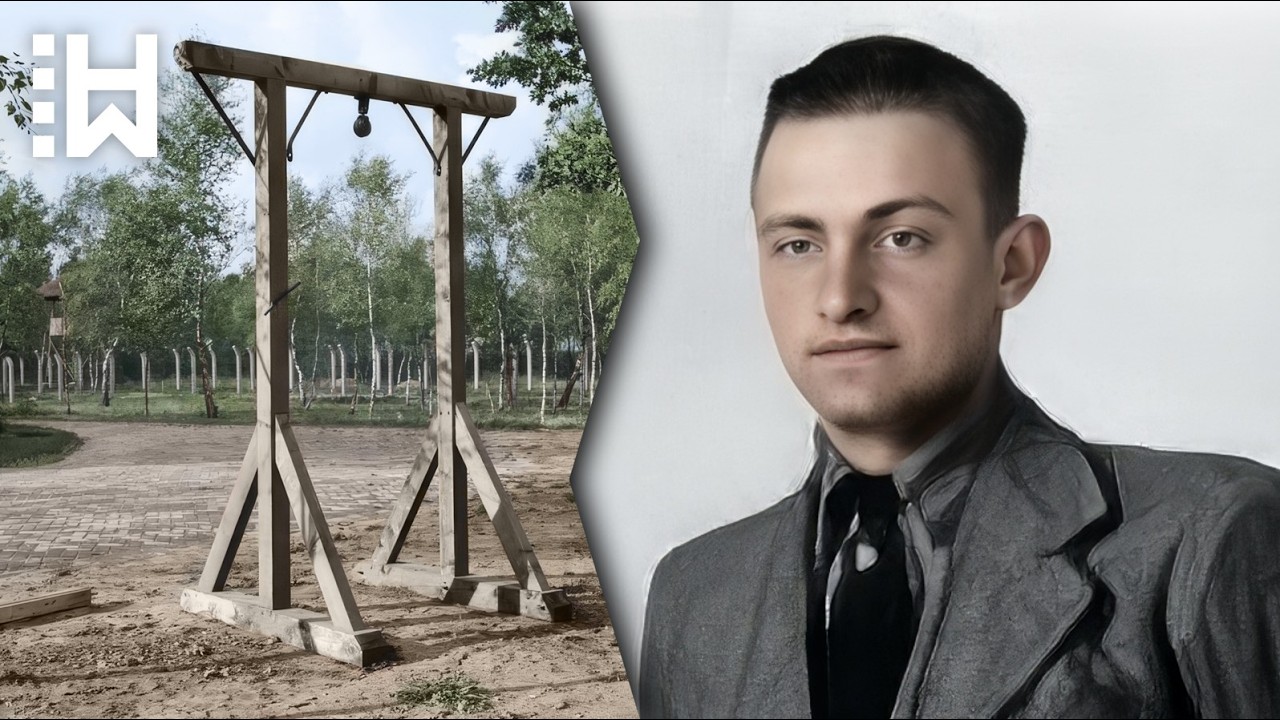 The story of Siegfried Seidl is a chilling testament to how ordinary men became architects of genocide. Born on August 24, 1911, in Tulln an der Donau, then part of Austria-Hungary, Seidl grew up without a father, who disappeared during World War I. The collapse of the Austro-Hungarian Empire left Austria in political chaos and economic despair, and like many young men of his generation, Seidl was drawn to radical nationalist ideologies. On October 15, 1930, at the age of 19, he joined the Nazi Party with membership number 3738. Within a year, he enlisted in the SA, the party’s paramilitary wing, and in May 1932, he switched to the SS, the elite organization that would later control the entire concentration camp system. His early commitment to Nazism, long before the Anschluss made it politically expedient, reveals a deeply ideological conviction.
Seidl studied history and German literature at the University of Vienna from 1935 to 1938, but the Anschluss on March 12, 1938, transformed his life. German troops crossed the Austrian border without resistance, and within hours, swastikas flew from public buildings across Vienna. Crowds gathered in the city center, cheering and giving the Nazi salute, as loudspeakers broadcast triumphant speeches and church bells rang. The atmosphere was a mixture of euphoria, fear, and uncertainty. For many Austrians, this moment promised opportunity and advancement within the growing structures of the Third Reich. For others, particularly Jews and political opponents, it marked the beginning of exclusion, humiliation, and persecution. In this rapidly changing city, careers changed overnight, loyalties were tested, and ambitious young men like Seidl saw new possibilities.
On March 2, 1939, Seidl married Elisabeth Stieber, a former kindergarten teacher and a devoted Nazi Party member who belonged to the National Socialist Women’s League. The couple would have three children, and their private life developed in parallel with Seidl’s growing role within a system preparing for war, mass persecution, and murder. World War II began on September 1, 1939, when Nazi Germany invaded Poland. Shortly after, Seidl was drafted into police service due to his SS membership. In January 1940, he was assigned to the Reich Security Main Office, known as the RSHA, the central agency coordinating the Gestapo, criminal police, and intelligence services. Within this organization, he worked in Referat 4B4 under Adolf Eichmann, the man responsible for deporting Jews from across Europe.
After joining the RSHA, Seidl was sent to Posen in German-occupied Poland, where he organized the resettlement of Poles and Jews from territories newly annexed to the Reich. In October 1941, Eichmann ordered Seidl to establish the ghetto of Theresienstadt in the Protectorate of Bohemia and Moravia, about 60 kilometers north of Prague. The protectorate had been created after Germany occupied the Czech lands in March 1939, destroying Czechoslovakia. Theresienstadt was designed to serve multiple functions. It was a transit camp for Jews from Germany, Austria, and the protectorate who were to be deported to extermination camps in Eastern Europe. At the same time, it was used for propaganda purposes, portrayed as a model Jewish settlement to deceive the international community, including representatives of the International Red Cross.

From November 1941 to July 1943, Seidl served as commandant of the Theresienstadt ghetto. Under his authority, approximately 121,000 people were deported to Theresienstadt. Of these, around 25,000 died there, and nearly 44,000 were deported further east, where most were murdered. The ghetto was overcrowded from the start. Food was scarce, medical care inadequate, and sanitary conditions appalling. The majority of prisoners were elderly, making them particularly vulnerable. Seidl wielded extensive power. He insisted on strict discipline and demanded to be addressed as Herr Lagerkommandant. He shaped the early camp regulations and used his authority to prohibit heating or lighting in the barracks, measures with devastating consequences for the old and sick. Prisoners over 70 were assigned to cleaning duties, and anyone who disobeyed orders risked torture or inclusion in the next transport east.
Witnesses described Seidl as elegant and outwardly cultured, with interests in music and stamp collecting. He lived with his family in a three-room apartment in a nearby hotel, owned a riding horse, enjoyed hunting, and had a sports car and a Mercedes service car. This contrast between his private comfort and the suffering in the camp reflected typical behavior among SS leadership. Many perpetrators combined a bourgeois lifestyle with direct involvement in persecution and mass murder. Seidl was frequently present when transports arrived. Survivors testified that he used a whip to force exhausted prisoners to move faster. On one occasion, Seidl struck blind war invalid Oskar Löwi with his whip, hitting him so hard in the face that his glass eye shattered. The only reason for this assault was that Löwi had asked about the possibility of keeping his luggage.
In another incident, Seidl ordered a prisoner named Arthur Müller, who had arrived with the 13th transport from Vienna, to be beaten so severely that he died a few days later. Müller’s alleged offense was that he had been involved in the sale of a mill owned by Seidl’s parents. On Eichmann’s orders, Seidl also organized the public hanging of 16 Jews accused of smuggling letters out of the camp. He carried out the order without hesitation. In the fall of 1942, as thousands of elderly prisoners died, Seidl reportedly remarked that the clock was running correctly, a comment that demonstrated his indifference to mass death. On July 3, 1943, Seidl was transferred to the Bergen-Belsen concentration camp in northern Germany. At that time, the camp was still under construction and held relatively few prisoners compared to its later overcrowded state.
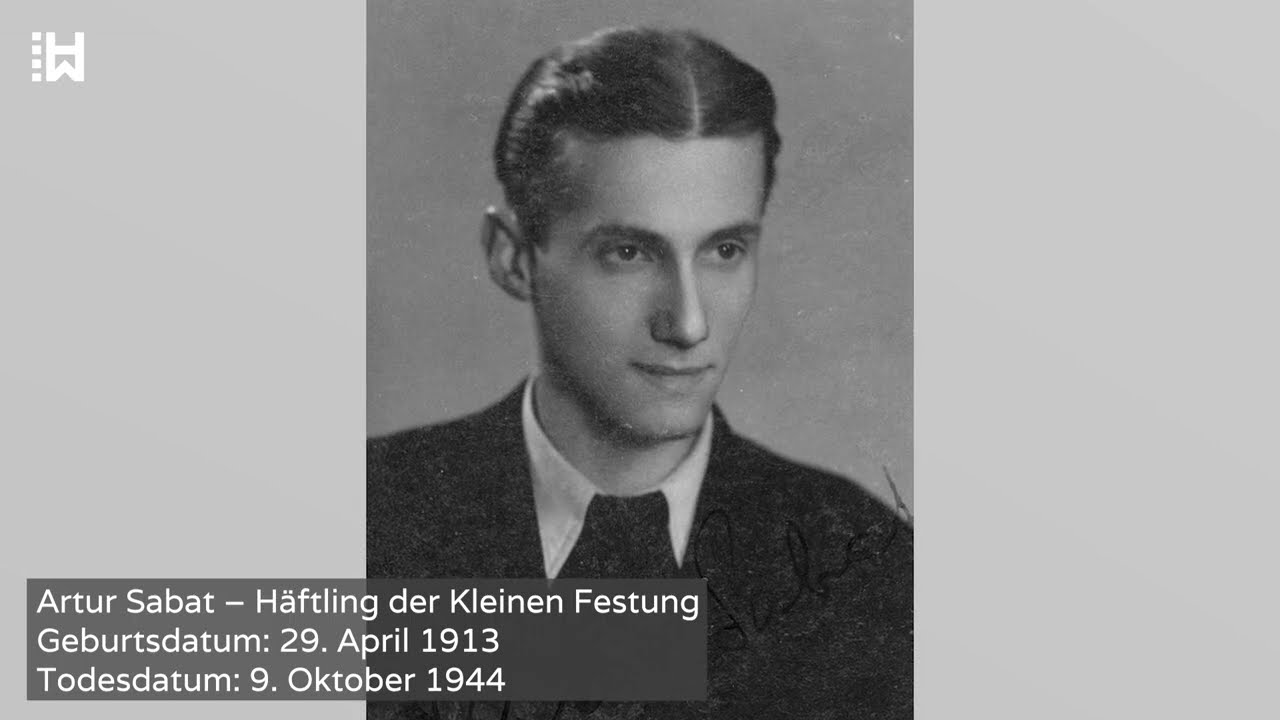
Seidl served in Bergen-Belsen as head of the camp Gestapo and was also responsible for Jews from neutral countries and regions such as Spain or South America who were interned there. He allegedly manipulated personal documents and placed some individuals on deportation lists to Auschwitz, where systematic extermination took place. From Bergen-Belsen, he was transferred to the Mauthausen concentration camp in Austria to prepare for the deportation of Hungarian Jews. In March 1944, Seidl traveled to Budapest and joined Einsatzgruppe 5, a mobile SS killing unit. He became part of the Eichmann Special Commando, which coordinated the deportation of Hungarian Jews. Between May 15 and July 9, 1944, in less than 60 days, approximately 440,000 Jews were deported from Hungary. The majority were transported to Auschwitz-Birkenau, where about 80 percent were sent directly to the gas chambers upon arrival.
The crematoria could not keep up with the number of bodies, and open pits were used to burn the dead. Seidl participated in organizing confiscations and deportations in Debrecen and later supervised Hungarian Jews held in forced labor camps and concentration camps in Vienna and Lower Austria. The war in Europe ended on May 8, 1945. After the collapse of Nazi Germany, Seidl tried to hide in Austria. He lived under a false name in Vienna but was arrested in July 1945. He was initially held by American occupation forces before being transferred to Austrian authorities. Czechoslovakia requested his extradition for his crimes in Theresienstadt, but Austrian authorities refused, arguing that many of the victims were Austrian Jews. In October 1946, Seidl was brought before the Austrian People’s Court, a special tribunal established to prosecute Nazi crimes and collaboration.
He was charged with executions and mistreatment committed during his leadership of Theresienstadt. He was acquitted of specific murder charges but convicted of high treason and crimes against humanity. During the trial, he initially claimed he had only followed orders, a defense common among former SS officers. Later, he admitted his involvement in the atrocities, and as a result of his war crimes, the doctorate he had received in 1941 was formally revoked. Seidl was sentenced to death, and all his property was confiscated. After hearing the verdict, he bowed calmly but turned pale and began to tremble. In the following days, he begged for mercy, even though he had shown none to his victims. His wife and mother submitted a clemency petition to the president, pointing out that he had three children, but the request was denied.
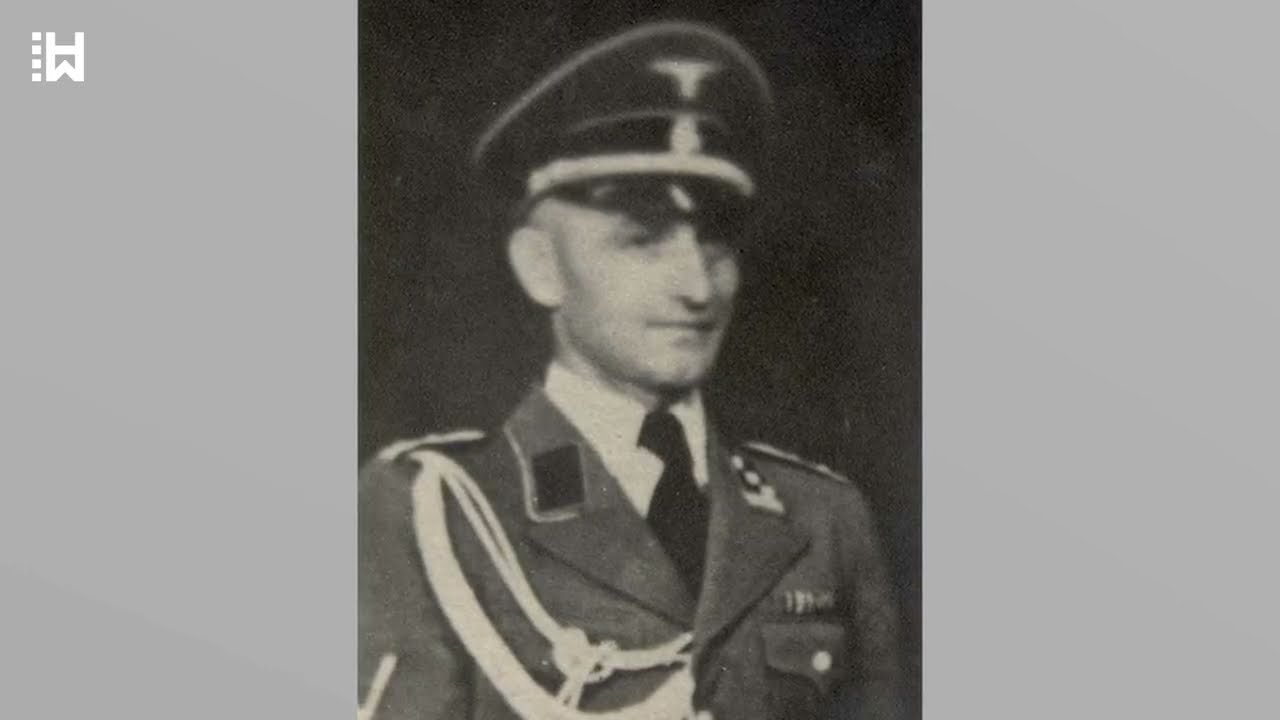
On February 4, 1947, the 35-year-old Siegfried Seidl was hanged in Vienna. As the noose was placed around his neck, Seidl told his executioner that he stood by the murders of Jews he had committed and had nothing to regret. Seven minutes later, his death was confirmed. The execution of Siegfried Seidl was a rare moment of justice in the aftermath of the Holocaust, but it could never undo the suffering he inflicted. The ghetto of Theresienstadt, which he commanded with such cruelty, became a symbol of Nazi deception and murder. The propaganda films showing happy Jewish families in a model settlement were a grotesque lie, masking the starvation, disease, and death that were the reality for tens of thousands. Seidl’s personal comfort, his stamp collection, his hunting trips, and his sports car, all funded by the misery of his prisoners, stand as a stark reminder of the banality of evil.
The legacy of Siegfried Seidl is not just one of individual guilt but of a system that enabled ordinary men to commit extraordinary crimes. His early and enthusiastic embrace of Nazism, his rise through the SS hierarchy, and his willingness to carry out the most brutal orders without question illustrate how ideology and ambition could transform a university student into a mass murderer. The testimonies of survivors, like those who saw him smash a blind man’s glass eye with a whip or beat a prisoner to death for a personal grudge, ensure that his crimes are not forgotten. His final words, defiant and unrepentant, reveal a man who never truly understood the magnitude of his evil. The noose may have ended his life, but the story of Siegfried Seidl serves as a warning for all time about the dangers of unchecked power, ideological fanaticism, and the human capacity for cruelty.
The execution of Siegfried Seidl on that cold February morning in 1947 was a small measure of justice for the thousands who died in Theresienstadt and the hundreds of thousands who passed through its gates on their way to Auschwitz. But for the survivors, the hanging of one man could never erase the memories of starvation, disease, beatings, and the constant fear of deportation. The ghetto itself, now a memorial and museum, stands as a testament to the suffering of its prisoners and the crimes of its commandant. Seidl’s name is forever linked with the horrors of the Holocaust, a reminder that even the most cultured and educated individuals can become perpetrators of genocide. His story, from the cheering crowds of Vienna in 1938 to the gallows in 1947, is a cautionary tale of how quickly a society can descend into barbarism and how easily ordinary people can become complicit in evil.
