Katherine Howard, the tragic fifth wife of King Henry VIII, has been missing from her supposed burial site for over a century, raising urgent questions about her fate. Despite being executed in 1542 and believed to be interred at the Tower of London, her remains were never found during Victorian renovations.

The mystery deepens as historians and archaeologists scramble to uncover the truth behind her vanished remains. Katherine was executed on February 13, 1542, on charges of treason, yet her burial site remains elusive. Official accounts claim she was buried in the Chapel of Saint Peter ad Vincula, but that location yielded no trace of her bones during excavations in the 1870s.
The Victorian dig aimed to restore the chapel, but instead, it uncovered the remains of other historical figures while Katherine’s bones were nowhere to be found. The absence of her remains has led to rampant speculation and various theories about what could have happened.

One theory suggests that lime used in the burial process accelerated decay, rendering her bones unrecognizable. However, experts have debunked this notion, clarifying that lime actually slows decomposition. This leaves historians puzzled as to why her remains vanished while those of contemporaries were recovered intact.
Another possibility is that Katherine’s remains were mistakenly mixed with others during the chaotic renovations. The chapel is a crowded burial site, with numerous individuals interred closely together. This theory hinges on the idea that her bones could be lost among the remains of others, but this explanation lacks concrete evidence.
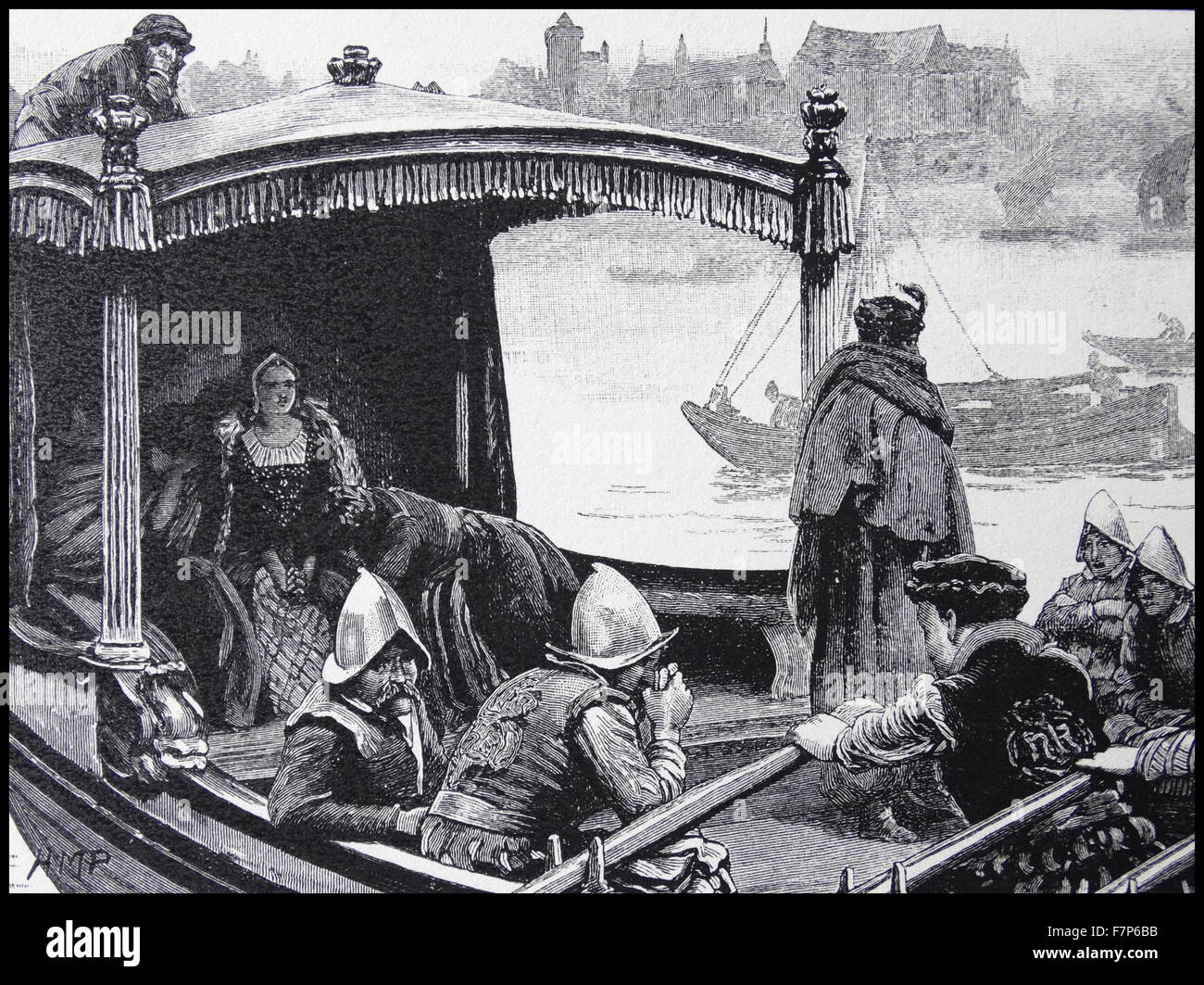
Some historians speculate that Katherine may have been buried elsewhere entirely, contrary to established burial practices for executed royals. This theory raises more questions than answers, as there is no contemporary record to support such a claim.

The most chilling theory posits that grave robbers could have stolen her remains. While this was a common practice in the past, the idea of an entire skeleton being removed without notice seems far-fetched.
As the mystery remains unsolved, the search for Katherine Howard’s body continues to captivate historians and the public alike. Could modern technology and archaeology finally unveil the truth behind her disappearance?

If new excavations were permitted, there may still be hope for uncovering her remains. However, the royal chapel’s status as a protected site complicates any potential investigation. The quest for answers about Katherine Howard’s fate remains a tantalizing enigma, a story of love, betrayal, and the relentless pursuit of history.
As we await further developments, the legacy of Katherine Howard endures, a haunting reminder of the tragic lives entwined in the Tudor court. What happened to her body? The answer remains buried in the annals of history, waiting to be discovered.
