The brutal winter of 1757-58 descended upon the English colonies of North America like a shroud of death, a season so horrific that it would forever be etched into the annals of frontier warfare as a testament to the savagery that defined the French and Indian War. In the wake of the catastrophic fall of Fort William Henry, the fragile promises of civilized warfare were shattered, replaced by a reign of terror that saw prisoners forced into cannibalism and entire settlements erased from the map. The conflict, which had begun as a struggle for empire between Britain and France, had devolved into a harrowing fight for survival against an enemy that seemed to embody the very wilderness itself, leaving the English settlers to endure a winter of profound discontent and unimaginable suffering.
The seeds of this desperate season were sown in August, when the French General Montcalm achieved a stunning victory by capturing Fort William Henry. The subsequent massacre of the surrendered English garrison by Montcalm’s Indian allies was a harbinger of the horrors to come, a brutal violation of the terms of capitulation that sent shockwaves of fear and outrage throughout the colonies. Hundreds of prisoners, including women and children, were seized as the fort fell, dragged away into the vast, untamed wilderness as captives of the various tribes allied to the French crown.
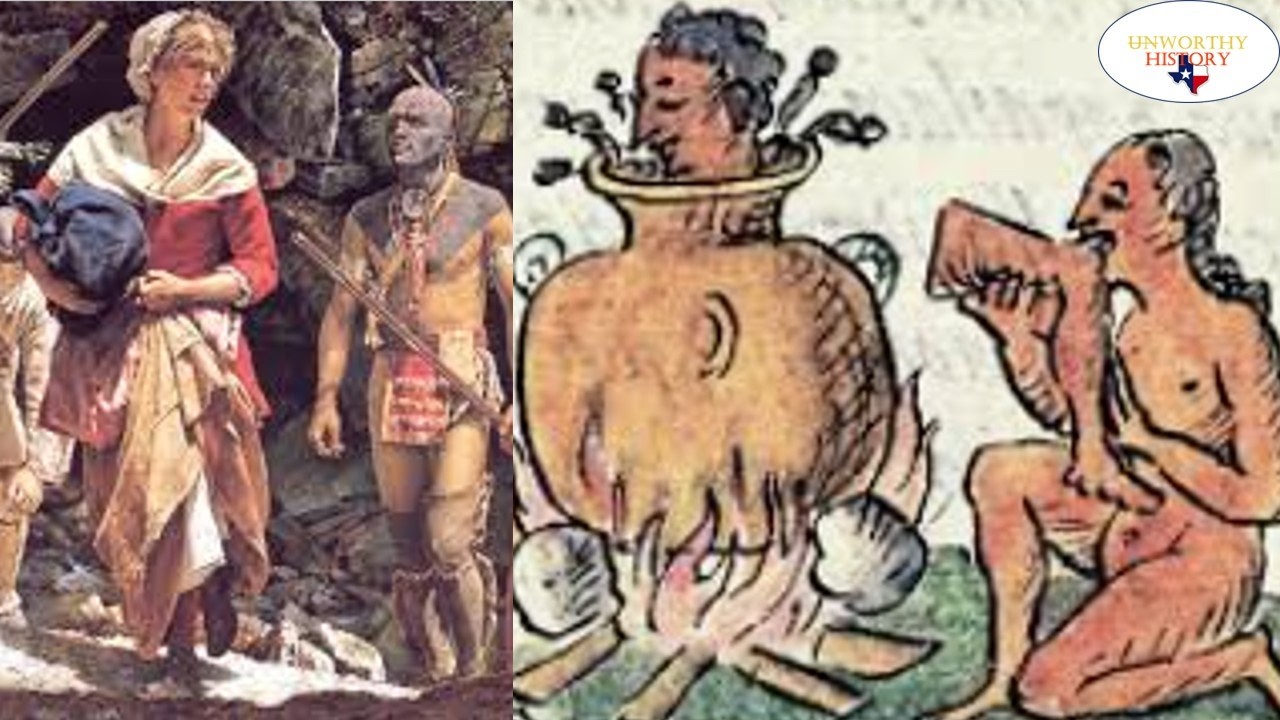 These unfortunate souls were marched north towards Montreal, their futures sealed in a nightmare of uncertainty and terror, their fates resting in the hands of captors who operated under a completely different code of war.
As the autumn leaves withered and the first snows began to fall, the reality of their predicament became starkly clear. The Indian allies of the French, flush with victory and eager to return to their villages with their spoils, paraded their human cargo through the streets of Montreal. The arrival of these prisoners, roughly two hundred in number, was met with a mixture of curiosity and horror by the French colonists.
Governor Vaudreuil, the French governor of Canada, publicly rebuked the Indians for breaking the capitulation, but his words were hollow and his actions feckless. Instead of forcefully demanding the release of the prisoners, he resorted to a pathetic attempt at appeasement, buying back a few of the captives with kegs of brandy, a decision that would have catastrophic and immediate consequences.
The brandy, far from being a solution, was the catalyst for an atrocity that would stain the reputation of the French command forever. The intoxicated warriors, their bloodlust already high, turned their fury upon the remaining prisoners in their possession. A French officer, Bougainville, who was present in Montreal, recorded the scene with a shudder of revulsion, describing how the savages, in full view of the town, killed one of the prisoners, put him into a kettle, and forced his wretched countrymen to eat of him.
This was not an isolated incident of madness; it was a systematic act of terror. Other French writers of the period confirmed the horror, adding the chilling detail that mothers were compelled to eat the flesh of their own children, a diabolical cruelty designed to break the spirit of the English settlers completely.
The French administration, led by the corrupt Intendant Bigot and the weak-willed Governor Vaudreuil, did little to stop the carnage. Their primary concern was not the welfare of the English prisoners, but the preservation of their alliances with the native tribes, whom they viewed as indispensable tools of war. Rigaud, a French officer, declared that the western tribes must be sent home satisfied at any cost, a policy that effectively sanctioned the murder and torture of innocents in the name of political expediency.
The savages were allowed to roam the streets of Montreal, knife in hand, threatening and insulting the inhabitants at will, while the governor loaded them with gifts, hoping that their cruelty would relent. This obsequiousness to their “red allies” was a shameful chapter in the history of New France, a policy that prioritized military advantage over basic humanity.
The terror was not confined to the streets of Montreal. The frontier settlements of New York, which had been living in fear since the fall of Fort William Henry, were about to feel the full weight of the French and Indian wrath. In November, a force of three hundred colonial troops, Canadians, and Indians under the command of an officer named Belletre descended upon a thriving community of German peasants known as German Flats.
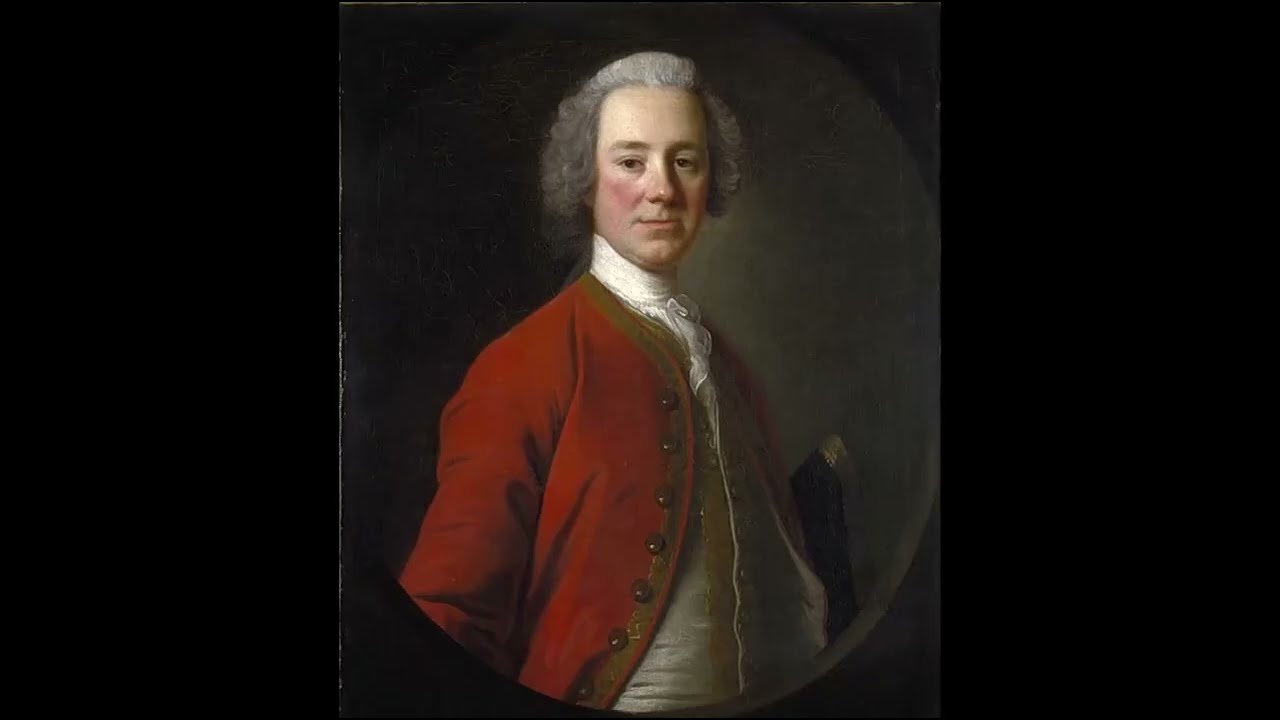 The settlers, who had tried to remain neutral in the conflict, were woken at three in the morning by the terrifying sound of war cries as the attackers stormed their small picket forts. The settlement was completely destroyed; sixty dwellings, barns, and outhouses were put to the torch, and the landscape was turned into a slaughter field. Forty or fifty of the inhabitants were killed, and over a hundred and fifty, mostly women and children, were taken prisoner, their lives upended in a single, devastating stroke.
Governor Vaudreuil, reporting the attack to his superiors in France, crowed with pompous egotism about his success. He boasted that he had ruined the plans of the English, disposed the Five Nations to attack them, and carried consternation and terror into all those parts. The attack on German Flats was a strategic message, a brutal demonstration that no settlement, no matter how remote or neutral, was safe from the reach of the French war machine.
The English response was impotent; a detachment sent from nearby Fort Herkimer was too weak to stop the havoc, and by the time reinforcements arrived, the enemy was gone, leaving behind only the smoldering ruins and the mutilated bodies of the dead.
Meanwhile, the winter closed in on the English forces with a severity that matched the cruelty of their enemies. The militia, which had poured into Fort Edward in a frenzy of panic after the fall of Fort William Henry, quickly became a mutinous mob. Thousands of men were bivouacked in the fields without tents, blankets, or kettles, their morale shattered by the news of the massacre and their disgust at the lack of leadership.
They declared they were ready to fight but not to lie still and freeze, and desertions became rampant. Officers threatened to shoot the deserters, a sergeant was shot, and the entire camp was thrown into disorder until the commander, General Webb, finally sent the demoralized men back to their homes, a fitting end to a campaign of utter failure for the British.
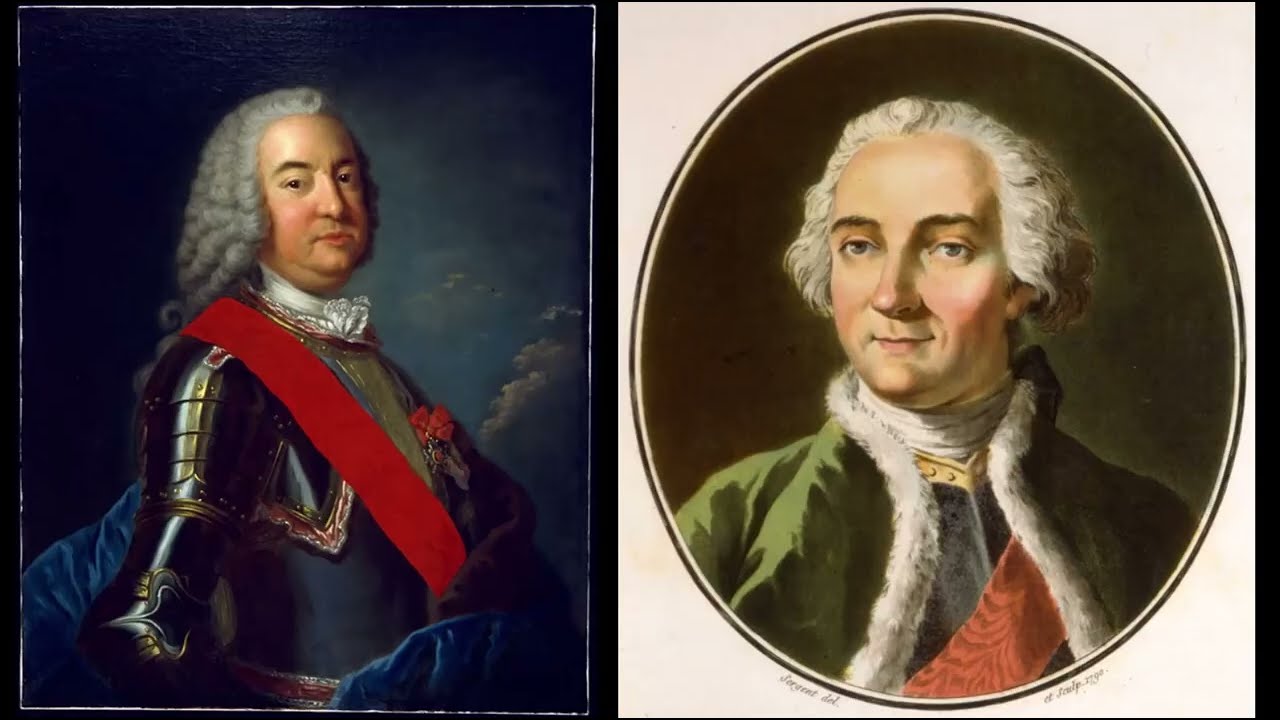
The winter of discontent was not only a time of suffering for the English prisoners and settlers but also a period of deep anxiety and intrigue for the French command. While the English colonies reeled from the shock of defeat, the French leaders in Quebec and Montreal were consumed by petty rivalries and personal grievances. General Montcalm, the victor of Fort William Henry, found himself at odds with Governor Vaudreuil, who was jealous of his success and constantly scheming to undermine him.
Montcalm, a man of refinement and culture, was disgusted by the savagery he had been forced to employ and bored by the social life of Quebec, writing to his wife of his longing for peace and for her. He complained of the rising cost of everything, the balls, and the furious gambling, and his letters are filled with a profound sense of ennui and disillusionment.
 The public distress in the French colonies was a stark contrast to the hollow gaieties of the ruling class. By midwinter, a severe shortage of flour gripped Montreal, and the authorities were forced to reduce rations, supplementing the meager supply with horseflesh. This proved to be the breaking point for the populace.
A mob gathered before the governor’s house, and a deputation of women beset him, crying out that the horse was the friend of man and that religion forbade him to be eaten. Vaudreuil threatened them with imprisonment and hanging, but his threats had little effect. The unrest spread to the soldiers, who broke into mutiny, and it was only through the firm and tactful intervention of the Chevalier de Lévis, who threatened death to the first soldier who refused the horseflesh while assuring them he ate it himself, that the storm was quelled.
The suffering of the English prisoners, however, was on a scale that dwarfed the inconveniences of the French colonists. The stories of forced cannibalism, of mothers eating their children, are among the most harrowing accounts to emerge from the entire conflict. These were not isolated acts of random violence but were used as a deliberate tool of psychological warfare, a way to demonstrate the utter powerlessness of the captives and the terrifying nature of their captors.
The fact that these acts were committed with the tacit approval, or at least the passive indifference, of the French authorities, who were more concerned with placating their allies than protecting their prisoners, remains a dark stain on the French conduct of the war.
The winter also brought a strange and grim retribution upon the Indian allies of the French. In their lust for plunder and trophies, they had dug up and scalped the corpses in the graveyard of Fort William Henry, many of whom had died of smallpox. In doing so, they contracted the deadly disease, which is said to have made great havoc among their villages.
This ironic twist of fate, a punishment delivered not by the English but by the very germs of the dead, was a grim reminder that the horrors of war were indiscriminate in their reach. It also stands in stark contrast to the popular narrative that smallpox was only spread to the Indians through contaminated blankets given by the colonists; here, the disease was spread by their own actions, a self-inflicted wound born of a barbaric custom.
As the deep snows of March began to recede, the focus of the war shifted back to the frozen landscape around Lake George. The English rangers, the elite light infantry of the colonial forces, were determined to strike back at the French. A force of 180 rangers under the command of the famed Major Robert Rogers set out on a scouting party towards the French stronghold of Ticonderoga.
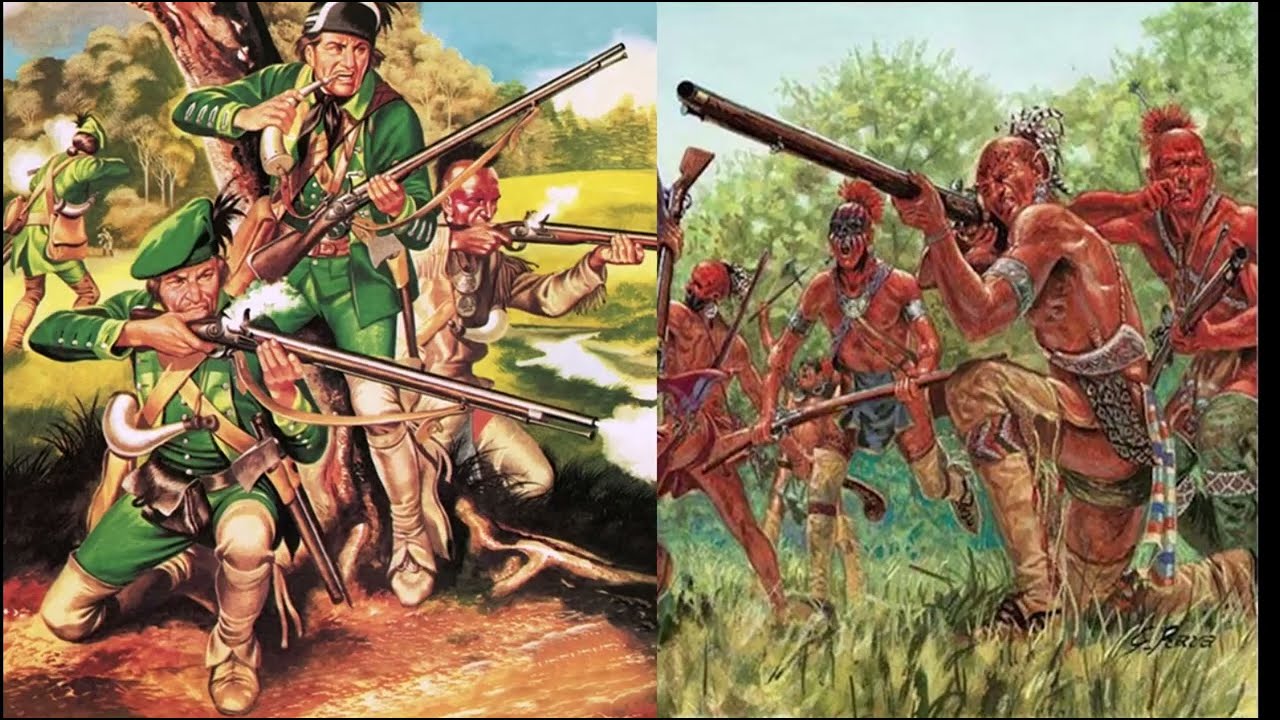 Their mission was one of reconnaissance and harassment, but they were walking into a trap. The French commander at Ticonderoga, Hebecourt, had just received a significant reinforcement of mission Indians and Canadians, and their scouts, guided by what they believed to be supernatural warnings, were already on the hunt for the approaching English.
On the 13th of March, in a frozen mountain gorge near Trout Brook, the two forces collided. The Rangers, caught in a brutal ambush, fought with desperate courage against overwhelming numbers. The battle raged for hours, the woods ringing with yells and musketry, the combatants often no more than twenty yards apart.
The Rangers fought with stubborn desperation, twice repulsing the enemy, but in the end, they were overwhelmed. Eight officers and more than a hundred rangers lay dead or wounded in the snow. The survivors, including Rogers himself, were forced to flee, escaping up the mountains and enduring two days of unimaginable misery before regaining the safety of Fort Edward.
The French and their Indian allies, having suffered heavy losses themselves, took their revenge on the prisoners, murdering the wounded and tying the captured officers to trees to be hacked to pieces.
The fate of the two British volunteers who survived the battle, Captain Pringle and Lieutenant Roche, is a testament to the sheer brutality of the wilderness. Separated from the other fugitives, they wandered for days, lost in a labyrinth of nameless mountains, wading through snowdrifts and struggling through fallen trees. They had no food, no blankets, and no compass, and their only guide, a servant of Rogers, was delirious and led them in circles until he finally sat down in the snow and died.
After days of suffering, they found themselves within three miles of the French fort at Ticonderoga. Realizing their situation was hopeless, they surrendered, and were saved from the Indians just in time by a group of French officers. They were kindly treated and eventually exchanged, but their ordeal remains a powerful symbol of the desperate struggle for survival that defined the winter of 1757-58.
The winter of discontent was a pivotal moment in the French and Indian War, a period that revealed the true nature of the conflict. It was a war not just of pitched battles and sieges but of brutal frontier raids, of massacres and counter-massacres, of a savagery that shocked even the hardened veterans of European warfare. The stories of cannibalism, of the destruction of German Flats, and of the desperate fight on Lake George paint a picture of a conflict that was as much about survival as it was about empire.
The English colonies, reeling from the disasters of 1757, were forced to confront the very real possibility of their own annihilation, a fear that would galvanize them for the struggles to come and ultimately shape the destiny of a continent.
