The world watched in stunned silence on Christmas Day, 1989, as grainy, chaotic footage emerged from a military base in Târgoviște, Romania, showing the immediate aftermath of a summary execution that would forever alter the nation’s history. Nicolae Ceaușescu, the man who had ruled Romania with an iron fist for over two decades, and his wife Elena, lay dead against a blood-spattered wall, their bodies slumped in the cold winter air. The video, hastily broadcast on Romanian state television and then beamed across the globe, was not just a record of a death; it was the visceral, unvarnished conclusion to a revolution that had erupted in just a matter of days, a final, brutal act that shattered the myth of an untouchable dictator.
The footage, raw and devoid of the polish of state propaganda, showed the chaotic trial that preceded the execution. It was a scene of confusion and raised voices, a far cry from the grand halls of power Ceaușescu had once commanded. The deposed leader, his voice strained and defiant, refused to recognize the legitimacy of the hastily assembled military tribunal.
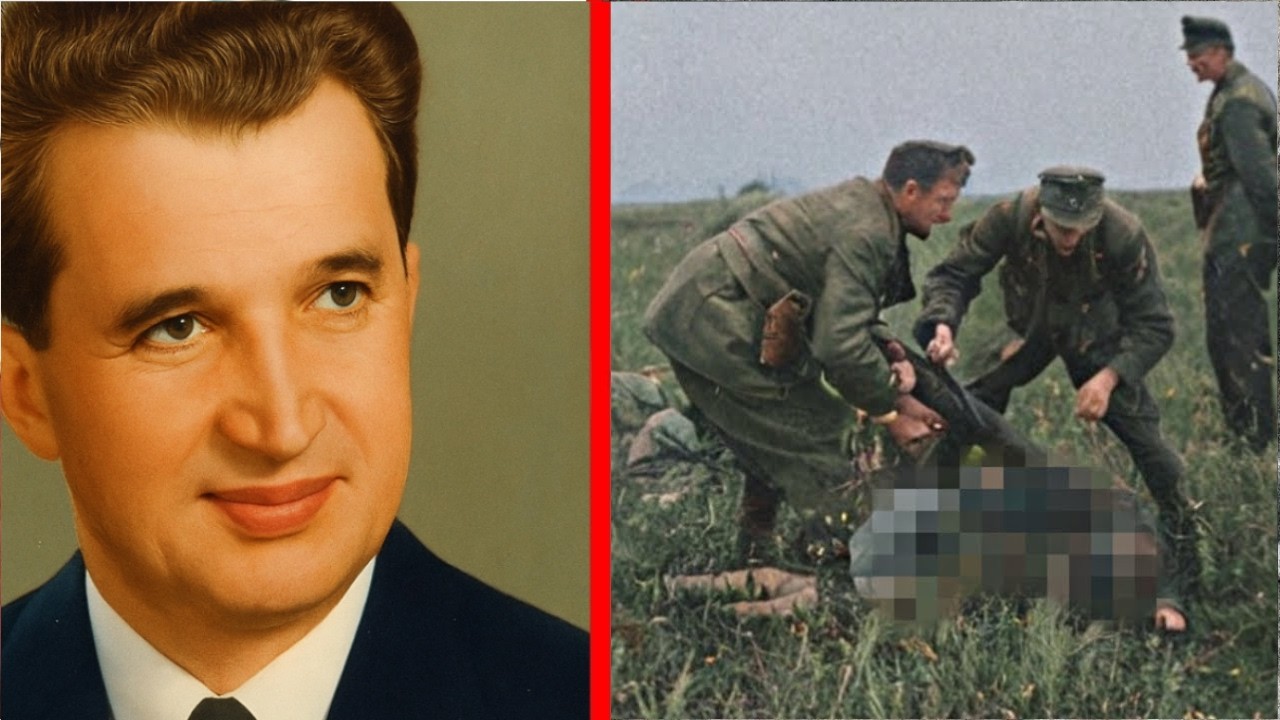 “I do not recognize this court,” he shouted, insisting that only the Great National Assembly could remove him from power. Elena, visibly agitated, echoed his defiance, dismissing the proceedings as a coup. The entire spectacle lasted less than an hour, a rushed and predetermined affair that offered no real defense and no avenue for appeal, leaving the world to witness a justice that was swift, brutal, and undeniably political.
The fall of Ceaușescu was as swift as it was dramatic, a collapse that took place over a period of just over a week. For decades, he had maintained a grip on power through a pervasive network of fear, embodied by the Securitate, the secret police. With hundreds of thousands of informants, the regime had created a society where trust was a liability and silence was a survival tactic.
Yet, by 1989, the extreme austerity measures he had imposed to pay off Romania’s foreign debt had pushed the population to a breaking point. Food shortages, daily power cuts, and freezing apartments had created a powder keg of resentment, and the spark that ignited it came in the city of Timișoara.
The initial protest began as a small, local action in support of László Tőkés, a Hungarian pastor who had dared to criticize the regime. But the government’s heavy-handed response transformed a minor incident into a national uprising. When security forces opened fire on the crowd on December 17th, killing dozens, the violence did not quell the dissent; it inflamed it.
The news of the Timișoara massacre spread like wildfire, and the anger that had been simmering for years finally boiled over. The regime’s carefully constructed wall of fear began to crack, and the cracks quickly became chasms.
The decisive moment came on December 21st, when Ceaușescu, in a desperate attempt to reassert control, organized a massive rally in Bucharest. The event was staged with the usual propaganda machinery, with workers bused in and banners raised, but the carefully choreographed performance collapsed in a matter of minutes. As Ceaușescu spoke from the balcony of the Central Committee building, a murmur of dissent rose from the crowd, quickly escalating into a roar of boos and chants of “Timisoara!”
The live broadcast captured his utter shock and confusion as he raised his hand, trying to silence the crowd that had turned on him. It was a moment of profound psychological rupture, witnessed by millions across the country, who saw their leader not as a “genius of the Carpathians,” but as a man who had lost control.
 The next day, the revolution reached its tipping point. The army, which had been the regime’s ultimate guarantor of power, began to waver. The death of Defense Minister Vasile Milea, under murky circumstances, further destabilized the military’s chain of command.
Soldiers, many of them young conscripts who had grown up in the same poverty as the protesters, began to refuse orders to fire on civilians. Tanks that had been sent to crush the uprising were instead surrounded by cheering crowds. With the military’s loyalty in question, Ceaușescu’s power evaporated.
At around noon on December 22nd, he and Elena fled the Central Committee building by helicopter, a desperate escape that would end just hours later when they were captured by the army near Târgoviște.
The capture of the Ceaușescus left the country in a precarious state. The National Salvation Front, a new group led by Ion Iliescu, had seized power, but the situation on the ground was still volatile, with sporadic gunfire and rumors of loyalist forces. The decision to hold a trial and execute the couple was made in this atmosphere of intense fear and uncertainty.
The new leadership feared that a living Ceaușescu could become a rallying point for a counter-revolution, a symbol for those who wished to restore the old order. The trial, held in a small room in a military barracks, was a rushed affair, a formality designed to legitimize a decision that had already been made.
The execution itself was a grim, chaotic spectacle. Nicolae and Elena Ceaușescu were led into a courtyard and placed against a wall. Their hands were tied, and no blindfolds were used.
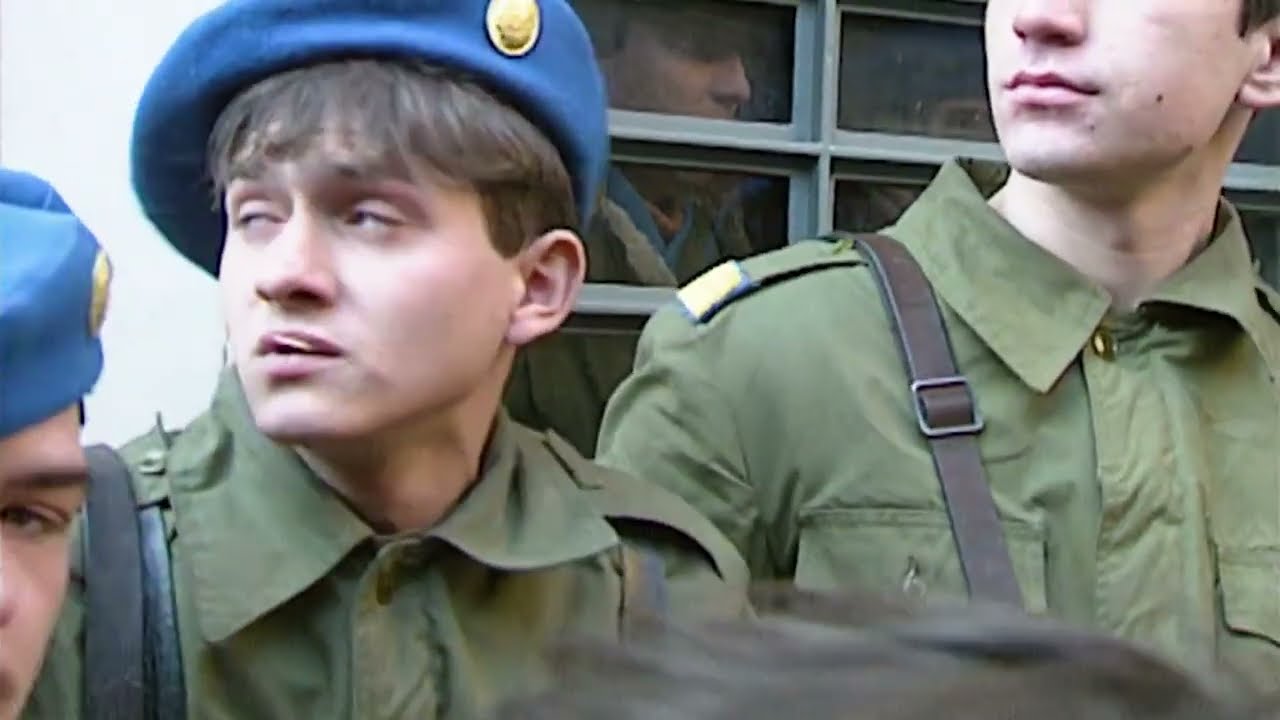 The firing squad, a group of paratroopers, opened fire with a hail of bullets, killing both instantly. The entire event took only seconds, but the aftermath, captured on video, would be broadcast around the world. The footage of their bullet-riddled bodies lying on the ground was a stark, undeniable image that signaled the definitive end of an era.
For the Romanian people, it was a cathartic, if violent, release from decades of oppression. For the international community, it was a shocking glimpse into the raw, unscripted nature of a revolution.
The leaked footage had a profound and immediate impact. Within Romania, it served as a brutal confirmation that the dictator was truly gone, a final, bloody punctuation mark to the revolution. The image of the once-feared leader, now powerless and dead, was a powerful symbol of liberation.
Internationally, the footage became one of the defining images of the fall of communism in Eastern Europe. It was a stark contrast to the relatively peaceful transitions in other countries like Poland and Hungary, and it underscored the unique brutality of the Ceaușescu regime. The world was not just reading about the end of a dictatorship; it was watching the final, violent act unfold in real time.
The legacy of that Christmas Day execution remains deeply complex and contested. For many Romanians, it was a necessary act of justice, a way to ensure that the old regime could never return. They saw it as a just punishment for the decades of suffering, the hunger, the fear, and the thousands of deaths.
However, for others, the rushed trial and summary execution were a troubling sign of what was to come. The lack of due process and the secretive nature of the proceedings raised questions about the new leadership’s commitment to the rule of law. The execution, they argue, was less about justice and more about eliminating a political threat and consolidating power.
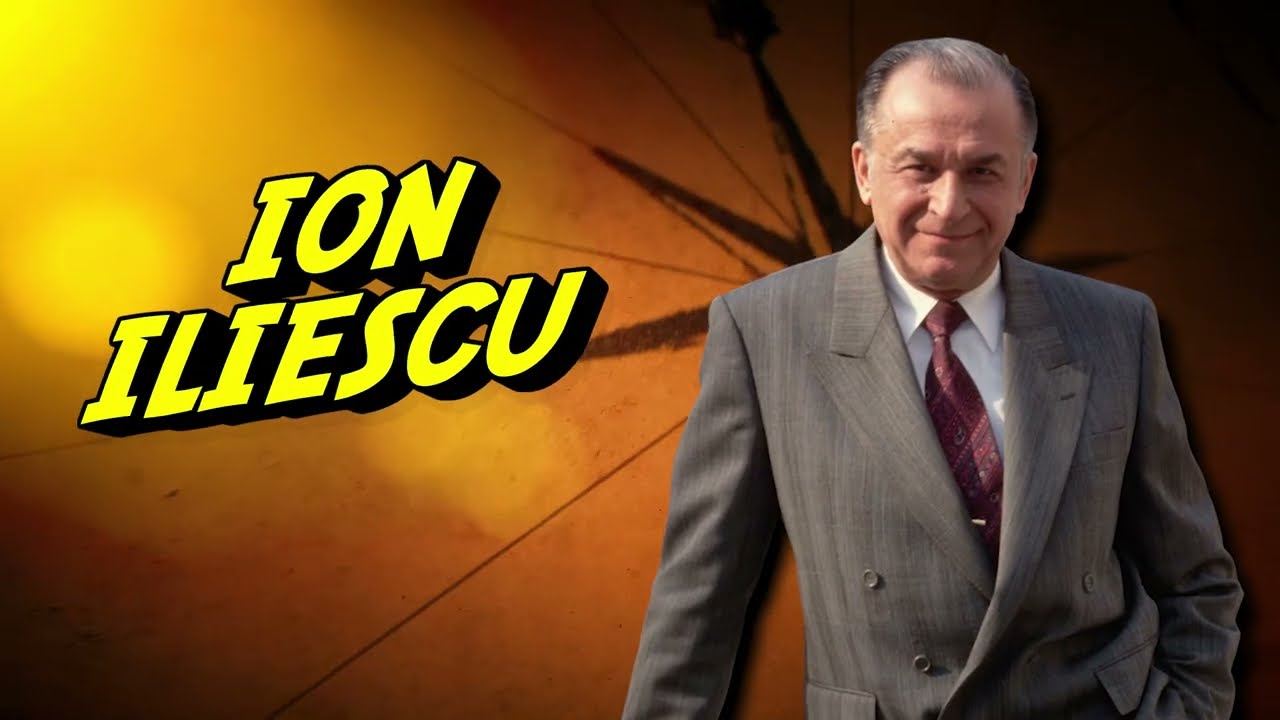 The trial and execution of the Ceaușescus also set a precedent for how Romania would navigate its transition to democracy. The new government, led by the National Salvation Front, was largely composed of former communist officials, including Ion Iliescu himself. This led to accusations that the revolution had been hijacked, that the old guard had simply swapped one form of authoritarianism for another.
The violent end of the Ceaușescus did not automatically usher in an era of peace and prosperity. The country was left with a deeply damaged economy, a fractured society, and the lingering trauma of decades of totalitarian rule.
The footage of the execution, which was so widely broadcast in the days following the event, has since become a historical artifact, a chilling reminder of the fragility of power and the ferocity of popular revolt. It is a testament to the power of images to shape our understanding of history. The grainy, shaky video from Târgoviște is not just a record of a single event; it is a symbol of the collapse of an entire system of control.
It shows that even the most powerful dictators, those who seem invincible and untouchable, can be brought down in a matter of days when the people they oppress finally find the courage to rise up.
The events of December 1989 in Romania were a whirlwind of violence, confusion, and hope. The public execution of Nicolae and Elena Ceaușescu, captured on film and leaked to the world, was the dramatic climax of that revolution. It was a moment that shocked the conscience of the world and provided a stark, unforgettable image of the end of an era.
The story of how a man who controlled millions with absolute fear ended his life against a wall in a military courtyard is a powerful and cautionary tale about the limits of power and the enduring human desire for freedom. The leaked footage remains a permanent, haunting record of that truth, a raw and unflinching look at the moment a dictatorship died.
