The dense jungles of South Vietnam concealed a reality far more harrowing than the conventional battlefield, where the Viet Cong’s mastery of asymmetric warfare transformed the very terrain into a weapon of unimaginable cruelty. For the American soldiers who served between 1955 and 1975, the threat was not merely the enemy they could see, but the invisible, meticulously crafted devices hidden beneath their feet, designed not just to kill, but to maim, infect, and psychologically dismantle an entire fighting force. The Viet Cong, also known as the National Liberation Front, operated as a decentralized yet fiercely ideological movement, blending regular soldiers with local villagers, all united by the singular goal of unifying Vietnam under communist rule and expelling foreign influence, particularly that of the United States.
Their methods, rooted in nationalism and anti-imperialism, were as relentless as they were brutal, leaving an indelible scar on the psyche of a generation of veterans and reshaping the very nature of modern warfare.
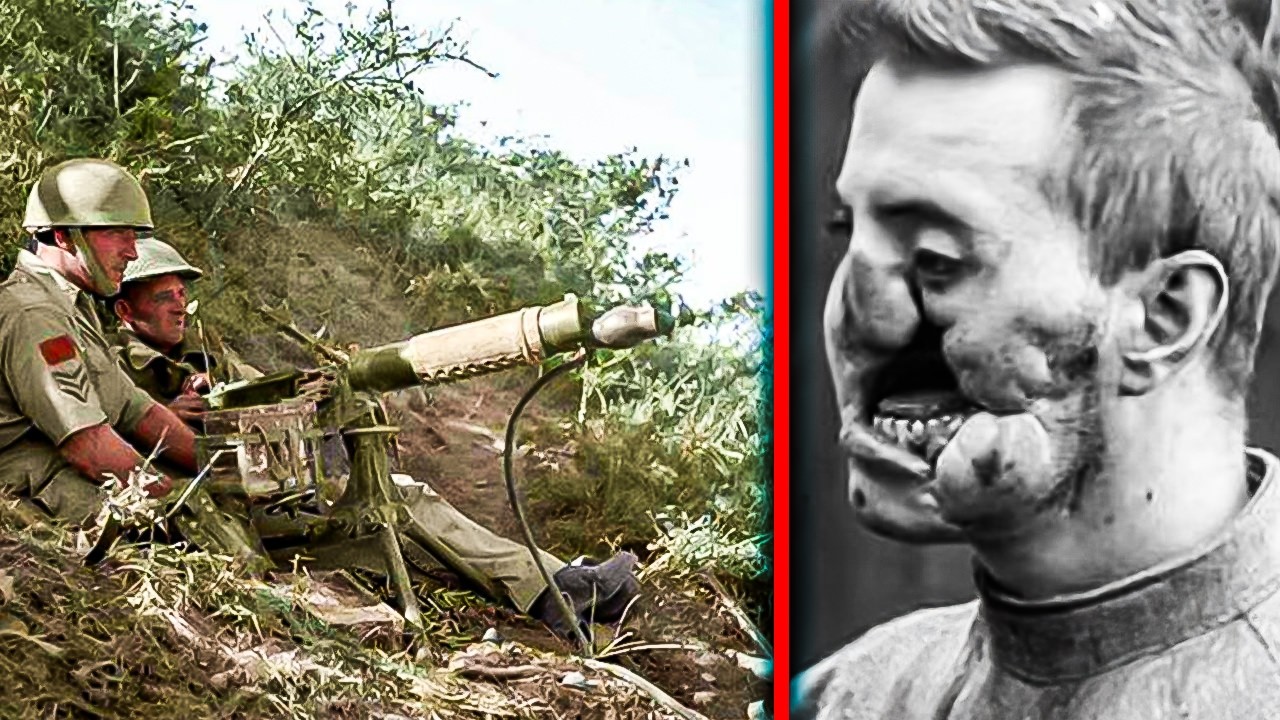 The most insidious threat came from the ground itself, where the Viet Cong’s ingenuity in crafting booby traps turned every patrol into a deadly gamble. Among the simplest yet most devastating were the punji stakes, sharpened bamboo sticks concealed in tall grass or under shallow water, often coated with animal waste or poison to ensure that even a superficial wound would fester into a life-threatening infection. A soldier who stepped on a punji stake faced not only immediate agony but the prospect of a slow, debilitating decline, transforming a minor misstep into a potential death sentence.
This was a calculated strategy, as the Viet Cong understood that a wounded soldier required the immediate attention of multiple comrades, effectively halting a platoon’s momentum and sowing chaos within its ranks. The psychological toll was immense; every step became a test of vigilance, and the jungle, once a natural obstacle, evolved into a psychological battlefield where paranoia was a survival instinct.
Beyond the punji stakes, the Viet Cong deployed a terrifying arsenal of improvised explosive devices and mechanical traps designed to maximize suffering. The infamous Bouncing Betty mine, for instance, was engineered to leap to waist height before detonating, spraying shrapnel into the vital organs of its victims and causing catastrophic, often fatal, injuries. Similarly, the toe popper, a nearly invisible small mine, was designed to shatter the bones of a soldier’s foot, ensuring that even survivors were permanently incapacitated and required extensive evacuation efforts.
These devices were not random; they were placed with strategic precision in high-traffic areas, near water sources, and along likely avenues of approach, ensuring maximum impact. The sheer volume of casualties inflicted by these traps created a logistical nightmare for American forces, as medical evacuation became a primary objective, further slowing offensive operations and draining morale. The Viet Cong’s goal was not merely to kill but to overwhelm the enemy’s capacity to respond, using the environment as a force multiplier that negated American technological superiority.
The Viet Cong’s tactical brilliance extended far below the surface, where an extensive network of tunnels served as a hidden battleground, allowing them to operate with impunity in areas heavily patrolled by US troops. These were not simple escape routes but self-sufficient underground complexes, some stretching over 120 miles, complete with medical facilities, sleeping quarters, weapon storage, and even kitchens. The tunnels, originally constructed in the 1940s to resist French colonial forces, became a crucial strategic asset, particularly in the Cu Chi district northwest of Saigon.
 From these subterranean fortresses, the Viet Cong could launch surprise attacks, then vanish without a trace, leaving US troops to confront an empty landscape that offered no tangible enemy to engage. Life in these tunnels was a study in endurance, characterized by darkness, cramped quarters, stifling heat, and a constant scarcity of food and clean water. Disease spread rapidly in such unsanitary conditions, yet for the Viet Cong, the ability to hide and fight beneath the ground was a decisive advantage that allowed them to outmaneuver and outlast a better-equipped adversary.
Maintaining these tunnel networks demanded an immense labor force, often conscripted from the local population, blurring the line between civilian and combatant. Entire communities were compelled to participate in the war effort, some out of ideological loyalty, but many more out of sheer terror of the consequences of refusal. Men, women, and even children were forced to dig and reinforce these tunnels, working in perilous proximity to explosives and under the constant threat of American detection.
Villagers lived in a state of perpetual fear, knowing that their involvement could be discovered by US forces or that failing to meet Viet Cong demands would result in severe punishment, including execution. For these ordinary people, the tunnels represented a dual reality: a strategic resource for the resistance and a prison from which there was no escape. The war infiltrated every aspect of their lives, forcing families to make heartbreaking decisions as sons, fathers, and daughters were taken from their homes, often receiving minimal training before being thrust into a conflict that cared nothing for their personal dreams or beliefs.
The Viet Cong’s ideological rigidity also manifested in a brutal campaign against those they deemed obstacles to their revolutionary vision, targeting landowners, religious leaders, and other influential figures. Land redistribution was a core policy, and wealthy landowners who resisted were forcibly relocated or executed, a tactic designed not only to weaken the South Vietnamese government but to instill terror among villagers who feared they might be next. Religious gatherings were restricted, and any leader who spoke out against Viet Cong policies risked imprisonment or death.
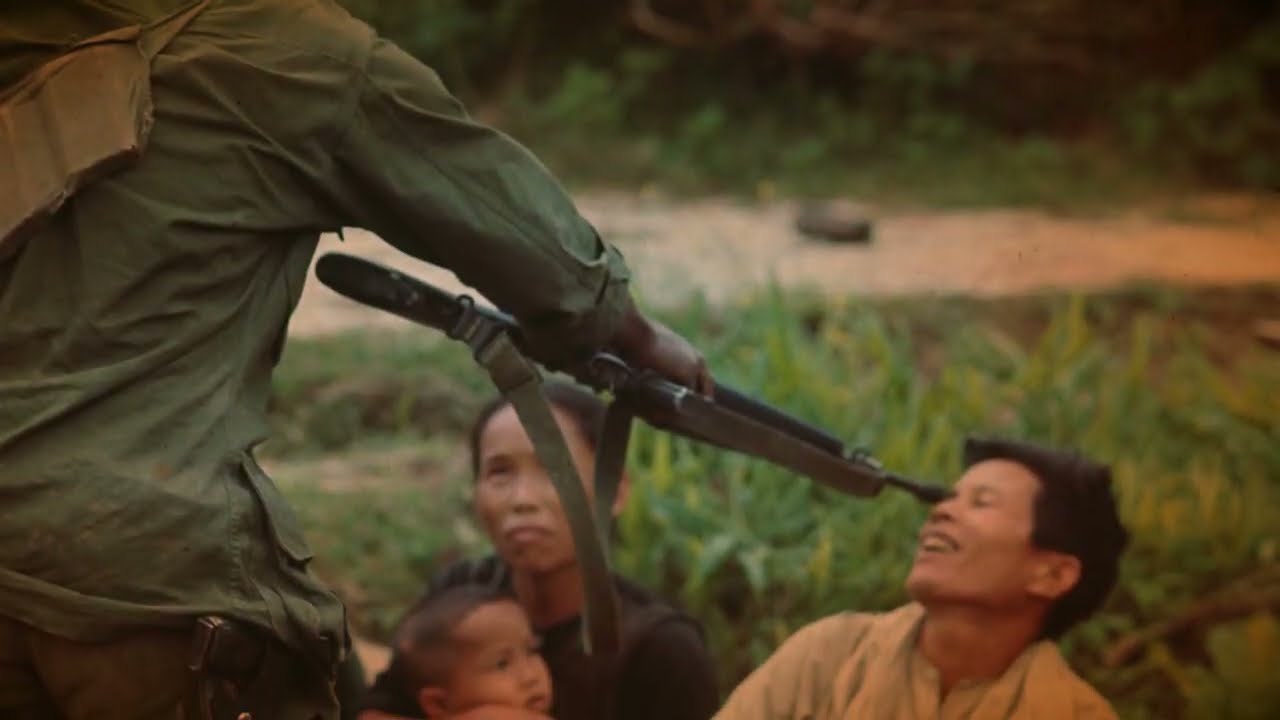 This terror campaign was systematic and calculated, focusing on teachers, village chiefs, police officers, and government officials who represented authority and could sway public opinion. The Viet Cong employed public executions, kidnappings, and intimidation to eliminate opposition and force compliance, often staging public trials where the outcome was predetermined. These spectacles of violence were not merely punitive; they were carefully orchestrated warnings to the entire community, demonstrating the dire consequences of collaboration with the South Vietnamese or American forces.
For American soldiers who fell into Viet Cong hands, captivity was a descent into a nightmare of physical and psychological torment. The Viet Cong justified brutality as a means of extracting information, and torture methods were both inventive and relentless, designed to break the spirit and compel confession. Prisoners endured extreme deprivation, including solitary confinement, limited food, and a complete lack of adequate medical care, which led to rampant disease and a slow deterioration of health.
The story of Senator John McCain, shot down during a bombing mission in 1967 and held captive for over five years, exemplifies this ordeal. McCain faced repeated torture, beatings, and mental anguish, yet his resilience became a testament to the human spirit’s capacity to endure. The Viet Cong also utilized prisoners for propaganda purposes, most notably in the Hanoi March, where captured American soldiers were paraded through the streets to demoralize the US military and public.
The infamous Hoa Lo prison, sarcastically nicknamed the “Hanoi Hilton,” became synonymous with these atrocities, where daily life was a relentless cycle of deprivation and psychological warfare, leaving survivors with lasting scars of anxiety, depression, and post-traumatic stress disorder.
 The strategic impact of these tactics culminated in the eventual withdrawal of US forces, formalized by the Paris Peace Accords on January 27, 1973. The agreement, negotiated by US Secretary of State Henry Kissinger, marked the official end of American combat involvement, but it was a fragile peace that failed to halt the conflict. The South Vietnamese military, the Army of the Republic of Vietnam (ARVN), was left to defend the nation with significantly reduced American support, a task for which it was ill-prepared.
The ARVN struggled to adapt to the loss of US firepower, and morale plummeted as the Viet Cong and North Vietnamese Army (NVA) intensified their guerrilla activities. The Easter Offensive of March 1972 had already exposed the ARVN’s vulnerabilities, and despite a temporary repulse with US air support, the fundamental weakness of the South Vietnamese position was undeniable. By early 1975, the NVA launched a massive conventional offensive that rapidly overwhelmed ARVN defenses, leading to the collapse of South Vietnam and the fall of Saigon on April 30, 1975.
The city’s capture marked the end of the war, with North Vietnamese tanks rolling through the streets as thousands of civilians and soldiers desperately attempted to flee.
The reunification of Vietnam under communist control on July 2, 1976, formally ended the conflict, but the legacy of the Viet Cong’s actions continues to reverberate. The war left deep physical and emotional scars across the nation, with countless families mourning lost loved ones and grappling with divided loyalties and intergenerational trauma. The Viet Cong’s legacy remains a complex tapestry of national pride and painful memory, a reminder of the brutal cost of ideological conflict.
For the American soldiers who faced the punji stakes, the bouncing betties, and the psychological warfare of the tunnels, the war was a transformative experience that challenged their perceptions of courage, survival, and the nature of humanity. The tactics employed by the Viet Cong were not merely military strategies; they were a reflection of a desperate struggle for national identity, fought with every tool available, from the sharpened bamboo stake to the hidden tunnel, leaving an enduring imprint on the history of warfare and the collective memory of a generation.
