The echoes of gunfire and the screams of the dying have long faded from the streets of Dhaka, but the memory of the horrors that unfolded in 1971 remains a festering wound on the conscience of the subcontinent. A newly surfaced and comprehensive video transcript has thrust the brutal details of Pakistan’s military crackdown back into the global spotlight, detailing a campaign of systematic atrocities so profound that they challenge the very limits of human comprehension. The documentary-style account, which has just been released, meticulously chronicles the descent from a democratic election into a maelstrom of genocide, mass rape, and ethnic cleansing that led to the creation of Bangladesh but left a legacy of unacknowledged trauma.
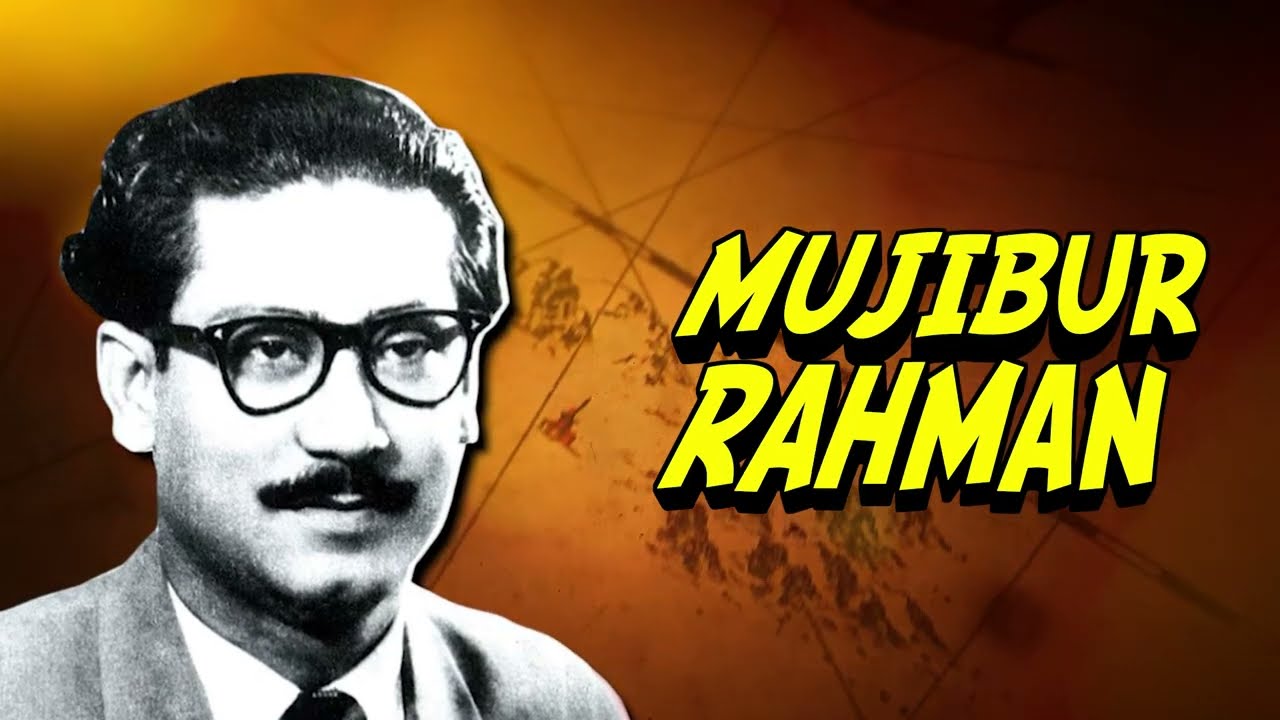
The narrative begins not with war, but with a promise of democracy. On December 7th, 1970, the Awami League, a party representing the Bengali majority of East Pakistan, achieved a stunning and decisive victory in Pakistan’s first general elections. The party, led by Sheikh Mujibur Rahman, secured 160 out of 162 seats allocated to East Pakistan, giving it an absolute majority in the 300-seat national assembly.
 This electoral triumph, however, was not a path to power but a prelude to catastrophe. The West Pakistani establishment, dominated by the military and political elites, was stunned and refused to accept the results, viewing the Awami League’s demand for autonomy as a direct threat to the unity of the state.
The transcript highlights a deep-seated and long-standing marginalization of East Pakistan that fueled the crisis. Despite having a larger population, the eastern wing was treated as a colonial backwater. The political and administrative centers of the country were firmly entrenched in the west, and the military and civil services were overwhelmingly dominated by West Pakistanis.
By the mid-1950s, out of 741 top civil servants, only 51 were Bengali. This systemic discrimination, coupled with cultural prejudices that viewed Bengalis as “lesser Muslims” due to their later conversion to Islam, created a powder keg of resentment that was waiting for a spark.
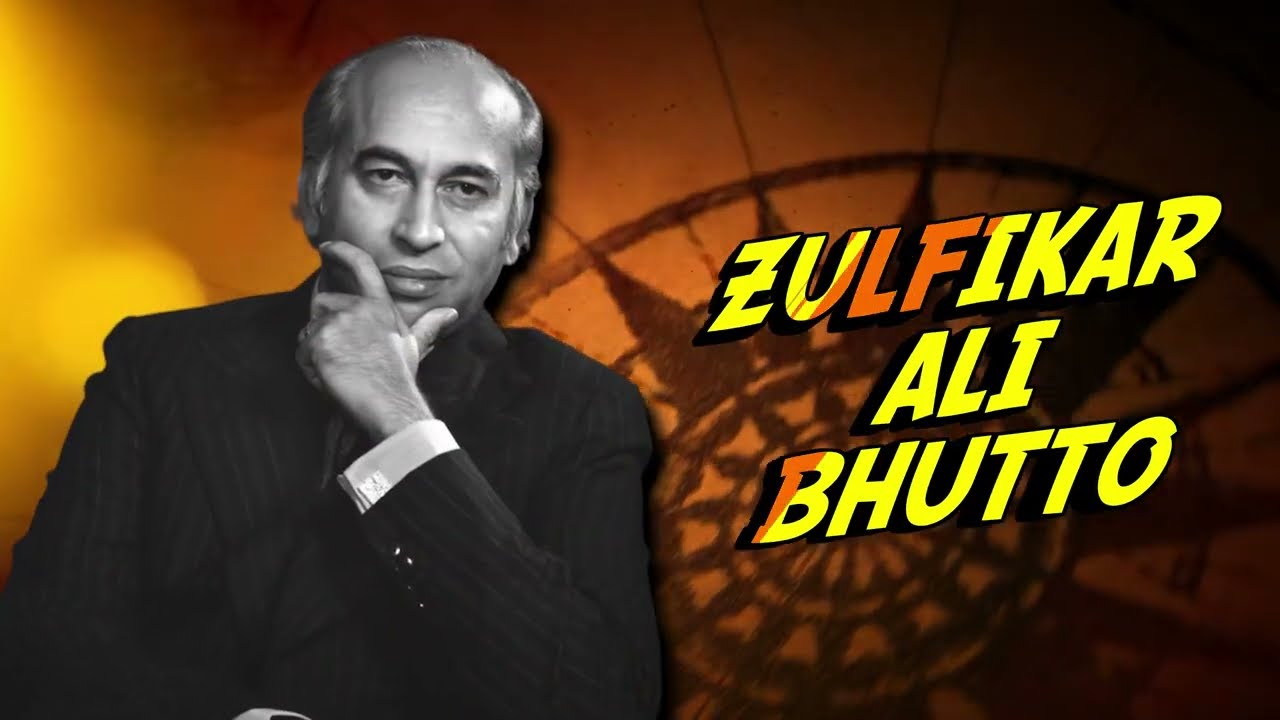
The spark came in the form of political intransigence. When negotiations between President Yahya Khan and Sheikh Mujib over the transfer of power and autonomy stalled, the military leadership chose a path of violent suppression over political compromise. The transcript provides a chilling, minute-by-minute account of Operation Searchlight, the premeditated military invasion launched on March 25, 1971.
At 23:30 hours, a 12,000-strong Pakistani army, supported by air, artillery, and tanks, launched coordinated attacks across the entire province, with the primary focus on the capital, Dhaka.
The assault on Dhaka University, a hub of intellectual and political support for the Awami League, was particularly barbaric. The transcript quotes a professor, Rafi Islam, who witnessed the carnage firsthand: “I don’t have the words to express the bestiality and barbarity that was perpetuated on the Dhaka University area… the heaped bodies of the dead from the slum were also set on fire…
 the smell of gunpowder and the stench of the burning corpses all transformed the area into a fiery hell.” Students and professors were systematically hunted down and executed. In one dormitory assault, 34 non-Muslim students were lined up, shot, and thrown into a mass grave.
By the end of the first day alone, an estimated 7,000 civilians were killed in Dhaka.
The violence was not random; it was a calculated campaign of ethnic and religious cleansing. The transcript reveals that Hindus were particularly targeted, seen as supporters of the Awami League and potential sympathizers of India. The army, often in collaboration with local Islamist militias known as Razakars, executed Hindus in mass operations.
On March 26th, 212 Bengali Hindus were killed in the Shankhari Bazar area of old Dhaka. On April 23rd, more than 3,000 Hindus were slaughtered in Jai Bangla, forced to stand in lines and gunned down by machine fire. The worst massacre occurred in Chuknagar, a small town near the Indian border, where fleeing refugees were encircled and subjected to indiscriminate shooting.
The transcript states that “the river runs red with the blood of the victims.”
 Beyond the mass killings, the war was defined by its horrific sexual violence. The transcript estimates that between 200,000 and 400,000 women were raped during the conflict. Hindu women bore the brunt of this brutality, with thousands taken as “war booty.”
Many were forced into military brothels where they served the army for months. This was not a byproduct of war but a deliberate strategy of terror, encouraged by religious leaders and sanctioned by military officials, designed to break the spirit of the Bengali nation and destroy its social fabric.
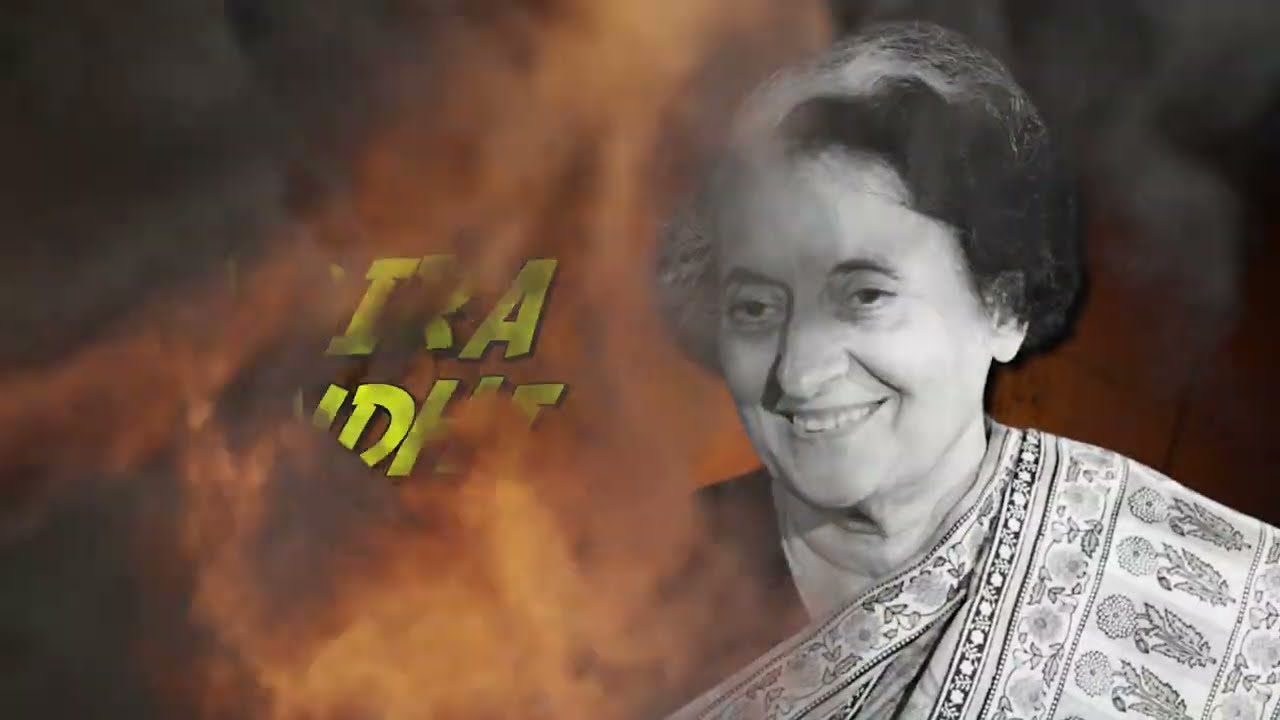
The scale of the atrocities forced a massive refugee crisis, with an estimated 10 million desperate people fleeing to India. This exodus, and the strategic opportunity it presented, drew India into the conflict. The transcript details the diplomatic tightrope walked by Indian Prime Minister Indira Gandhi, who initially hesitated to intervene but was compelled by the humanitarian catastrophe and the strategic imperative to weaken its perennial rival.
India provided arms and training to the Mukti Bahini, the Bengali resistance force, transforming it into a formidable army. The transcript notes that Gandhi’s diplomatic efforts were a “master class” in international maneuvering, securing support from the Soviet Union while navigating the treacherous waters of American and Chinese alliances.
Pakistan’s fatal mistake came on December 3rd, 1971, when its air force launched a preemptive strike on Indian airfields, attempting to emulate Israel’s surprise attack in the Six-Day War. The attack failed and provided India with the perfect justification for a full-scale invasion. In less than two weeks, the combined Indian and Mukti Bahini forces marched into Dhaka, forcing the Pakistani army to surrender on December 16th, 1971.
 Bangladesh was finally independent, but the victory was bittersweet.
The transcript reveals the final, most calculated act of genocide occurred in the war’s dying days. As defeat loomed, the Pakistani army and its collaborators launched a systematic campaign to decapitate the new nation. On December 14th, 1971, in what is now known as the “intellectual massacre,” professors, doctors, writers, and university students were rounded up across Dhaka, blindfolded, and executed.
This was a deliberate effort to deprive Bangladesh of its intellectual foundation and ensure its future instability. The transcript chillingly states that “everything speaks for genocide,” listing the targeted killings of ethnic minorities, the mass executions of the male population, and the systematic rape of women as meeting all conditions of the UN Genocide Convention.
The aftermath of independence did not bring peace. The transcript outlines the tragic post-war trajectory, including the assassination of Sheikh Mujibur Rahman in 1975, a military coup that plunged the young nation into decades of authoritarian rule and political turbulence. The victims of the 1971 genocide were largely neglected by the new state, which was shattered by war and lacked resources.
Women who had been raped were stigmatized and left without support, while displaced families faced immense hardships.
Most significantly, the transcript emphasizes that international justice has never been served. Despite overwhelming evidence, including footage of the atrocities, mass graves, and eyewitness accounts from survivors and foreign journalists, Pakistan has consistently denied that a genocide occurred. The global community, including the United States and the United Nations, has never officially recognized the events of 1971 as a genocide.
This lack of formal acknowledgement and accountability perpetuates a lingering sense of injustice for Bangladesh. The tragedy of 1971 remains a painful, unresolved chapter in regional and international history, a stark reminder that when the world fails to bear witness, the wounds of the past are left to fester, unhealed and unacknowledged.
