The silence was the most unnerving part. For weeks, the German high command on Crete had operated under the assumption that their island fortress was impenetrable, a bastion of Nazi authority in the eastern Mediterranean. That illusion shattered in the span of a few heartbeats on the night of April 26th, 1944, when Generalmajor Heinrich Kreipe, the commander of the 22nd Air Landing Infantry Division, was snatched from his staff car on a darkened road outside Heraklion.
There were no explosions, no gunfire, and no alarms raised. There was only a routine checkpoint, a moment of confusion, and the sudden, humiliating realization that the men in German uniforms were not German at all. The operation was a calculated act of psychological warfare, a brazen demonstration that the Nazi occupation could be breached at its very top, and it succeeded beyond the wildest expectations of the Allied officers who dared to plan it.
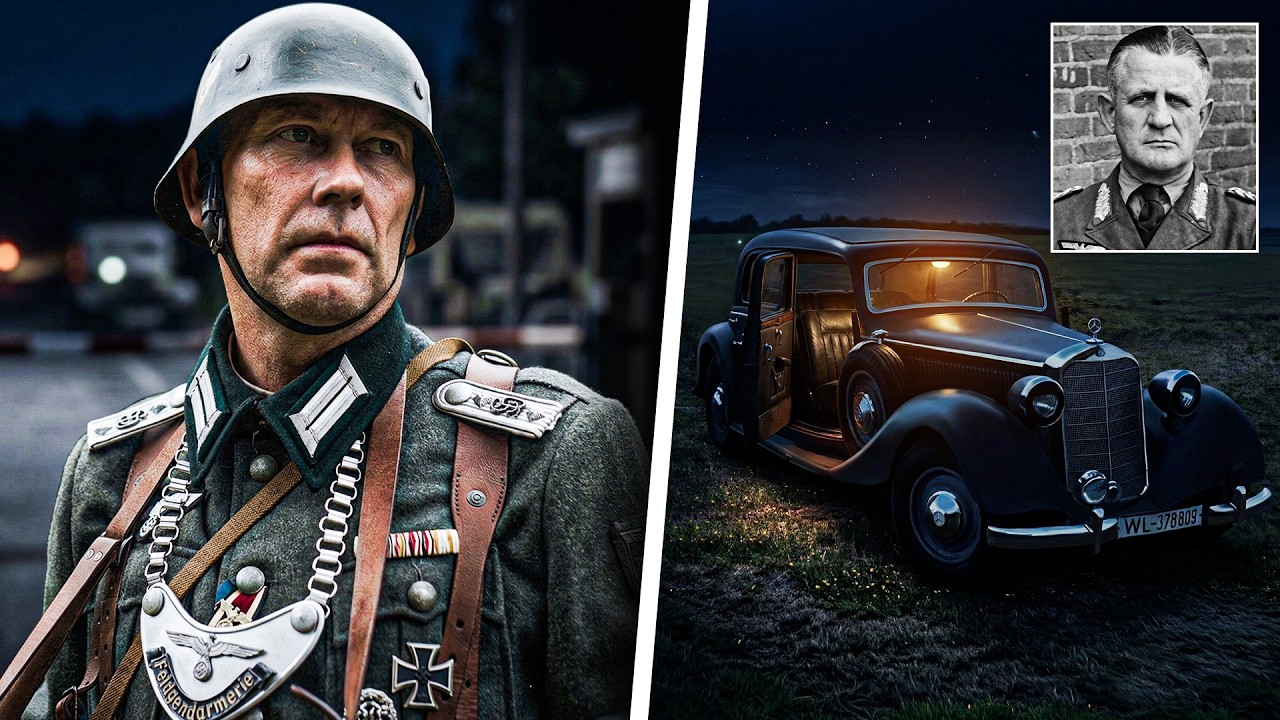 The abduction of General Kreipe was not a spontaneous act of wartime opportunism. It was the culmination of months of meticulous planning, daring reconnaissance, and an intimate understanding of the rugged, unforgiving terrain of Crete. The island itself had been a thorn in the side of the Axis powers since the disastrous German airborne invasion of May 1941.
Operation Mercury, as it was known, was a Pyrrhic victory for the Wehrmacht. The elite Fallschirmjäger, or paratroopers, suffered catastrophic casualties during the opening days of the assault, cut down by a determined combination of Allied troops and armed Cretan civilians who refused to surrender. While the island ultimately fell, the spirit of resistance never died.
It simmered in the mountains, fueled by the brutality of the occupiers and the unwavering support of the local population.
By 1944, the strategic value of Crete had shifted. The front lines of the war had moved westward, towards Italy and the beaches of Normandy. Retaking the island was no longer a military priority for the Allies.
However, the island remained a potent symbol of defiance. The British Special Operations Executive (SOE), operating with a degree of autonomy that was unusual for the time, recognized that a successful operation against a high-ranking German officer would send a shockwave through the occupation forces. It would prove that no one was safe, that the Nazi authority was fragile, and that the resistance, supported by the Allies, could strike at the heart of the enemy’s command structure.
The target was initially General Friedrich Wilhelm Müller, a commander whose name had become synonymous with atrocity.
Müller’s tenure as commander of the 22nd Air Landing Infantry Division was marked by a campaign of terror that sought to crush the resistance through collective punishment. His counterinsurgency tactics were infamous, involving mass arrests, the systematic burning of villages, and the execution of hundreds of civilians in reprisal for partisan attacks. The massacre at Viannos in September 1943, where over 500 civilians were killed, was ordered under his command.
Müller was a man who answered to Luftwaffe General Bruno Bräuer, the island’s overall commander, but it was Müller’s brutal methods that hardened the resolve of the Cretan people rather than breaking it. The resistance networks, working in concert with British intelligence, grew bolder, and the mountains remained a hostile, ungovernable territory for the German patrols.
The plan, conceived by the SOE, was audacious in its simplicity and its risk. The primary objective was to kidnap Müller and spirit him away to Cairo, a move that would be a devastating blow to German morale. However, intelligence is a fluid commodity, and by the time the British team was in position in early April 1944, Müller had been reassigned.
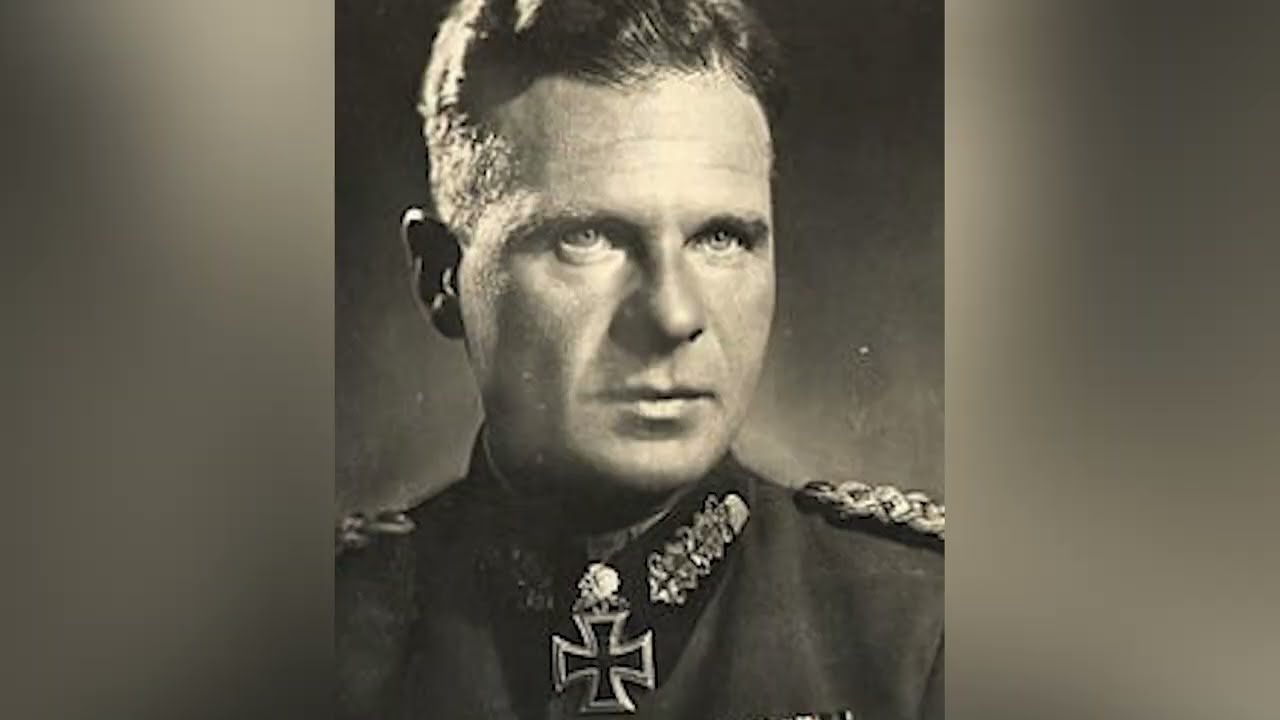 His replacement was Heinrich Kreipe, a decorated veteran of the Eastern Front. Kreipe was not considered lenient, but he was seen as more disciplined and predictable than his predecessor. The SOE team, led by the legendary Major Patrick Leigh Fermor and the methodical Captain William Stanley Moss, made a critical decision.
They would proceed with the operation, adjusting their target to Kreipe. The mission was no longer about punishing a war criminal; it was about demonstrating the reach of the Allies.
Leigh Fermor was a figure of immense charisma and courage, a man who had lived in Crete before the war and spoke fluent Greek. He moved among the villagers not as a foreign agent, but as a familiar and trusted presence. He was the soul of the operation, the man who could navigate the complex social and political landscape of the resistance.
Moss, younger and more analytical, was the architect of the plan. He spent weeks studying Kreipe’s routines, his patrol schedules, and the layout of the roads around Heraklion. The operation required precision, as there would be no second chance.
The team was heavily reliant on the Cretan resistance fighters, who provided safe houses, scouts, and guides, all while carrying the immense risk of German reprisals against their families and villages.
The execution of the plan was a masterpiece of deception. On the night of April 26th, Leigh Fermor and Moss, dressed in the distinctive uniforms of the German Feldgendarmerie, or military police, took up a position at a narrow stretch of road outside Heraklion. Their German was fluent, their posture precise, and their uniforms were complete with the correct insignia and white gorgets.
To any passing driver, they were a routine checkpoint. Shortly after 9:30 p. m.
, Kreipe’s staff car approached, with the general seated in the back and his chauffeur at the wheel. As the car slowed, the driver saluted. In that instant, Moss stepped forward, wrenched open the driver’s door, and pulled the chauffeur from his seat, incapacitating him.
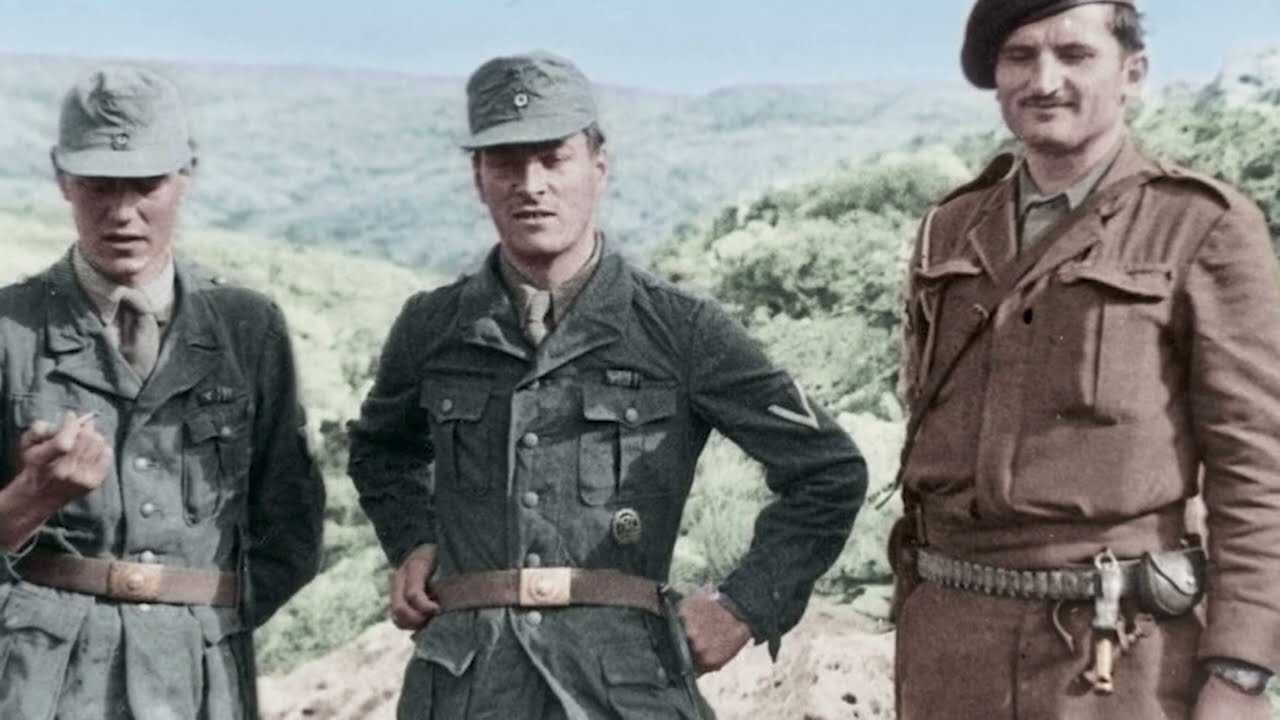 Simultaneously, Leigh Fermor opened the rear door and seized the general before he could react.
The entire confrontation lasted seconds. No shots were fired. The uniforms had done their work, and any distant observer would have seen nothing more than police officers handling a routine stop.
Kreipe was forced into the back seat of his own car, with a pistol pressed discreetly into his ribs. Moss took the wheel, and the car drove on, passing through a series of German checkpoints without challenge. The general’s presence in the car was their passport to freedom.
After clearing the city outskirts, the team abandoned the vehicle, leaving the chauffeur bound but alive to delay the discovery of the kidnapping. They left a note in the car, signed by British officers, stating that Kreipe had been taken by Allied forces and not by Cretan civilians, a move intended to mitigate the inevitable reprisals against the local population.
Once on foot, the operation shifted from a lightning-fast strike to a grueling test of endurance. The kidnappers moved inland, towards the White Mountains, following prearranged routes known only to local guides. Kreipe was told he was now a prisoner of war and that any resistance would only worsen his situation.
The escape took nearly three weeks. Progress was slow, with the group forced to walk at night over narrow, treacherous paths used for centuries by shepherds. During the day, they hid in caves and remote farm buildings.
The German countermeasures were immediate and severe. Roads were sealed, villages were searched, and orders were issued to recover Kreipe at any cost. Yet, the terrain was their ally.
German units, trained for conventional warfare, were ill-equipped for highland movement, and their radio coordination faltered in the mountains.
 The survival of the group depended entirely on the Cretan resistance. Food appeared quietly, fresh guides rotated in and out, and the wounded feet of the kidnappers were treated without complaint. Each helper understood the risk.
German doctrine on Crete linked resistance activity to collective punishment, and the threat of execution hung over every village. At times, German patrols passed within meters of their hiding places. On one occasion, a unit camped directly below a cave sheltering the group.
During this tense period, a famous episode occurred. While resting on a mountain ridge, Leigh Fermor and Kreipe reportedly recited lines from Horace in Latin, a moment of strange, shared humanity amidst the brutality of war. By May 13th, 1944, the group reached the southern coast near Rodas, having evaded the largest manhunt the island had ever seen.
Contact was made with British command, and a motor launch approached under the cover of darkness. On May 14th, Kreipe was transferred aboard and taken to Egypt, ending the operation. For the SOE, the mission was a resounding success.
No territory was gained and no units were destroyed, but a German general had been taken from under the nose of the occupation command. The message was unmistakable: Nazi authority could be broken. The psychological impact was immense, and the story of the kidnapping became a legend of the war.
However, the cost was paid in blood. The reprisals that followed were severe, with villages like Anogeia being razed to the ground in the months after the kidnapping. The German command, humiliated by the escape, unleashed a wave of terror on the civilian population, a grim reminder that the price of defiance was often paid by the innocent.
Kreipe was later moved to a prisoner-of-war camp in Canada, where he remained until 1947. Unlike his predecessor Müller, who was eventually tried and executed for war crimes, Kreipe was never prosecuted. He returned quietly to civilian life in West Germany.
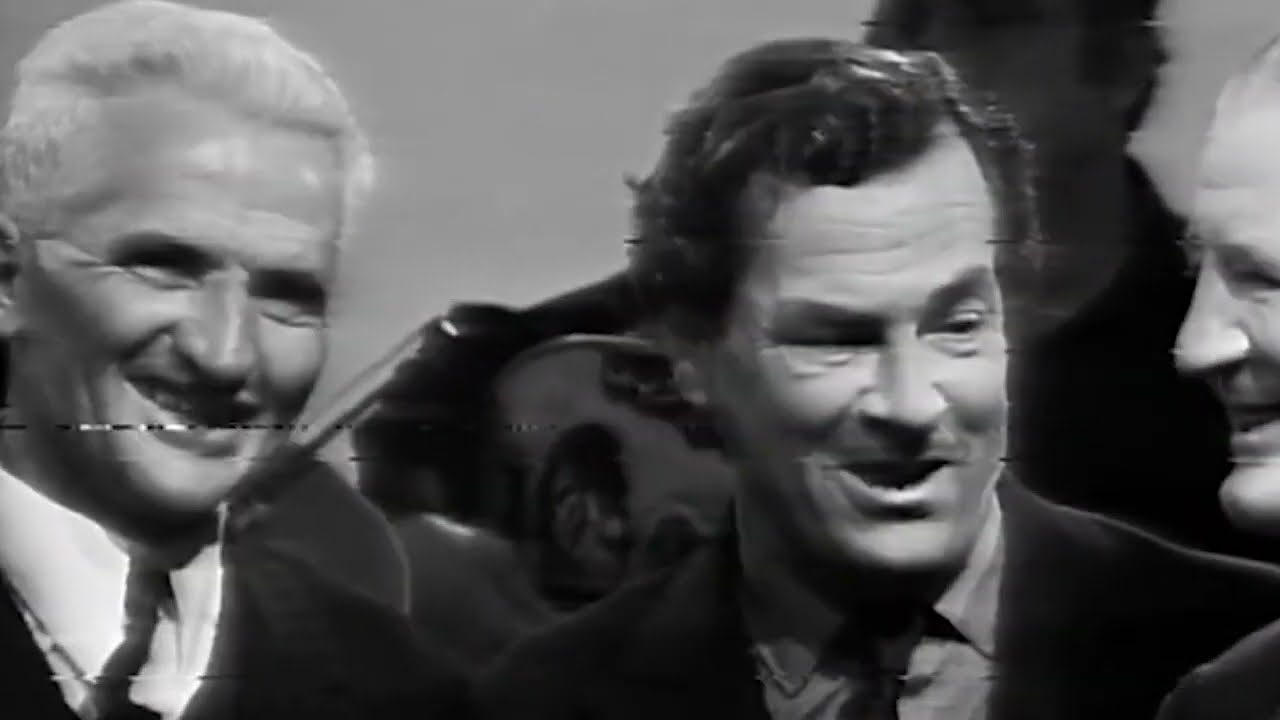
In a strange twist of history, in 1972, he met his former captors once more on Greek television, a surreal reunion between men who had shared horrors on a mountainside nearly three decades earlier. The legacy of Operation Kreipe remains complex. For Allied planners, it was a textbook example of unconventional warfare, a psychological victory that demonstrated the reach and resolve of the SOE.
For the people of Crete, it was a symbol of their unyielding resistance, but it was also a source of profound suffering. The raid proved that the Nazi war machine was not invincible, that its authority could be challenged and mocked, but it also served as a stark illustration of the terrible price of that defiance.
