A quarter-million men were condemned by a single, unyielding command from a distant headquarters, their fate sealed not on the open steppe but in the frozen ruins of a city that bore a dictator’s name. The cataclysmic destruction of the German Sixth Army at Stalingrad, culminating in its final surrender on February 2, 1943, stands as a stark monument to the lethal consequences of ideological obsession overriding military reality. Historians increasingly frame the event not merely as a defeat but as an institutional execution, orchestrated by the rigid dictates of Adolf Hitler.
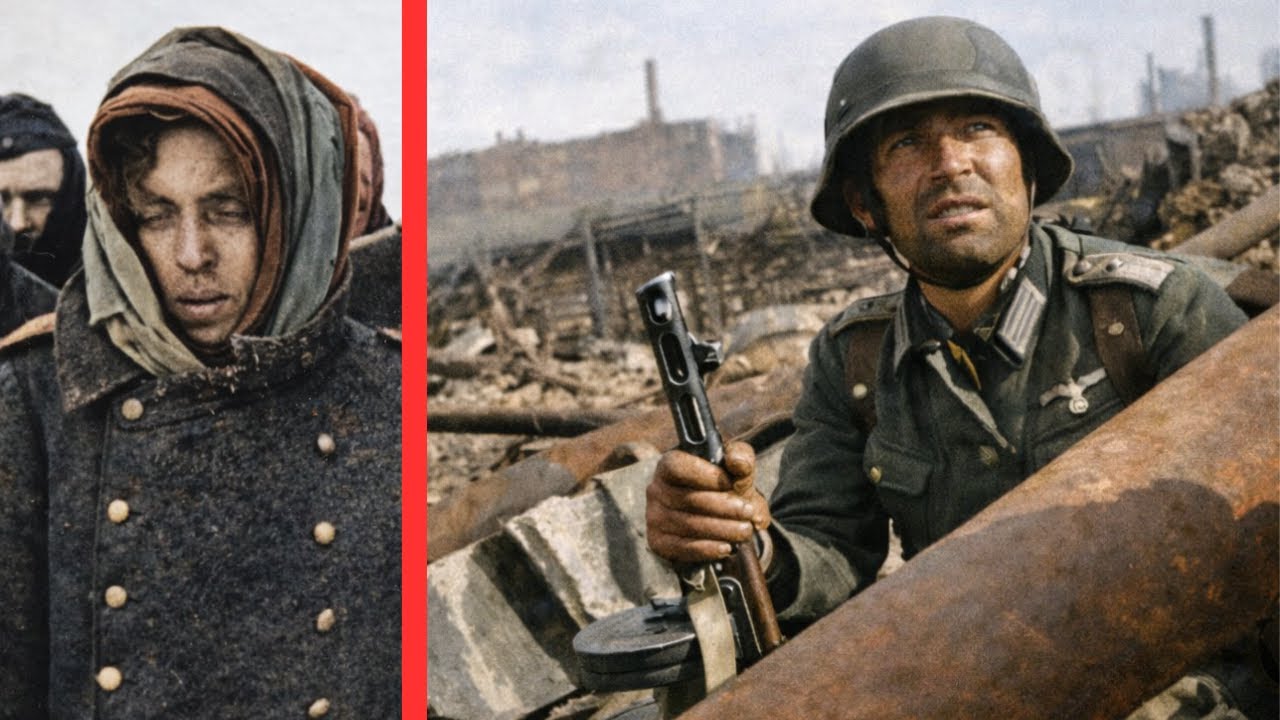 The stage was set in the summer of 1942 with Operation Blue, Germany’s desperate push for Caucasian oil. The Sixth Army, under General Friedrich Paulus, was tasked with securing the industrial and symbolic prize of Stalingrad. What followed was a descent into hellish urban combat, reducing the city to a labyrinth of rubble where survival was measured in meters. By November, the Germans held much of the carcass of Stalingrad but were exhausted and dangerously overextended.
Their flanks, held by under-equipped Romanian, Italian, and Hungarian allies, presented a fatal vulnerability. Soviet command, under Georgy Zhukov, expertly targeted this weakness. On November 19, 1942, Operation Uranus erupted as Soviet armored fists shattered the Axis lines north and south of the city. Within four days, the pincers met at Kalach, trapping the entire Sixth Army and elements of the Fourth Panzer Army in a vast encirclement.
A quarter of a million Axis soldiers were now imprisoned in the Kessel, the cauldron. In this critical moment, a window for escape remained open. Paulus and his staff radioed for permission to break out westward while his forces still retained mobility and fuel. Senior commanders, including Erich von Manstein, understood the impending disaster. Hitler’s response was absolute and catastrophic: stand and fight.
 The Führer’s order was buoyed by a fantastical promise: the Luftwaffe would supply the trapped army by air. This guarantee proved a death sentence. The airlift was a catastrophic failure from the outset, delivering a fraction of the 700 daily tons needed. Soviet fighters decimated transport aircraft, winter weather grounded flights, and captured airfields became useless. Starvation, frostbite, and ammunition scarcity became the army’s true enemies.
By December, conditions deteriorated beyond measure. Soldiers subsisted on slivers of bread and horsemeat, boiling leather for broth. Medical supplies vanished, leading to amputations without anesthesia. Frostbite crippled regiments as temperatures plunged to -30°C. Meanwhile, Manstein launched Operation Winter Storm, a relief effort that clawed to within 48 kilometers of the pocket. Paulus begged to break out to meet it.
Again, Hitler refused. The dictator insisted the Sixth Army hold Stalingrad to the last man, a symbolic imperative that overrode the salvation of his finest field army. Manstein, halted by fierce Soviet resistance, was forced to retreat. With that, the last hope for the Sixth Army evaporated. The once-proud force was reduced to isolated bands of starving men defending frozen ruins.

In a final, cynical gesture on January 30, 1943, Hitler promoted Paulus to Field Marshal, noting no German field marshal had ever surrendered. The message was clear: commit suicide or die fighting. Paulus, found in a basement headquarters, chose surrender the following day. The last northern pocket capitulated on February 2. Of approximately 90,000 men who trudged into captivity, fewer than 6,000 would ever return home.
The military and psychological shockwaves were immediate and profound. The myth of German invincibility on the Eastern Front was shattered. A complete field army had been annihilated, a loss from which the Wehrmacht never fully recovered. For the Soviet Union, Stalingrad became the defining symbol of the Great Patriotic War, the turning point that set the Red Army on its long march to Berlin.
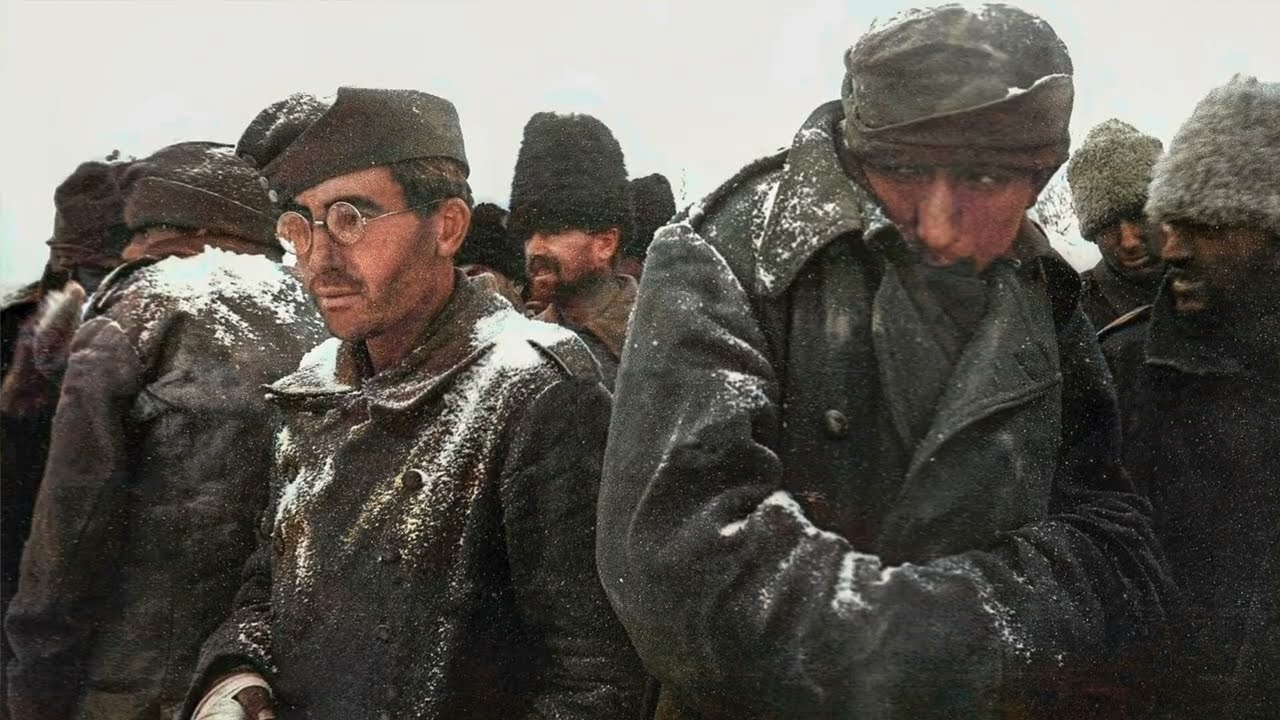 The tragedy, however, was not an inevitable result of Soviet might or the Russian winter. Analysis reveals it was a disaster authored in Berlin. The Sixth Army was not defeated in November when the encirclement closed; it was sentenced then. Hitler’ refusal to countenance retreat, his delusional faith in an impossible airlift, and his prioritization of a symbolic city over strategic necessity executed his own army.
Stalingrad marked a grim evolution in Hitler’s command, cementing a style of rigid, reality-denying control that would lead to further catastrophe. It demonstrated with brutal clarity how modern industrial warfare, demanding flexibility and logistical precision, could be undone by ideological hubris. The men of the Sixth Army fought with grim determination, but they were ultimately sacrificed on the altar of a dictator’s pride.
The legacy of Stalingrad endures as the ultimate cautionary tale of military command. It underscores that the strength of an army is not measured in its divisions alone, but in the wisdom, adaptability, and humanity of the leadership that directs it. When those elements are absent, even the most formidable force can be led, step by deliberate step, to its own destruction.
