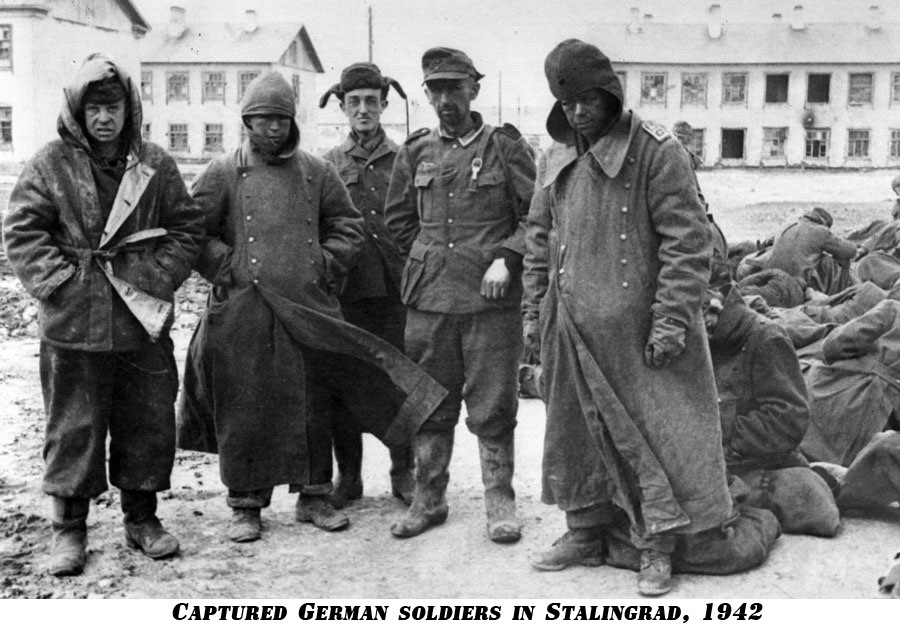
The frozen ruins of Stalingrad yielded a final, grim harvest in February 1943, as nearly 90,000 emaciated German and Axis soldiers shuffled into Soviet captivity, their surrender marking a catastrophic turning point in the Second World War. A pervasive historical myth suggests these men faced systematic execution, but newly emphasized historical analysis reveals a far more complex and tragic fate defined by starvation, disease, and systemic collapse.
 When Field Marshal Friedrich Paulus surrendered the remnants of the German Sixth Army, his troops were already dying. Encircled since November 1942, their supply lines severed, the defeated army was ravaged by frostbite, typhus, and starvation long before laying down arms. The Luftwaffe’s promised airlift failed catastrophically, leaving men to boil leather for soup and freeze to death in shattered buildings.
Contrary to popular belief, there was no Soviet directive for mass execution. Moscow had practical reasons to keep prisoners alive: they were a vital intelligence source, potent propaganda tools, and a desperately needed labor force for a shattered wartime economy. The Red Army sought to parade this stunning victory, not hide a massacre.
The immediate aftermath of surrender, however, was chaotic and brutal. In the emotionally charged ruins where Soviet soldiers had suffered immensely, isolated incidents of killings occurred. These were acts of vengeance or brutal necessity, not policy, as some frontline units lacked the means to guard or transport vast numbers of captives.

The true ordeal began with the marches. Prisoners, many without boots or proper winter gear, were force-marched over 100 kilometers in temperatures plunging below -20° Celsius to distant transit camps. Rations were minimal, often just thin soup or crusts of bread. Men collapsed from exhaustion and were left to die in the snow, their bodies lining the routes eastward.
Upon reaching the sprawling Gulag camp network, conditions remained lethal. The Soviet Union, itself reeling from invasion and scarcity, could not adequately house, feed, or care for this sudden influx. Camps were overcrowded, unheated, and ridden with disease. Medical supplies were virtually nonexistent.
Starvation weakened immune systems, leaving prisoners vulnerable to tuberculosis, pneumonia, and dysentery. Heavy labor assignments in logging, mining, and construction continued the physical attrition. The system was plagued by inefficiency and corruption, further diverting meager supplies away from the prisoners.
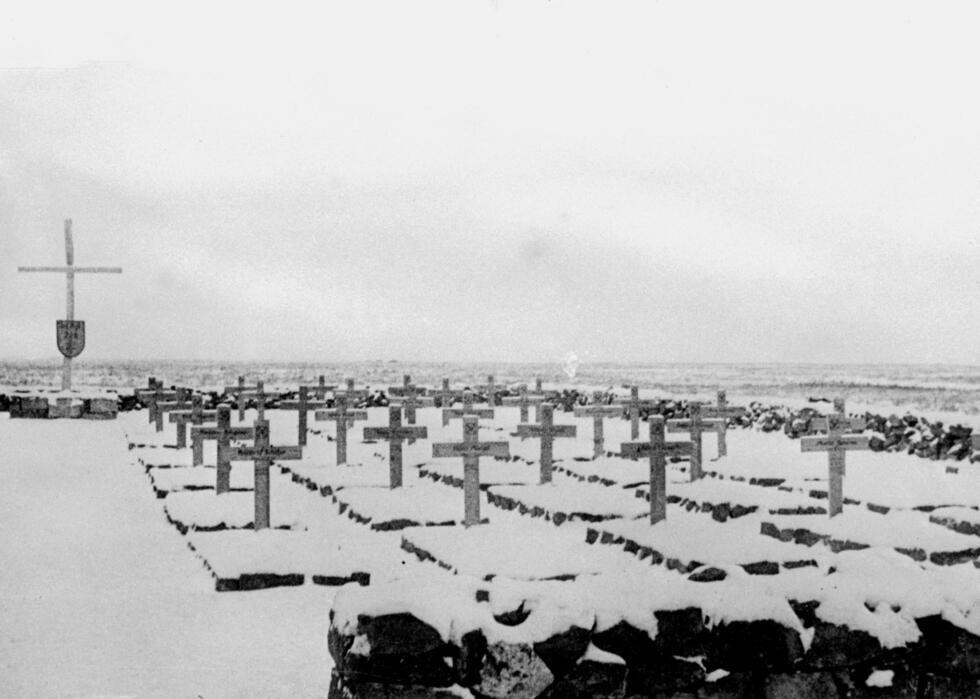
The mortality rate was apocalyptic. Historical estimates indicate between 60 and 70 percent of the Stalingrad captives perished, most within the first year. This staggering death toll, often misconstrued as evidence of execution, was instead the result of catastrophic systemic failure amid the ruins of total war.
A small number of Germans faced formal execution after military tribunals for specific war crimes, but these judicial proceedings involved a tiny fraction of the total captured. Senior officers, including Paulus, were kept separately, interrogated, and often used in propaganda efforts, with many surviving to return to Germany in the 1950s.
The saga of the Stalingrad prisoners underscores a brutal truth of the Eastern Front. Survival depended not just on escaping bullets, but on logistics, climate, and administrative capacity. For tens of thousands, surrender exchanged the hell of combat for a prolonged, grinding struggle against hunger and cold.
This historical clarification moves the narrative beyond sensational myth. It reveals that immense suffering can arise not only from orders to kill but from catastrophic collapse, neglect, and the overwhelming pressures of a war that consumed millions. The roads from Stalingrad, and the camps beyond, became silent graveyards, marking one of the darkest human chapters of the conflict.
