The inner circle of the Third Reich has long been scrutinized, but the final testimonies of the women who shared their lives and luxuries have emerged as a chilling postscript to history. Decades after the fall of the Nazi regime, the wives of its most powerful men broke their silence, offering glimpses into a world of willful ignorance, fanatical loyalty, and unrepentant defense.
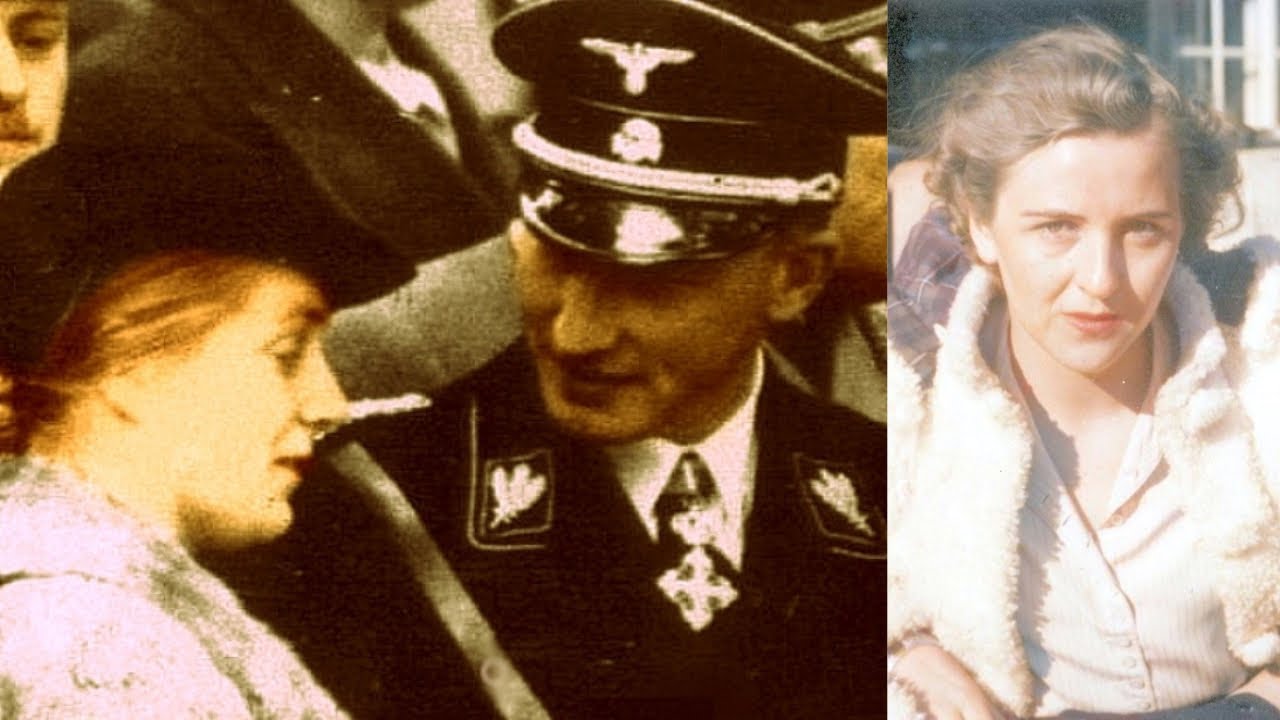 Eva Braun, who became Eva Hitler in a macabre bunker ceremony just hours before their deaths, left behind contradictory final messages. In a farewell note to a friend dated April 22, 1945, she wrote, “We are fighting here until the last, but I’m afraid the end is threatening closer and closer… I’m dying how I lived. It’s not difficult for me.” Yet, according to eyewitness accounts, her last spoken words as she prepared to join Hitler in suicide were shockingly mundane. To Hitler’s secretaries, she reportedly said, “Take my fur coat as a memory. I always liked well-dressed women. It is finished. Goodbye.”
Within the same suffocating Berlin bunker, Magda Goebbels transformed from a devoted Nazi wife into a murderer. After poisoning her six children, she penned a final letter to a son from a previous marriage. “The world that comes after the Führer and national socialism is not any longer worth living in,” she wrote. “Therefore, I took the children with me, for they are too good for the life that would follow… We only have one goal left. Loyalty to the Führer even in death.” She and her husband, Joseph Goebbels, then walked into the chancellery garden to die by cyanide.

The wives who survived the war faced a reckoning they often sought to evade. Lina Heydrich, widow of the “Butcher of Prague” Reinhard Heydrich, spent decades portraying her husband as a martyr and scapegoat. In one of her final interviews in the 1970s, she insisted, “He was a person like you and I, a normal person with flaws and advantages.” She categorically denied his central role in the Holocaust, stating, “The final solution had nothing to do with my husband. That was something falsely attributed to him.”

Similarly, Margarete Himmler, wife of SS chief Heinrich Himmler, claimed profound ignorance during post-war interrogations. “I didn’t know anything at all about the camps,” she stated. “There were things going on there that had been hidden from the public eye that I only read in the newspapers.” When pressed on her husband’s view of the war’s end, she replied, “We never spoke at the beginning… but at the end, I didn’t know.” Historical evidence later suggested a deeper complicity, including visits to camps.

These final utterances, ranging from banal to monstrous, paint a collective portrait of denial. They reveal women who, whether through active participation or passive benefit, were inextricably woven into the fabric of the regime. Their last words consistently deflect direct responsibility, instead framing their lives within a distorted narrative of loyalty, love, and supposed normalcy.
The legacy of these women remains a stark reminder of the domestic sphere’s complicity in history’s greatest crimes. Their final interviews and letters provide not exoneration, but a critical lens into the moral compromises and cultivated blindness that enabled tyranny. They lived as privileged beneficiaries of a stolen empire and died, or spoke at life’s end, largely unrepentant for the suffering that funded their world.
